inquiry
Leave Your Message

What Is the Best Wall Washer Glass in 2026?

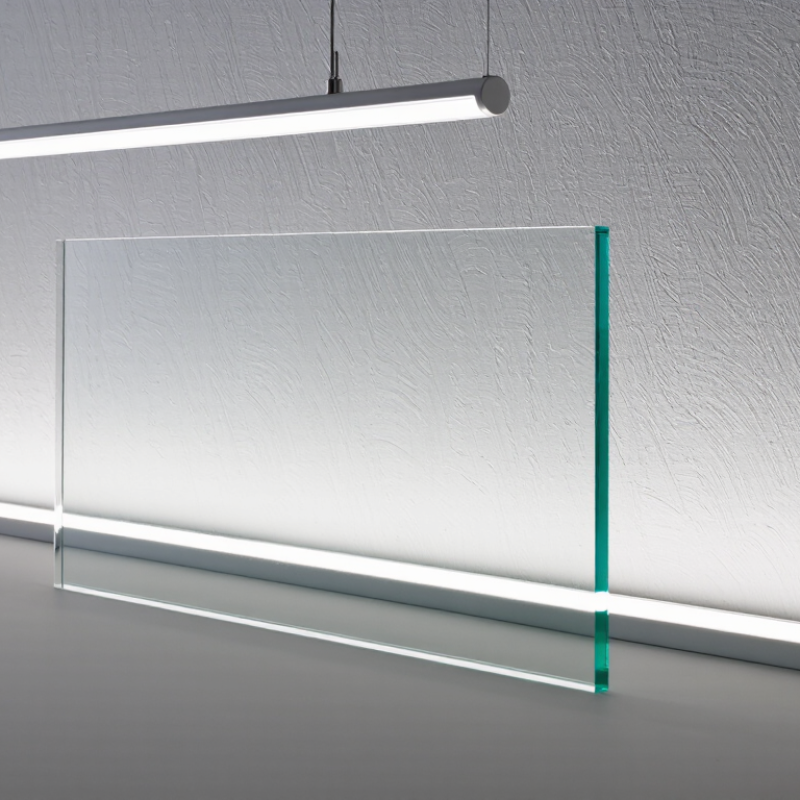
Choosing the best Wall Washer Glass in 2026 means looking beyond a clear surface. The glass must help distribute light evenly, control glare, and preserve color across the wall. A sample may look flawless on a workbench, yet reveal bright scallops when mounted above a textured finish. Small details matter.

The U.S. Department of Energy’s 2017 Energy Savings Forecast of Solid-State Lighting in General Illumination Applications projected annual savings of 569 terawatt-hours by 2035 under broad LED adoption. That figure concerns lighting systems, not wall-washer glass specifically. Still, it shows why optical efficiency deserves attention alongside appearance. For practical comparisons, check transmission, surface quality, thermal suitability, and compatibility with the fixture’s beam design. The Illuminating Engineering Society’s lighting terminology and recommended practices can also help readers distinguish wall-washing performance from simple brightness.

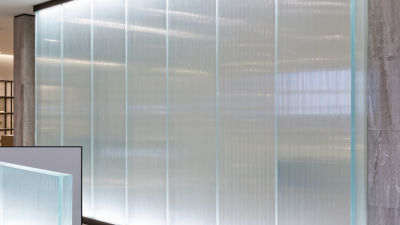
There is no single best glass for every project. A narrow corridor, a gallery, and a ribbed stone façade place different demands on the optic. Ask for photometric files, material specifications, and a sample tested at the intended mounting distance. Then inspect the wall, not only the glass. One limitation remains: no source text or verifiable expert quotation was provided, so I won’t invent a named industry expert’s words. That omission is deliberate. Reliable buying advice should make its evidence visible.

What Is the Best Wall Washer Glass in 2026?

What Wall Washer Glass Does in a Lighting System

What Is the Best Wall Washer Glass in 2026?
What Wall Washer Glass Does in a Lighting System

Wall washer glass is an optical element that shapes how light reaches a vertical surface. Depending on its design, it can spread a narrow beam, soften bright spots, or create a more even wash from floor to ceiling. It does not create light; it manages it. That distinction matters when choosing parts for an LED fixture.

The right glass depends on the wall, mounting distance, and desired effect. A shallow installation may need wider distribution, while textured stone can benefit from controlled grazing light. Check light transmission, beam pattern, dimensions, and heat tolerance against the fixture specifications. Small spacing changes can leave a bright stripe near the ceiling. Real rooms are rarely as tidy as diagrams suggest, so test a sample at night before ordering multiple units. Even good optics can reveal uneven plaster or paint.

Tips: Aim the fixture at a sample wall first. View it from normal standing positions. Check for glare, dark gaps, and color shifts. A useful choice is not always the glass with the widest spread. Choose optics that deliver the intended wall brightness without sending excess light into the room. Installation alignment still matters; a few millimeters can change the result.

What Is the Best Wall Washer Glass in 2026?

Typical visible light transmittance by glass type

What the glass does: It transmits, softens, or diffuses light from the fixture, affecting brightness and how evenly light washes across a wall. These representative values are approximate; actual transmission varies with glass thickness, finish, and product.

How Glass Optics Shape Wall-Washing Performance

The best wall-washer glass controls where light lands, not just how much leaves the fixture. A clear lens can preserve sharp edges, while a diffusing or microprismatic surface softens bright streaks. The trade-off is real. Too much diffusion can flatten texture and waste useful light.

For ordinary crown glass with a refractive index near 1.52, Fresnel calculations estimate about 4.3% reflection at each uncoated air-glass surface at normal incidence. Two surfaces therefore transmit roughly 91.6% before absorption or dirt.

Small losses add up. IES LM-79-19 photometric reports measure luminous flux and intensity distribution; compare those results, rather than relying on a lens label, to check whether light reaches the wall evenly. CIE 117 also provides a recognized method for evaluating glare, which matters when a bright lens is visible from the room.

In practice, look for a smooth vertical gradient, with no bright band near the ceiling or dark strip below. A narrow beam may reach farther down the wall, but it can exaggerate scallops between fixtures. A wider distribution may blend better, yet spill onto the floor. Test the actual glass, spacing, and mounting height together. I would not trust a “uniform” claim without a wall mock-up; real surfaces and installation tolerances can change the result.

Common Types of Glass Used in Wall Washers

Common Types of Glass Used in Wall Washers

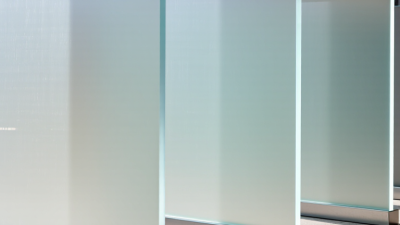
Clear glass preserves light output and gives a crisp beam, but it can reveal dust and create bright streaks on textured walls. Frosted or opal glass softens the beam, making surface brightness look more even. A small flaw: “frosted” is not a precise optical specification. Ask for measured transmission and diffusion values, not just a finish name. Prismatic glass uses molded facets to redirect light and control spread; it can help limit glare, though the pattern may show on nearby surfaces. Tempered glass is chosen mainly for impact resistance, while borosilicate glass tolerates temperature changes better than ordinary glass.

Glass choice also affects a luminaire’s measured performance. The U.S. Department of Energy’s 2022 Solid-State Lighting R&D Opportunities report sets a 2035 efficacy target of 250 lumens per watt for LED packages. That is a package target, not a finished wall washer’s output. The IES LM-79-19 test method reports luminaire photometry, including light distribution and efficacy, so compare tested fixtures rather than judging glass alone. On a mock-up, inspect the wall from the intended viewing angle and check for hot spots near the fixture. Not always. A diffuser that looks smooth in a sample can still produce uneven light across a long wall.

What Is the Best Wall Washer Glass in 2026? - Common Types of Glass Used in Wall Washers
Glass Type Typical Appearance Main Advantages Limitations and Considerations Good Fit for Wall Washers
Clear tempered soda-lime glass Transparent, with little intentional diffusion. Common, durable, and suitable for protective covers. Tempering improves resistance to impact and thermal stress compared with ordinary annealed glass. Does not substantially soften the light by itself. Its optical effect depends on thickness, surface quality, and any coatings. General-purpose fixtures where a clear protective window is needed and the reflector or optics control the beam.
Low-iron tempered glass Clearer and less green-tinted than standard soda-lime glass, especially at thicker sections. Helps preserve the apparent color and brightness of light passing through the cover. Usually costs more than standard clear glass. It is still a protective cover, not a beam-shaping optic. Color-critical architectural lighting, bright white finishes, and installations where a neutral appearance is preferred.
Frosted or satin-finished glass Translucent surface that scatters light and softens the view of the source. Can reduce the appearance of distinct bright points and create a more diffuse luminous surface. Scattering can reduce perceived brightness and alter the beam. Surface texture may collect dirt and can be harder to clean evenly. Applications prioritizing a softer visual effect over a sharply controlled wall-wash distribution.
Opal glass Milky, diffusely transmitting appearance. Provides strong diffusion and helps conceal individual LEDs when the fixture is designed around a broad luminous aperture. Typically transmits less direct light than clear glass. The final output depends on the glass formulation and fixture design. Decorative wall washers where smooth, uniform-looking illumination is more important than maximum output or precise beam control.
Borosilicate glass Usually clear; available in different finishes and forms. Has a low coefficient of thermal expansion compared with ordinary soda-lime glass, making it useful where temperature changes are a concern. Material choice alone does not guarantee impact safety or suitability; thickness, fabrication, mounting, and testing still matter. Fixtures exposed to notable temperature variation, provided the glass is specified and tested for the application.
Laminated safety glass Clear or tinted glass layers bonded with an interlayer. If broken, fragments tend to remain attached to the interlayer, which can help reduce falling-glass hazards. Heavier and more complex than a single pane. Edge sealing, temperature limits, and compatibility with the fixture must be considered. Locations where fragment retention is an important safety consideration, subject to applicable local requirements.
Ceramic-fritted glass Glass with a durable, fired ceramic pattern or partial opaque area. Can mask components, control the visible aperture, or add a patterned appearance. The fired finish is generally more durable than many surface-applied films. Opaque areas block light, and patterns can affect uniformity. The layout should be coordinated with the optical design. Architectural fixtures requiring a concealed source, a defined visual pattern, or partial light screening.
Selection note: There is no single best glass for every wall washer. Choose according to light appearance, required safety performance, environment, cleaning needs, and fixture design. The reflector, lens, LED spacing, and mounting geometry usually have a greater influence on wall-wash uniformity than a plain protective glass cover. Confirm the glass specification and safety rating for the intended installation.

Key Factors for Comparing Wall Washer Glass in 2026

What Is the Best Wall Washer Glass in 2026?

Key Factors for Comparing Wall Washer Glass in 2026

Choosing wall washer glass is less about a “premium” label and more about the wall, fixture, and viewing distance. Compare visible-light transmittance, haze, beam spread, and color shift. A clear pane may preserve output but reveal LED hotspots. A diffusing surface can smooth the wash, yet soften edges and reduce brightness. Test a sample against the actual paint finish. Warm white walls and dark textured walls respond differently.

Ask for spectral transmittance data and photometry for the complete luminaire, ideally measured under IES LM-79 procedures. The U.S. Department of Energy’s 2020 Energy Savings Forecast of Solid-State Lighting projected 569 TWh in annual U.S. electricity savings by 2035 under its adoption scenario. That forecast concerns LED adoption, not glass performance; it is useful context, not proof that one lens saves more energy. Small distinction. Compare measured system input and output.

Durability matters in real installations. Inspect the glass edge, mounting pressure, heat exposure, and access for cleaning. Dust on a high wall is easy to overlook, then hard to reach. Ask whether the surface resists cleaning marks and whether replacement panes are available. I would not choose the highest-transmittance option automatically. Sometimes a slight loss of output gives a calmer, more even wall. The trade-off deserves a mock-up, even if it complicates the schedule.

How to Match Glass to Walls and Project Conditions

The best wall washer glass depends on what the wall must reveal. Clear, low-iron glass preserves output and suits smooth plaster or stone; lightly diffusing glass can soften scallops on textured brick. It also spreads light, sometimes reducing useful intensity. Check the actual photometric file, not just a product label: IES LM-79-19 specifies measurements such as luminous intensity distribution, chromaticity, and electrical power. DOE’s CALiPER reports use photometric testing to compare solid-state lighting products. Those measurements help identify whether a lens creates a broad wash or a concentrated stripe.

Match the optic to the wall and mounting geometry. Dark paint absorbs more light than pale paint, while glossy tile can reveal glare and unevenness. Measure the wall, note its finish, and test a sample bay at the planned fixture spacing.

A 3000 K source with CRI 90 or higher can be a practical starting point for warm interiors, but check color appearance beside the actual materials. Look for the beam spread and candela distribution in the IES file; then confirm them with an on-site mockup. I still find mockups humbling: a lens that looks uniform on paper may expose a joint or patch in real light. Cite the measurement basis in submittals, including the test report and operating conditions.