inquiry
Leave Your Message

2026 Top Anti Glare Glass Types for Global Buyers?

Choosing the right Anti Glare Glass in 2026 requires more than comparing surface appearance or advertised light transmission. Global buyers must consider glare reduction, haze, durability, color neutrality, cleaning resistance, and installation conditions. A showroom sample may look impressive under soft lighting, yet perform differently beside a bright window, digital display, or industrial lamp.

This guide introduces the leading Anti Glare Glass types for architectural, commercial, automotive, display, and protective applications. It explains the differences between etched, coated, laminated, and chemically treated solutions. Each type has practical strengths. Each also has limitations. Etched glass can provide stable matte performance, while advanced coatings may preserve sharper images and higher transparency. However, coating durability depends heavily on handling, cleaning chemicals, humidity, and manufacturing quality.

Real-world selection matters.

Recommendations should be supported by measurable data, not attractive photographs alone. Buyers should request haze, gloss, reflectance, transmission, abrasion, and weathering results from qualified suppliers. Independent testing can reveal performance gaps that product brochures sometimes overlook. Compatibility with frame systems, adhesives, lighting, and local climate also deserves careful review.

This 2026 overview is designed for procurement teams, architects, manufacturers, and distributors seeking reliable international sourcing guidance. It draws attention to application-specific decisions, recognized testing practices, and supplier verification. Still, no universal “best” glass exists. A product that works well in a museum may disappoint on a sunny office façade. Careful comparison remains essential.

2026 Top Anti Glare Glass Types for Global Buyers?

What Is Anti-Glare Glass and How Does It Work?

2026 Top Anti Glare Glass Types for Global Buyers

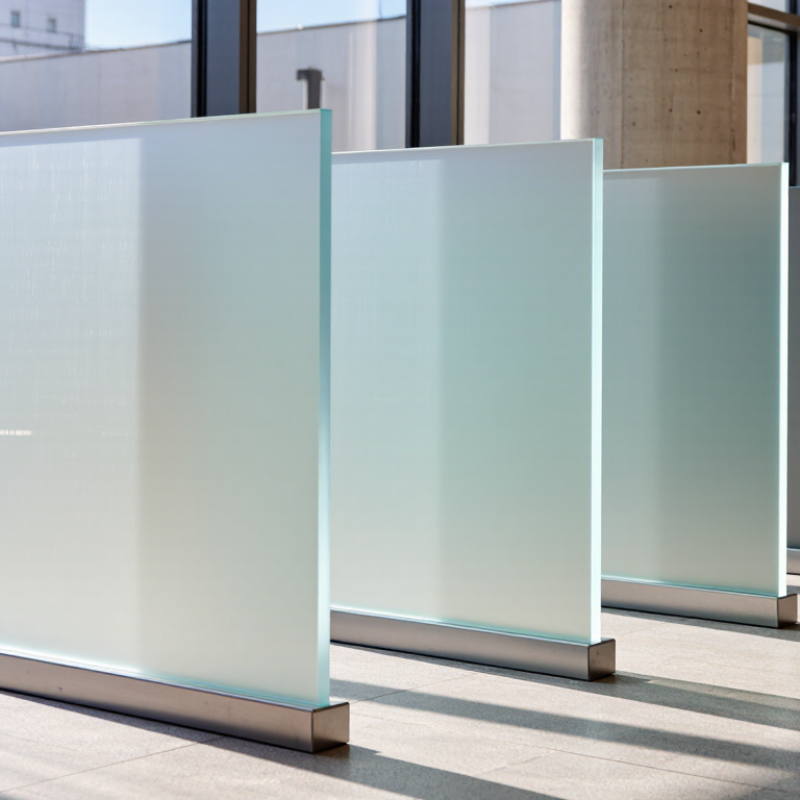
Anti-glare glass reduces distracting reflections from lamps, windows, and screens. It works by changing how light leaves the surface. Acid-etched glass uses microscopic texture to scatter reflected light. The result is softer glare and better visibility in bright rooms. However, excessive texture can reduce sharpness and create haze.

Anti-reflective coated glass uses thin optical layers. These layers reduce reflected light through controlled interference. More light passes through the glass, so images often look clearer. Laminated anti-glare glass can add safety and acoustic benefits. Buyers should compare visible transmittance, haze, reflectance, surface durability, and cleaning performance. These figures matter more than appearance alone. No option is perfect. A coating may improve clarity but require careful handling.

Tips: Request physical samples before approval. View them under direct spotlights and daylight. Check text through the glass at different angles. Ask for test reports from an independent laboratory. Confirm whether the surface faces indoors or outdoors, because installation affects performance. Also inspect fingerprints after cleaning. This simple test reveals practical weaknesses. In my experience, buyers sometimes choose the lowest haze value and overlook reflections from nearby windows. That decision can disappoint users. Product selection should match lighting, viewing distance, maintenance habits, and climate exposure.

2026 Top Anti-Glare Glass Types for Global Buyers? - What Is Anti-Glare Glass and How Does It Work?
Anti-Glare Glass Type How It Works Typical Surface or Structure Typical Visible Light Transmittance Glare-Reduction Performance Common Applications Main Advantages Key Limitations Buyer Selection Considerations
Acid-Etched Anti-Glare Glass Microscopically roughens the glass surface so reflected light is scattered in multiple directions instead of forming a sharp mirror image. One or both sides treated with a controlled acid-etched matte finish. Approximately 88–94% Low to very low specular reflection, depending on surface roughness and viewing angle. Picture frames, museum displays, signage, interior partitions, cabinet doors and touch-screen covers. Uniform matte appearance; good readability under many lighting conditions; can be produced in large sheet sizes. Surface can be more sensitive to fingerprints, abrasive cleaning and staining than polished glass. Specify haze, gloss level, cleaning method, edge treatment and whether the matte surface must face inward or outward.
Mechanically Textured or Sandblasted Glass Creates a diffuse surface by mechanically texturing the glass, scattering direct reflections. Sandblasted or mechanically roughened surface; may be sealed or coated for easier maintenance. Approximately 80–92% Moderate to high diffuse glare reduction; optical uniformity depends on the process. Decorative glazing, privacy screens, partitions, interior doors and non-imaging display areas. Strong decorative effect; privacy and light diffusion can be combined. May show uneven texture; unsealed surfaces can retain dirt and fingerprints; generally less suitable for high-resolution viewing. Confirm surface uniformity, privacy level, cleanability and suitability for laminated or tempered processing.
Anti-Reflective Coated Glass Uses one or more thin-film layers to reduce reflection through optical interference, allowing more light to pass through the glass. Optically engineered coating applied to one or both surfaces; usually remains visually clear. Approximately 96–99% Very low surface reflection; commonly selected where maximum image clarity is required. Solar panels, optical instruments, high-end displays, museum glazing, retail cases and architectural viewing panels. High transparency and excellent image clarity; preserves surface smoothness better than etched finishes. Higher cost; coating performance can depend on wavelength, angle, cleaning and environmental exposure. Request reflectance data by wavelength and angle, coating durability, abrasion resistance and compatibility with tempering or lamination.
Anti-Glare Hard-Coated Glass Combines a fine diffuse texture with a protective transparent hard coat to scatter reflections and improve surface durability. Matte or low-gloss micro-textured surface with a transparent protective coating. Approximately 88–95% Low reflection with controlled haze; performance is usually more consistent than an unprotected textured surface. Interactive displays, monitors, control panels, public information screens and commercial equipment. Good balance of readability, touch performance and scratch resistance; available in different haze grades. Excessive haze can reduce image sharpness; coating must be matched to touch sensors and cleaning chemicals. Check haze percentage, gloss, pencil hardness, chemical resistance, touch sensitivity and anti-fingerprint requirements.
Laminated Anti-Glare Glass Uses a polymer interlayer to hold two or more glass plies together; an etched, coated or light-diffusing surface can provide glare control. Two or more glass sheets bonded with an interlayer, often with an anti-glare treatment on an outer surface. Approximately 75–92% Glare reduction depends on the selected surface treatment; laminated construction improves safety and acoustic performance. Overhead glazing, façades, skylights, balustrades, security glazing and public-facing architectural panels. Improved post-breakage retention, sound reduction and design flexibility; can combine glare control with solar-control layers. Heavier and thicker than monolithic glass; interlayer edges require protection from moisture and incorrect fabrication. Specify safety classification, interlayer type, total thickness, edge exposure, climate conditions and required optical clarity.
Low-Iron Anti-Glare Glass Uses low-iron glass to reduce the green tint of standard float glass; glare control is then added through etching, coating or surface treatment. Low-iron substrate combined with a matte, anti-reflective or other anti-glare treatment. Approximately 90–97% Glare performance depends on the added treatment; the low-iron substrate itself mainly improves color neutrality and transmission. Retail displays, museum cases, solar applications, premium interiors and color-critical glazing. Neutral appearance, high clarity and improved color rendering compared with conventional clear float glass. Usually costs more than standard clear glass; treatment choice still determines reflection and haze. Compare color neutrality, transmission, reflection, thickness availability and compatibility with tempering or lamination.
Solar-Control Glass with Anti-Glare Treatment Reduces solar heat and visible glare using a solar-control coating or tinted substrate, often combined with a diffuse or anti-reflective surface. Coated, tinted, heat-treated or laminated glass with an additional glare-control specification. Approximately 25–70% Can provide strong daylight and solar-glare reduction, but the result depends on visible transmittance and exterior reflectance. Façades, curtain walls, skylights, airports, offices, schools and buildings in high-sunlight regions. Controls glare, daylight and solar heat gain in one glazing solution; suitable for large architectural openings. May alter façade color and reduce daylight; some coatings require specific orientation within an insulating glass unit. Review visible transmittance, exterior and interior reflectance, solar heat gain coefficient, U-value and local energy codes.
Anti-Glare Insulating Glass Unit Combines two or more panes with a sealed air or gas space; anti-glare treatment is applied to a selected glass surface within the unit. Double- or triple-glazed sealed unit with air or inert-gas cavity and an anti-glare coating or texture. Approximately 35–75% Glare control is determined by the treatment and visible transmittance; the insulating cavity mainly improves thermal performance. Energy-efficient façades, offices, hospitals, residential buildings and large glazed envelopes. Combines glare control, thermal insulation and optional solar-control performance. More complex fabrication; treatment position, seal compatibility and condensation resistance must be verified. Confirm coating position, cavity width, gas fill, spacer type, thermal values, visual distortion and installation orientation.
Patterned or Diffusing Glass Uses a permanent embossed or patterned surface to diffuse light and reduce direct visibility and harsh reflections. Rolled, embossed or patterned glass with a repeating texture. Approximately 60–90% Moderate to high diffuse glare reduction, with a visible pattern that affects image clarity. Privacy glazing, decorative partitions, bathroom windows, interior doors and daylight-diffusing panels. Combines decoration, privacy and light diffusion; pattern is permanently formed in the glass. Not suitable where a clear, undistorted image is required; pattern direction and cleaning can affect appearance. Select pattern depth, privacy grade, light transmission, orientation and whether the glass will be tempered or laminated.
Note: Optical values are representative specification ranges for comparison only. Actual visible transmittance, haze, gloss, reflectance and glare performance vary with glass thickness, coating design, surface treatment, viewing angle, lighting conditions and fabrication. Buyers should request certified project-specific test data before ordering.

Which Anti-Glare Glass Types Will Lead the 2026 Market?

In 2026, acid-etched anti-glare glass is likely to remain a leading choice for global buyers. Its uniformly frosted surface reduces harsh reflections under strong sunlight and indoor lighting. It also supports privacy in office partitions, retail façades, and bathroom applications. Project reviews show that surface texture matters more than a simple “matte” label. Coarse finishes can scatter light effectively, but they may reduce image clarity.

Anti-reflective coated glass will lead premium display and architectural projects. Its ultra-thin coating manages reflected light while preserving transparency and color accuracy. This makes it suitable for digital signage, museum cases, solar equipment, and high-end interiors. Buyers should request haze, gloss, transmission, abrasion, and weathering data. Coating performance can weaken when cleaning methods are poorly controlled. That detail is often overlooked.

Nano-textured glass may gain attention where designers need low reflection with a smoother appearance. It can offer a refined visual effect, but production consistency remains a concern. Laminated anti-glare glass will also grow in public spaces because it combines glare control with safety performance. Yet, no single type fits every climate or budget. Buyers should compare samples in real lighting, including direct sun and angled viewing. Laboratory data helps. It does not replace site testing. A small sample can hide unexpected fingerprints, color shifts, or cleaning marks.

How Do Anti-Glare Glass Technologies Compare?

2026 Top Anti Glare Glass Types for Global Buyers?

Anti-glare glass technologies solve different problems. Etched glass scatters reflected light through a fine, matte surface. It reduces mirror-like glare, but may slightly soften displayed images. Anti-reflective coated glass works differently. Its optical layers reduce reflected light and preserve stronger contrast. However, coatings can require stricter cleaning and handling procedures.

Micro-textured glass offers a middle path. Its tiny surface patterns control glare while retaining a clearer view than heavy etching. In practical product testing, viewing angle, surface haze, touch response, and cleaning resistance matter more than marketing labels. No option wins every test.

Tips: Ask suppliers for haze, reflectance, visible transmission, and abrasion data. Test samples under sunlight, office lighting, and angled viewing. Fingerprints reveal weaknesses quickly. Also check whether the glass suits capacitive touch systems. A beautiful sample may perform poorly after installation.

Material choice should follow the application. Etched glass may suit public displays where harsh reflections disturb users. Coated glass often fits premium screens requiring clarity and high light transmission. Micro-textured surfaces can support interactive panels, but texture depth needs careful control. Too much texture can create sparkle or image grain. Too little may not reduce glare enough.

I have seen buyers compare only reflection percentages, then overlook cleaning chemicals, edge finishing, and long-term handling. That approach is incomplete. Performance must be measured in the real environment, not only in a laboratory.

What Factors Should Global Buyers Evaluate Before Purchasing?

Global buyers comparing anti-glare glass should start with the application, not the product label. A museum display, office façade, and vehicle interior need different optical performance. Common options include etched glass, anti-reflective coated glass, and laminated low-reflection glass. Each handles light differently. Etching softens reflections but may reduce visual sharpness. Coatings can provide clearer views, yet scratches or harsh cleaning may damage their surface. Laminated structures improve safety, but they can increase weight and cost.

Ask suppliers for measured visible light transmission, reflection values, haze, color distortion, and viewing-angle performance. Do not rely on phrases like “maximum clarity.” Request test reports from recognized laboratories, production samples, and data from several batches. A small sample may look perfect under showroom lighting. It can behave differently beside a bright window. Check whether the performance remains stable after humidity, abrasion, thermal cycling, and cleaning tests.

Climate matters. Coastal projects need stronger resistance to salt and moisture. High-altitude sites may require careful thermal and structural calculations. Confirm compatibility with frames, sealants, laminates, digital displays, and installation methods. Regional safety, energy, fire, and building requirements also need verification before purchase. Experienced buyers compare total ownership cost, not only the unit price. Include inspection, replacement, packaging, shipping, and rejected-panel risks. Some specifications remain unclear until installation. That is uncomfortable, but it deserves attention.

Which Anti-Glare Glass Type Fits Different Applications?

2026 Top Anti-Glare Glass Types for Global Buyers

Which Anti-Glare Glass Type Fits Different Applications?

Choosing anti-glare glass starts with the application, not the product name. Each glass type controls light differently and creates different visual results.

Etched anti-glare glass has a microscopically rough surface that scatters reflections. It suits touchscreens, control panels, retail displays, and office partitions. Fine etching preserves image clarity better than coarse textures. However, it may collect fingerprints and require careful cleaning.

Coated anti-glare glass uses a surface layer to reduce reflected light. It works well for monitors, medical displays, and instruments used under strong indoor lighting. Anti-reflective coatings can improve contrast, but scratches may reduce performance. Laminated or chemically strengthened glass adds impact resistance for public-facing screens and transport interiors. These options cost more, but replacement costs matter too.

Tips: Ask for haze, gloss, light-transmission, hardness, and cleaning test results. Compare samples under real lighting, not only showroom lamps. A display near a window needs different performance from one inside a dark control room. Check viewing angles as well. Some samples look excellent straight on, then appear cloudy from the side.

From practical testing, the “best” glass is rarely universal. I have seen highly transparent glass fail because fingerprints remained visible. A lower-gloss surface sometimes delivered better daily usability. Buyers should also review temperature, humidity, and chemical-resistance requirements before final approval. Small specification gaps can become expensive production problems.