What is Electrochromic Glass and How Does It Work?
Electrochromic Glass represents a revolutionary technology in modern architecture and design. This innovative material allows windows to change their tint in response to electrical currents. As a result, building owners can control light, heat, and privacy levels with ease.
The core mechanism of Electrochromic Glass relies on electrochromic materials that react to electric voltage. These materials undergo a chemical change, altering their color. This adaptation can significantly enhance energy efficiency by reducing the need for artificial lighting and air conditioning. Imagine sitting in a sunlit room, then at the touch of a button, transforming it into a calm, shaded retreat.
Despite its advantages, Electrochromic Glass is not without challenges. The initial cost can be high, and installation requires expertise. Maintenance and long-term performance are areas for further exploration. Yet, the potential benefits of this technology in sustainability and comfort make it a valuable consideration for future developments.
What is Electrochromic Glass?
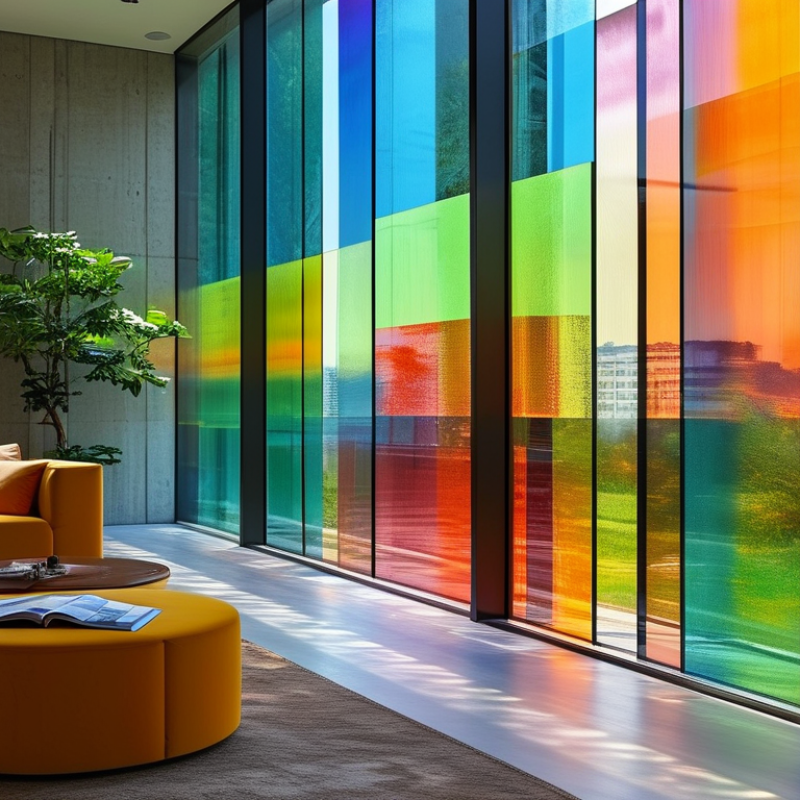
Electrochromic glass, often called smart glass, is a remarkable innovation in building materials. It changes its color or opacity when an electrical charge is applied. This technology allows for better control over light and heat entering a space, directly impacting energy efficiency. According to a report by Research and Markets, the global electrochromic glass market is estimated to reach $6.9 billion by 2024, driven by increasing demand in architectural applications.
This type of glass functions through layers of materials that respond to voltage changes. When electricity flows, ions move within the layers, altering the glass's transparency. This process is reversible, meaning it can switch between clear and tinted states as needed. The average energy savings from using electrochromic windows can be around 30%, making them an attractive option for eco-conscious builders and planners.
However, there are challenges to consider. Installation can be complex and costly. Additionally, while electrochromic glass reduces glare and improves comfort, it may not eliminate the need for traditional HVAC systems. Continuous research is crucial to enhance its performance and affordability for wider adoption. Balancing these factors remains a pivotal focus in advancing the technology further.
The Components of Electrochromic Glass Technology
Electrochromic glass technology offers a remarkable solution for managing light and heat in both residential and commercial spaces. This glass consists of several key components. The most significant are the electrochromic layer, which changes color in response to electrical input, and the ion conductor that aids in this transition. A typical electrochromic device includes multiple layers, such as a conductive oxide layer and a transparent protective cover. According to a report by MarketsandMarkets, the electrochromic glass market is expected to reach $4.56 billion by 2025, indicating a growing interest in energy-efficient building solutions.
The operational efficiency of electrochromic glass relies heavily on the quality of its components. The electrochromic layer, often made from materials like tungsten oxide, determines the speed and effectiveness of color change. Similarly, the choice of ion conductors impacts the energy consumption of the system. A flawed design can lead to slower response times or diminished durability. Researchers have noted that consistent innovation is required to address these shortcomings, emphasizing the need for ongoing development in this sector.
As this technology evolves, understanding its limitations is crucial. Factors like environmental conditions and material fatigue can hinder performance. Some studies show that temperature fluctuations may impact the lifespan of these devices. Comprehensive testing and refinement are essential for long-term reliability.
Electrochromic Glass Technology Overview
How Electrochromic Glass Functions Mechanically and Electrically
Electrochromic glass, a fascinating innovation, alters its transparency based on electrical signals. This technology operates by using a thin layer of electrochromic material sandwiched between two conductive coatings. When voltage is applied, ions move through the electrochromic layer, causing a change in color and opacity. This mechanism allows the glass to shift from clear to tinted and vice versa, depending on user preference or environmental conditions.
Mechanically, electrochromic glass consists of multiple layers. These include the electrochromic material, ion conductor, and electrodes. The entire structure is meticulously designed to ensure durability and efficiency. The electrical aspect is equally crucial; precise voltage control is required for optimal performance. Notably, while the technology shows promise, challenges remain. Users may experience inconsistencies with tinting speeds or uniformity across larger panes. Therefore, ongoing advancements are necessary to enhance reliability and functionality. As we explore this innovative field, reflection on these imperfections sparks dialogue on future developments.
What is Electrochromic Glass and How Does It Work?
| Dimension |
Description |
| Material Type |
Typically composed of transition metal oxides |
| Functionality |
Changes color and transparency in response to an electric current |
| Power Source |
Requires low-voltage direct current (DC) for operation |
| Applications |
Used in windows, skylights, and displays for energy efficiency |
| Benefits |
Reduces glare, increases privacy, and improves energy savings |
| Drawbacks |
Higher initial cost compared to standard glass |
| Mechanism |
Electrochromic materials undergo redox reactions altering their oxidation state |
Applications of Electrochromic Glass in Modern Architecture
Electrochromic glass is transforming modern architecture by providing energy-efficient solutions. This technology enables glass to change its tint in response to electrical signals. It adjusts transparency, reducing glare and heat while controlling light entry. The ability to transition from transparent to opaque enhances privacy without sacrificing natural light.
Research indicates that electrochromic glass can lower energy costs by up to 30% in commercial buildings. This is crucial in urban areas where energy consumption is rising. Notably, integrating this glass into designs can lead to improved comfort for occupants while maintaining aesthetic appeal. Spaces equipped with this glass promote a balance between visibility and thermal regulation.
However, the technology is not without challenges. Initial costs can be high, which might deter some developers. Additionally, the long-term durability of electrochromic glass under varying climate conditions remains a concern. Testing reveals that sustained use in extreme temperatures may affect performance. These factors necessitate further exploration and innovation within the industry.
Advantages and Limitations of Using Electrochromic Glass
Electrochromic glass offers several advantages, particularly in energy efficiency. It can reduce heating and cooling demands by 30% in buildings, according to recent studies by the Department of Energy. This adaptive technology adjusts its tint based on light exposure, enhancing comfort. Natural light can minimize reliance on artificial lighting, which is beneficial in energy consumption.
However, there are limitations to consider. The initial installation cost can be substantial, ranging from $50 to $100 per square foot. This might deter widespread adoption, especially in residential sectors. Additionally, electrochromic glass requires an electrical connection, which complicates installations in existing structures. The technology's long-term reliability remains a topic of research. Regular maintenance is still necessary to ensure optimal performance.
While the environmental benefits are promising, the economics need careful evaluation. Balancing upfront investment against energy savings is crucial. Integration into modern architecture is essential, yet the effectiveness might vary with climate and location. The technology has potential, but further advancements and cost reductions are needed for more widespread use.


 Phone
Phone Send Email
 whatsapp
 Facebook