China Best Tempered Glass Panels for Global Buyers How to Choose?
As the demand for high-quality Tempered Glass Panels continues to rise globally, buyers face a critical decision-making process. According to a recent report by Market Research Future, the global tempered glass market is projected to grow at a CAGR of 6.5% over the next five years, reflecting the increasing application across various industries, including architecture and automotive. Choosing the right panels requires not only an understanding of material properties but also the capabilities of suppliers.
Industry expert Dr. Angela Liu emphasizes, "Selecting tempered glass is about balancing strength with aesthetic appeal." This statement highlights the essential considerations buyers must evaluate, from thermal resistance to clarity. However, the plethora of options can be overwhelming. Variations in thickness, treatment processes, and suppliers' reputations can significantly impact the final product's performance and safety.
Moreover, it is important to reflect on the environmental implications of glass production. Some buyers may prioritize sustainable sourcing, while others focus on cost-efficiency. Each choice affects not only project outcomes but also brand reputation in a competitive market. Understanding these nuances can empower buyers to make informed decisions that align with their values and project requirements.
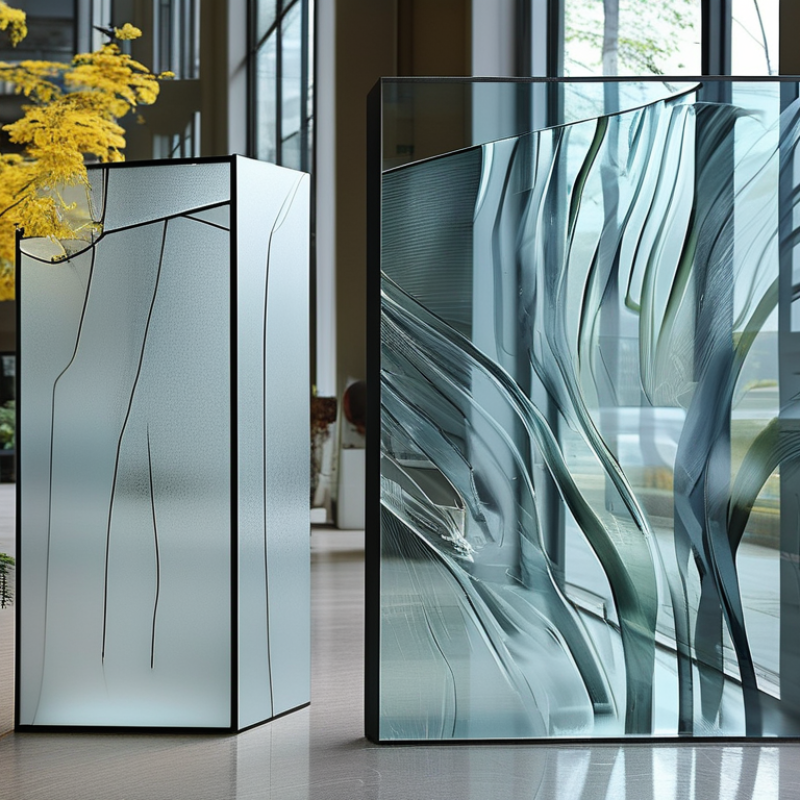
Understanding Tempered Glass: An Overview of Its Benefits and Applications
Tempered glass is increasingly popular due to its strength and safety. It undergoes a special heating and cooling process, making it five times stronger than regular glass. This attribute makes it ideal for various applications, from architecture to automotive industries. Industry reports indicate a growing demand in construction, expected to reach $70 billion globally by 2025.
The benefits of tempered glass extend beyond strength. Its resistance to thermal shock allows it to withstand sudden temperature changes. Under certain conditions, it shatters into small pieces, reducing the risk of injury. This characteristic is highly valuable in high-traffic areas, such as storefronts and glass facades. Despite its advantages, some challenges exist. Creating tempered glass requires precise control in manufacturing, making it susceptible to defects without proper quality checks.
Here are some tips for selecting the best tempered glass: ensure it complies with local safety standards. Look for certifications that guarantee its structural integrity. Understand the specific application you need it for, as different purposes may require varying thicknesses. Consider the installation environment. Proper installation is crucial for the glass to exhibit its full range of benefits.
Key Factors to Consider When Selecting Tempered Glass Panels
When selecting tempered glass panels, buyers must consider several key factors. Safety is paramount. Tempered glass is treated to withstand high temperatures and impact. It’s crucial to know its thickness. A standard recommendation is at least 6 mm for most applications. Reports show that thicker panels offer better safety performance in high-stress environments.
Another vital aspect is clarity. High-quality tempered glass should have minimal distortion. As per industry studies, clarity impacts the overall aesthetics of installations. Buyers often overlook the importance of certification. Ensure that the panels meet international standards such as ASTM or EN. Certified products offer assurance regarding safety and durability.
Buyers should also factor in the supplier's expertise. A supplier with a solid track record in the industry often provides more reliable products. This expertise can guide buyers in making informed choices. Peer reviews and customer feedback can reflect a supplier's performance. It’s essential to engage in thorough research before any commitment. The decision could significantly affect safety and design in the long run.
Top Chinese Manufacturers of Tempered Glass Panels: A Comparative Analysis
When selecting tempered glass panels from Chinese manufacturers, understanding the market is crucial. China's tempered glass industry is projected to reach a market size of approximately $37 billion by 2025, driven by increased demand in construction and furniture sectors. Key players have varying expertise and focus areas, affecting product quality and customer service.
A comparative analysis of top manufacturers highlights significant differences. Some specialize in glass thickness and safety ratings, while others excel in custom designs. In regions like Southern China, companies often leverage advanced technologies, ensuring better durability. However, quality inconsistencies can arise. It's essential to review certifications, as not all manufacturers adhere equally to international standards.
Furthermore, understanding each manufacturer's supply chain is vital. Some rely on local suppliers, which may affect glass transparency and strength. Others import raw materials to guarantee higher quality. Knowing these factors helps buyers make informed choices. Ultimately, the decision requires careful evaluation of each manufacturer's strengths and weaknesses in the competitive landscape.
Comparison of Tempered Glass Panels by Thickness and Strength
Quality Standards and Certifications for Tempered Glass in Global Markets
When choosing tempered glass panels for global markets, understanding quality standards and certifications is crucial. Tempered glass must meet specific safety requirements to ensure durability and performance. The International Organization for Standardization (ISO) provides standards like ISO 614 for durability testing. This ensures that the glass can withstand thermal stress and mechanical impact, key factors in its application.
Data shows that the global tempered glass market is projected to reach $61.94 billion by 2027. This emphasizes the importance of certifications like EN 12150 for Europe and ANSI Z97.1 for the US. These standards authenticate that the glass has passed rigorous testing. However, not all manufacturers comply consistently. This discrepancy can lead to inferior products entering the market, compromising safety and integrity.
Global buyers should invest time in verifying certifications. Research indicates that around 30% of imported tempered glass fails to meet required standards. Such oversights can lead to product recalls and safety hazards. Being aware of these issues will help in making informed purchasing decisions.
Trends in Tempered Glass Technology: Innovations and Future Directions
Tempered glass technology has rapidly evolved, driven by innovations in material science and engineering. Manufacturers are exploring new compositions and production methods.
These advancements lead to increased durability and safety. For instance, modern tempered glass can withstand greater temperature fluctuations and impacts.
This makes it ideal for various applications, from architecture to automotive.
Another trend is the integration of smart technology. Sensors can be embedded to monitor structural integrity or adjust transparency.
This innovation opens doors for more functional applications. However, this technology is still developing and can be costly.
Potential buyers must weigh the advantages against the investment required.
Sustainability is also a critical consideration. Glass recycling processes are improving, but not all glass is recycled effectively.
The industry faces challenges in minimizing waste while maintaining quality. Innovators are working on eco-friendly coatings that enhance solar performance.
These trends indicate a shift towards more responsible manufacturing practices. Buyers should stay informed about these developments to make better choices.


 Phone
Phone Send Email
 whatsapp
 Facebook