Top 10 Benefits of Using Anti Reflective Glass Today?
The increasing demand for Anti-Reflective Glass is transforming various industries. According to a recent report by MarketsandMarkets, the global demand for anti-reflective coatings is expected to reach $5 billion by 2026, driven by its applications in automotive, electronics, and eyewear sectors. This glass technology minimizes glare, improving visibility and comfort. As such, businesses and consumers prioritize products featuring Anti-Reflective Glass.
In the automotive industry, Anti-Reflective Glass enhances safety by reducing reflections on windshields. This small change can prevent accidents, proving vital for drivers. Similarly, in electronics, screens treated with Anti-Reflective Glass deliver superior image clarity, essential for user experience.
Despite these advances, some challenges remain. Not all Anti-Reflective Glass choices are created equal, and consumers may face confusion regarding quality and pricing. Addressing these complexities is critical for making informed purchasing decisions. Understanding the benefits in detail highlights why Anti-Reflective Glass continues to gain traction. It is more than just technology; it represents a significant innovation in our daily lives.

Benefits of Enhanced Visual Clarity with Anti Reflective Glass
Anti-reflective (AR) glass is revolutionizing how we perceive our surroundings. One of the significant benefits of AR glass is its ability to enhance visual clarity. When light reflects off regular glass, it can obscure details and distort colors. With anti-reflective coatings, more light passes through, offering clearer images and vivid colors. This feature is particularly vital for activities such as reading or working on screens.
Many people underestimate the importance of clear vision. Enhanced clarity can reduce eye strain significantly. Prolonged exposure to glare from regular glass can lead to discomfort and fatigue. The use of AR glass provides a crisp view by minimizing reflection. Users often report feeling more engaged and focused. It's not just about aesthetics; it's about creating an optimal visual environment.
While the benefits are numerous, some drawbacks exist. AR coatings can be more prone to scratches compared to standard glass. They require careful cleaning to maintain their effectiveness. Users must understand these nuances when choosing AR glass solutions. But overall, its contribution to visual clarity cannot be understated. The clarity offered by anti-reflective glass is a game changer in today's visually demanding world.
Reduction of Eye Strain and Fatigue from Glare
Anti-reflective (AR) glass is a game changer for daily tasks. Glare from screens and bright lights can cause significant eye strain and fatigue. By incorporating AR glass, you reduce reflections that can lead to discomfort during prolonged use of digital devices. Many users notice a remarkable difference in visual clarity. Simply removing glare allows for more focus and less eye discomfort.
Working long hours in front of screens can leave your eyes feeling tired. It's not just exhaustion; it can affect productivity and overall well-being. Using AR glass helps to mitigate this issue. The technology works by minimizing reflections, allowing you to work or relax more comfortably. In spaces flooded with light, these glasses perform wonders. They create a soothing environment for your eyes, making reading and viewing more enjoyable.
However, it’s essential to reflect on the limitations of AR glass. While they reduce glare, they are not a cure-all. Some users may still experience eye fatigue depending on other factors. Screen brightness, distance, and even personal eye health play a role. Continually evaluating how your eyes respond to AR glass can lead to better choices for eye care and visual comfort.
Top 10 Benefits of Using Anti Reflective Glass Today
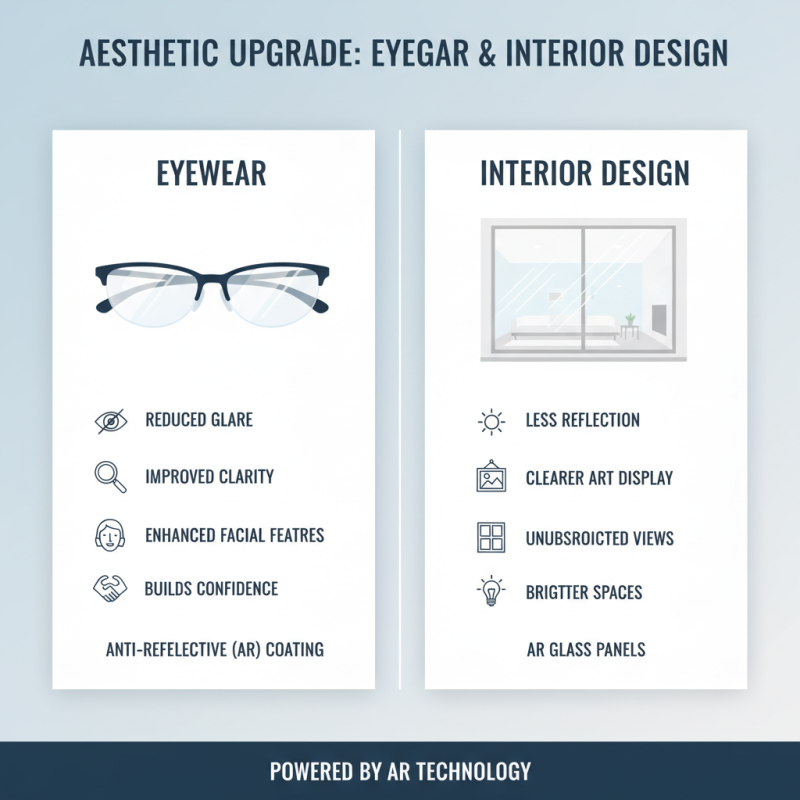
Improvement of Aesthetic Appeal in Eyewear and Interior Design
Anti-reflective (AR) glass has transformed eyewear and interior design by enhancing aesthetic appeal. In eyewear, it reduces glare and improves clarity. This feature makes frames appear more stylish. Wearers appreciate sleek designs that do not distract from their facial features. The glasses reflect less light, allowing the eyes to be seen more clearly. This personal connection fosters a sense of trust and confidence in the wearer.
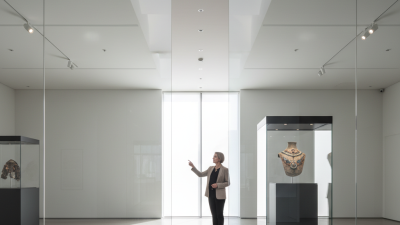
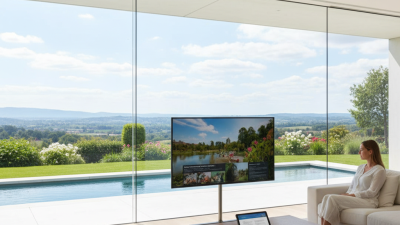
In interior design, AR glass plays a pivotal role. Large windows featuring this technology create vibrant spaces. They maximize natural light while minimizing unwelcome reflections. Homeowners enjoy a serene atmosphere that feels both modern and timeless. It accentuates colors and textures, allowing interior furnishings to shine. However, installing AR glass requires thoughtful planning. Its cost might be a consideration for some. Balancing budget with visual impact is crucial for homeowners aiming for perfection in design.
Increased Durability and Scratch Resistance of Anti Reflective Coatings
Anti-reflective (AR) coatings enhance the durability of glass surfaces. These coatings create a hard layer, making the glass less prone to scratches. Everyday use can lead to minor scratches on unprotected glass. However, with AR coatings, this risk is significantly reduced. The result is a longer-lasting product that maintains its clarity and strength.
In addition to scratch resistance, AR coatings enhance the glass’s overall performance. They minimize glare, improving visibility in various lighting conditions. This feature is particularly beneficial for eyewear. It helps users avoid eye strain when reading or working on screens. While AR coatings offer many advantages, imperfections in the coating process can occur, impacting clarity. Maintenance and proper care are key to preserving the benefits of these coatings.
However, consumers should be aware of their limitations. Over time, even protective coatings may show signs of wear. Regular cleaning and handling are essential for maintaining the glass's appearance and functionality. While AR coatings provide significant benefits, they are not invincible. Understanding care protocols can help mitigate potential issues.
Advantages for Photography and Screen Displays Using Anti Reflective Glass
When it comes to photography and screen displays, anti-reflective glass offers numerous benefits. It significantly reduces glare, making images more vivid and true to life. Photographers appreciate how this glass minimizes distractions, allowing them to capture the perfect shot without unwanted reflections. For screens, this means improved readability in various lighting conditions, providing a clearer viewing experience.
The clarity offered by anti-reflective glass enhances color accuracy in photography. A photographer can confidently edit images, knowing that true colors are represented. However, achieving this clarity may come at a cost; some users report that the coating can smudge easily. It's essential to find the right cleaning solutions to maintain the glass's effectiveness and longevity.
For consumers, everyday tasks become easier with anti-reflective glass in devices. Video calls are clearer, and presentations are more professional. Yet, the reliance on such technology raises questions about durability. Can this specialized glass withstand daily wear and tear? While it improves functionality, it requires careful handling to avoid scratches and damage. Balancing benefits with potential drawbacks leads to a more informed choice for users embracing this innovative glass.
Top 10 Benefits of Using Anti Reflective Glass Today
| Benefit |
Description |
Applicable Areas |
| Reduced Glare |
Minimizes eye strain and enhances visibility in bright conditions. |
Photography, Screen Displays |
| Improved Clarity |
Enhances detail and contrast for a clearer view. |
Cameras, Monitors |
| Scratch Resistance |
Durable surface that withstands daily wear and tear. |
Screen Protectors, Eyewear |
| Enhanced Color Accuracy |
Provides true color representation for photography and displays. |
Digital Displays, Photography |
| UV Protection |
Blocks harmful UV rays to protect eyes and materials. |
Eyewear, Displays |
| Easy Maintenance |
Simplifies cleaning and maintenance due to lower reflectivity. |
Electronics, Lenses |
| Increased Comfort |
Reduces eye fatigue during prolonged use. |
Computers, Tablets |
| Aesthetic Appeal |
Provides a sleeker look to photography and devices. |
Consumer Electronics, Art Displays |
| Cost-effective |
Reduces replacement costs due to durability and longevity. |
Business Environments, Personal Use |
| Versatile Applications |
Can be used across a variety of industries and products. |
Healthcare, Automotive, Home Appliances |


 Phone
Phone Send Email
 whatsapp
 Facebook