Top 10 Benefits of Electrochromic Glass for Modern Architecture?
In modern architecture, the integration of innovative materials is crucial for enhancing functionality and aesthetic appeal. One such material, Electrochromic Glass, is gaining significant attention. This technology allows glass to change its opacity in response to electrical signals. According to a report by Research and Markets, the electrochromic glass market is expected to reach $4.86 billion by 2026, driven by rising energy efficiency demands.
Electrochromic Glass offers numerous advantages for sustainable building design. It can reduce heating and cooling costs by adjusting light levels automatically. A study highlighted in the Journal of Sustainable Architecture indicates that buildings using electrochromic glass can save up to 30% on energy expenses. This technology also contributes to occupant comfort by minimizing glare and optimizing natural light.
Yet, challenges remain. The initial installation cost can deter some architects. Additionally, there is a need for more widespread industry education on long-term benefits. Moving forward, the architectural community must address these concerns, harnessing the true potential of Electrochromic Glass to create energy-efficient and visually stunning environments.
Benefits of Electrochromic Glass in Energy Conservation for Buildings
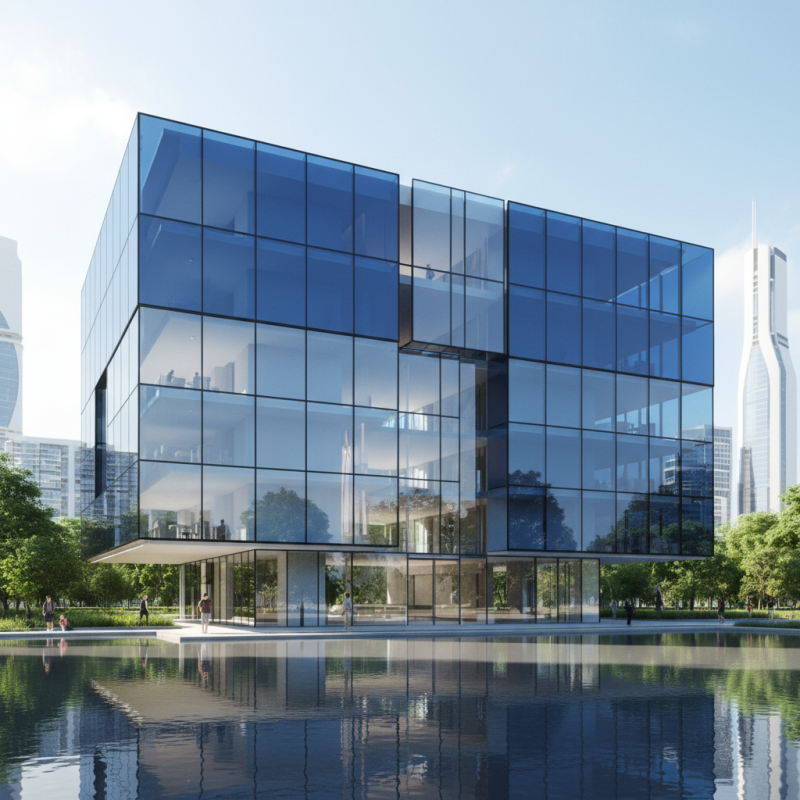
Electrochromic glass is transforming modern architecture. With its ability to change tint based on sunlight, it plays a crucial role in energy conservation. Buildings can maintain comfort while reducing dependence on heating and cooling systems. This technology allows for better control of natural light, minimizing glare without sacrificing views.
In energy-efficient buildings, electrochromic glass can significantly lower energy costs. By adapting to changing weather conditions, it helps regulate indoor temperatures. During hot sunny days, the glass dims to block excessive heat. On overcast days, it can allow more light in, reducing the need for artificial lighting. However, not all buildings utilize this technology effectively. Some designs overlook factors like orientation and climate specifics, which can limit benefits.
Moreover, while the initial cost can be higher, long-term savings from energy bills may offset this. Maintenance requirements and lifespan are still areas for consideration. Understanding the full scope of this technology's advantages and limitations is vital for architects and builders aiming to enhance sustainability. Electrochromic glass is a powerful tool, but its effectiveness hinges on thoughtful implementation.
Top 10 Benefits of Electrochromic Glass for Modern Architecture
Impact of Electrochromic Glass on Indoor Climate Control and Comfort
Electrochromic glass is revolutionizing indoor climate control. This technology allows glass to change tint with a simple flick of a switch. Buildings equipped with this glass can regulate lighting and temperature effectively. Reducing glare on sunny days is crucial for comfort. The adjustable opacity allows for a more pleasant atmosphere.
This glass works by changing its color based on voltage. When it is tinted, less heat enters, contributing to lower air conditioning costs. It’s noteworthy that this also minimizes the reliance on artificial lighting. However, the initial investment can be a barrier for some. Over time, the energy savings can offset upfront expenses.
Indoor comfort isn’t just about temperature. It’s about creating a harmonious environment. Users report better focus and reduced eye strain with light control. Yet, integrating this technology requires careful planning. The balance between aesthetic appeal and functionality needs consideration. Flexibility and adaptability in design are essential for maximizing benefits.
Top 10 Benefits of Electrochromic Glass for Modern Architecture
| Benefit |
Description |
Impact on Indoor Climate |
| Energy Efficiency |
Reduces reliance on heating and cooling systems. |
Maintains consistent indoor temperatures. |
| Glare Reduction |
Controls sunlight penetration and glare. |
Enhances comfort for occupants. |
| Privacy Control |
Adjustable tint allows for easy privacy management. |
Improves occupant comfort and security. |
| Aesthetic Appeal |
Modern look that integrates well with contemporary designs. |
Enhances overall building aesthetics. |
| UV Protection |
Blocks harmful UV rays that fade interiors. |
Protects furnishings and artwork. |
| Improved Ventilation |
Can be integrated with ventilation systems for better airflow. |
Promotes healthier indoor environments. |
| Sustainability |
Reduces carbon footprint by lowering energy consumption. |
Supports eco-friendly building practices. |
| Smart Technology Integration |
Compatible with building management systems. |
Enhances automation in climate control. |
| Sound Reduction |
Acts as a sound barrier with certain coatings. |
Creates a quieter indoor environment. |
| Long-Term Cost Savings |
Lower energy bills and maintenance costs over time. |
Increases overall building value. |
Aesthetic Advantages of Electrochromic Glass in Architectural Design
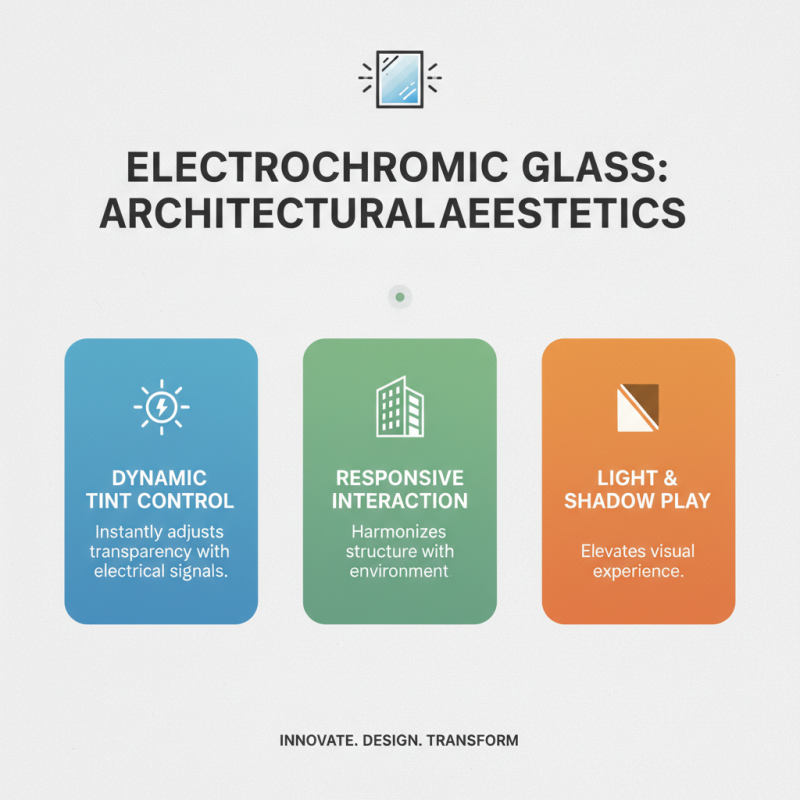
Electrochromic glass offers remarkable aesthetic advantages in modern architecture. This innovative technology allows the glass to change its tint in response to electrical signals. This property adds visual dynamism to buildings, creating a responsive interaction between the structure and its surroundings. Many architects have noted that this feature enhances the overall design by integrating light and shadow play, elevating the visual experience.
According to a report by the International Energy Agency, buildings account for nearly 40% of global energy consumption. By using electrochromic glass, architects can reduce energy use while improving aesthetics. The glass can darken to block glare, promoting comfort for occupants and visitors. Also, the ability to control light penetration can minimize the need for artificial lighting, contributing to a more sustainable architecture.
However, the implementation of electrochromic glass is not without challenges. Some architects report concerns over the high initial costs and limited availability of this technology. Maintenance and durability can also prompt hesitation. Despite these issues, the potential for unique architectural expression remains compelling. Embracing electrochromic glass may lead to striking designs with a modern twist, pushing the boundaries of creativity in contemporary architecture.
Electrochromic Glass Contribution to Sustainability in Modern Architecture
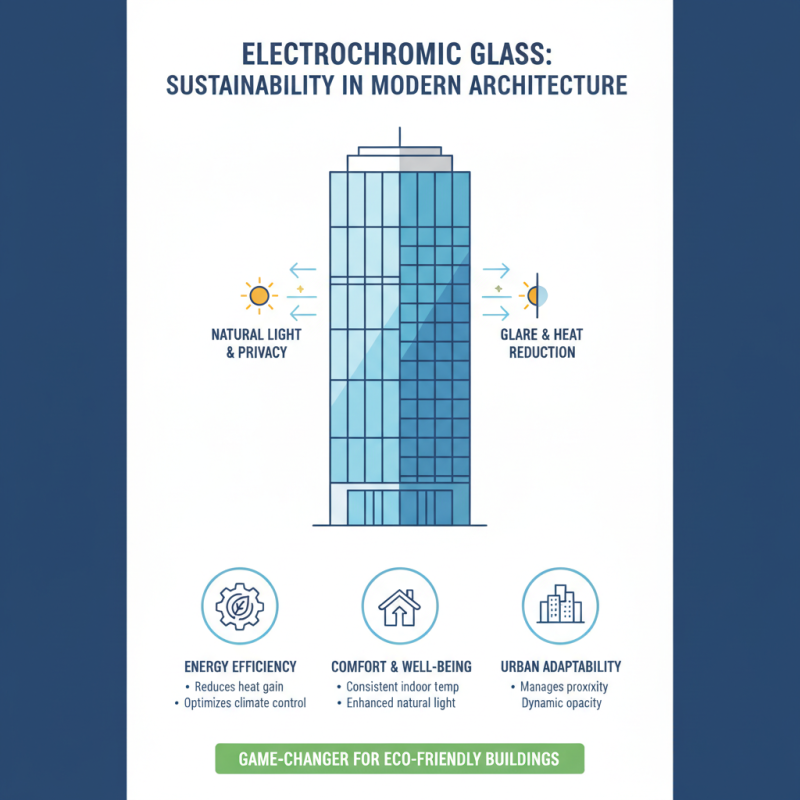
Electrochromic glass is a game changer for modern architecture. Its ability to change opacity can greatly enhance energy efficiency. By reducing glare and managing heat from sunlight, buildings can maintain a comfortable interior climate. This glass technology allows natural light to flood in while providing privacy when needed. It’s particularly useful in urban areas, where buildings are close together.
In terms of sustainability, electrochromic glass contributes to reduced energy usage. Buildings can rely less on artificial lighting and air conditioning. This can lead to lower energy bills and a smaller carbon footprint. Many architects recognize its potential, yet challenges remain. The initial cost can be high, and not all designs incorporate this material effectively.
**Tip:** When considering electrochromic glass for your project, assess your local climate. If sunlight is abundant, this technology will prove more beneficial.
Additionally, ensure that the technology integrates seamlessly into your building's design. It's essential to think about how the glass will perform in different weather conditions. Understanding these factors can help in making more informed decisions for sustainable architecture. **Tip:** Consult with professionals who specialize in this technology for optimal results.
Financial Implications: Cost Savings through Electrochromic Glass Integration
Electrochromic glass offers unique financial benefits in modern architecture. By adjusting its transparency, this smart glass can significantly reduce heating and cooling costs. Natural light can enter without unwanted heat. This flexibility leads to a lower reliance on artificial lighting during the day, translating to further energy savings.
However, initial installation costs can be high. Architects need to weigh these costs against long-term savings. Financial projections often overlook potential maintenance expenses. Over time, electrochromic glass can prove cost-effective, but accuracy in budgeting is crucial.
Building owners must consider how changes in energy prices affect savings. In some climates, the benefits may be more pronounced. A thorough assessment is necessary to ensure the integration is financially viable. Such reflections guide decision-making in a rapidly evolving market.


 Phone
Phone Send Email
 whatsapp
 Facebook