Essential Tips for Choosing the Best Lighting Glass for Your Home?
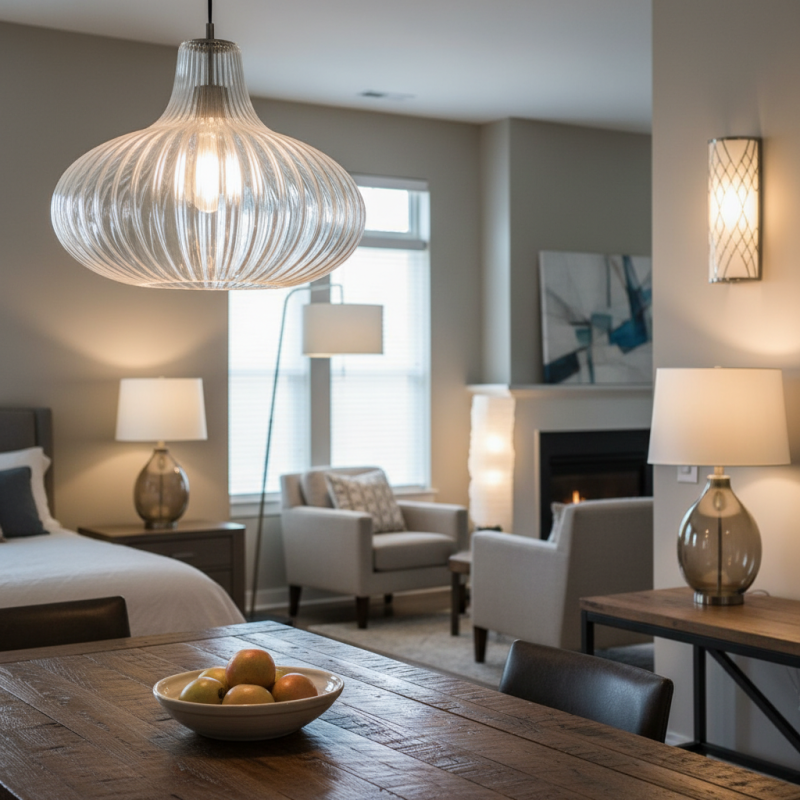
When selecting lighting glass for your home, the choices can feel overwhelming. The right lighting glass can transform a space. It enhances the atmosphere and adds character to your rooms. You may wonder how to make the best decision.
Consider the purpose of your lighting. Different styles serve various needs. Do you seek cozy ambient light or bright functional light? Each type of lighting glass contributes differently to your overall aesthetic. Choosing wisely will definitely impact your comfort and style.
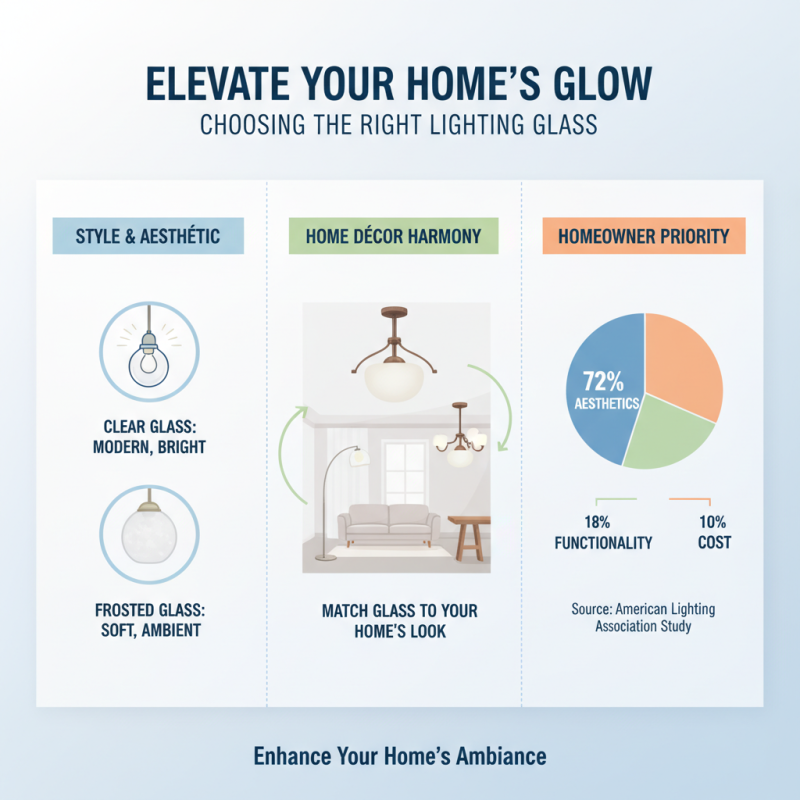
Pay attention to the color and texture of the lighting glass. Clear glass provides a clean look, while frosted glass offers softness. Each option brings a unique touch to your home. However, don't forget to think about maintenance. Some types of glass require more care than others. Reflect on your lifestyle and choose accordingly.
Understanding Different Types of Lighting Glass Materials for Homes
When selecting lighting glass for your home, understanding the various materials available is crucial. Common options include clear glass, frosted glass, and tinted glass. According to industry reports, clear glass allows for maximum light transmission, making it perfect for bright spaces. However, it may not provide the privacy some homeowners desire.
Frosted glass is ideal for areas needing privacy while still receiving natural light. It diffuses light evenly, reducing harsh shadows. A study by architectural specialists shows that frosted glass can increase comfort in living areas. Yet, some may find it lacks the elegant appearance of clear glass. Consider how each type aligns with your aesthetic and functional needs.
Choosing the right lighting glass is also about balance. Tinted glass can control glare and reduce heat, providing benefits in sunny environments. However, it may darken your space more than desired. Tips: Always visualize how light interacts with your chosen material at different times of the day. Try samples before making a final choice. This helps ensure you're making an informed decision. Don't rush this process, as it significantly influences your home's atmosphere.
Assessing the Style and Aesthetic of Lighting Glass for Your Space
Choosing the right lighting glass can enhance your home's aesthetic. The style of lighting glass must align with your overall décor. For instance, clear glass exudes a modern feel, while frosted options offer softer lighting. According to a recent study by the American Lighting Association, nearly 72% of homeowners prioritize aesthetics when selecting fixtures.
Consider the colors and textures present in your space. Warm tones in your lighting glass can create an inviting atmosphere. Cool tones may evoke a more contemporary vibe. A significant 65% of decorators recommend matching glass styles with existing furnishings. This can ensure cohesion throughout your room.
Pay attention to the size and shape of your lighting. Oversized fixtures can dominate a small room, making it feel cramped. Conversely, tiny lights may get lost in spacious areas. Reflections and refractions from the glass also play a role in how light interacts with your space. It's crucial to experiment and gather feedback from your environment. Not every choice will look as expected; reflection angles can surprise you. Trust your instincts, but don’t hesitate to reassess your selections.
Evaluating Durability and Maintenance Requirements of Lighting Glass
Choosing the right lighting glass for your home involves understanding durability and maintenance. Different types of glass have unique strengths. Some are more scratch-resistant, while others are prone to etching. It’s vital to determine how much wear and tear your lighting fixtures will face.
Consider the environment where the glass will be used. Will it be in a high-humidity area like a bathroom? Some glass types might not withstand moisture well. Cleanliness is another factor. Does the glass show fingerprints easily? You might want to avoid that if you dislike constant cleaning.
Think about maintenance requirements. Some glasses require special cleaning solutions. Others can be wiped down with a damp cloth. Reflect on your cleaning routine when making a choice. If you tend to forget maintenance, opt for low-maintenance options. This decision can save you effort and time in the long run. Always ask yourself: how much care can I realistically provide?
Considering Energy Efficiency and Light Diffusion Properties
When choosing lighting glass for your home, energy efficiency is crucial. Look for materials that allow natural light while reducing energy costs. High-performance glass can enhance insulation, keeping your space warm in winter and cool in summer. Consider options with low-emissivity coatings that reflect heat.
Light diffusion properties greatly affect ambiance. Textured or frosted glass scatters light softly, creating a cozy environment. If you prefer bright light, clear options may suit you better. However, think about glare – too much can be uncomfortable. Choosing the right balance is essential.
Remember to evaluate your space. Each room has unique lighting needs. A bathroom may benefit from brighter, clearer glass. In contrast, a living room might require softer diffusion. It’s okay to experiment and adjust. Don't hesitate to revisit choices if they don’t meet your expectations.
Budgeting and Sourcing Quality Lighting Glass for Your Home Design
When budgeting for lighting glass, clarity is essential. Determine how much you can afford to spend. Consider the overall costs that include not only the glass but also fixtures and installation. Explore different options within your budget. Sometimes, high-quality lighting glass can be found in unexpected places. Thrift stores or local artisans might offer unique pieces at reasonable prices.
Sourcing quality lighting glass comes with its own challenges. Research various materials, such as frosted, clear, or colored glass, and their durability. The right choice can transform your space dramatically. Look for local suppliers who specialize in lighting materials. Don't hesitate to ask questions about their products. Sometimes, packaging and presentation can obscure the actual quality. It’s important to see the glass in person before making a decision.
Quality doesn't always mean expensive. You might find beautiful options at a lower price point. Visiting shows or markets can also lead to inspiration. Pay attention to how glass interacts with light. It can be surprising to see how colors and shapes change in different settings. Allow yourself to experiment and rethink your choices as you go along.


 Phone
Phone Send Email
 whatsapp
 Facebook