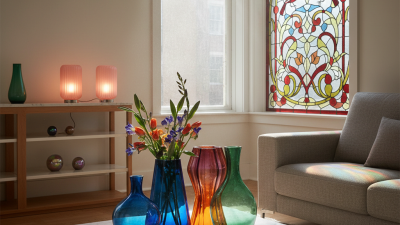
What is Colored Glass and How to Source It Globally?
Colored glass is a captivating material widely used in art, architecture, and everyday items. Its vibrant hues can transform ordinary spaces into extraordinary experiences. The history of colored glass dates back to ancient civilizations, where artisans mastered the technique of adding metallic oxides to achieve various shades. Today, colored glass continues to inspire creativity and innovation.
Sourcing colored glass globally involves understanding its diverse varieties and applications. Each region has unique techniques and traditions that influence its production. From European artisans to modern manufacturers in Asia, the options are vast. However, locating the right supplier requires thorough research and careful consideration. One must assess quality, costs, and ethical practices.
As you embark on finding colored glass, there may be challenges. Not all suppliers meet reliable standards. Miscommunication can lead to unsatisfactory results. It's crucial to establish clear expectations and maintain open dialogue. Reflecting on past sourcing experiences will help refine future decisions. Exploring colored glass is a journey filled with possibilities and learning opportunities.
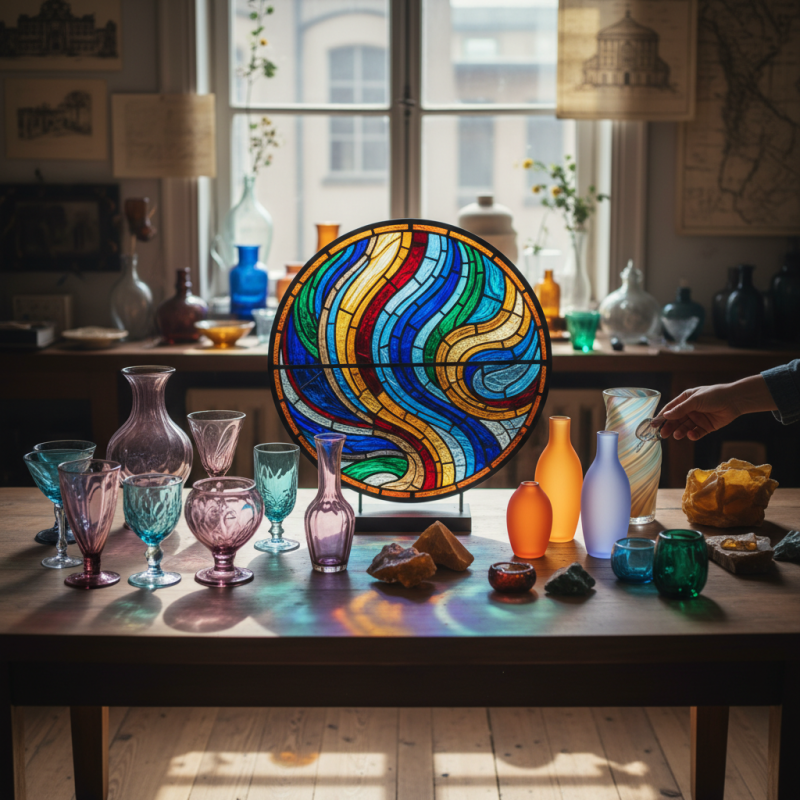
Understanding the Definition and Types of Colored Glass
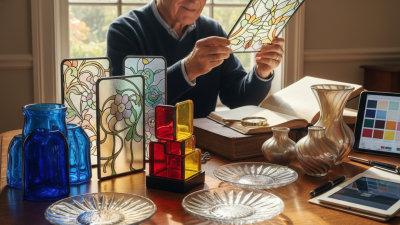
Colored glass has a rich history and is widely used in various applications. Understanding its types can illuminate its importance in art, architecture, and design. The most common types include laminated, stained, and blown glass.
Laminated glass is often used for safety and aesthetics. Stained glass provides vibrant colors, frequently seen in cathedrals. Blown glass, a traditional craft, showcases skilled artistry.
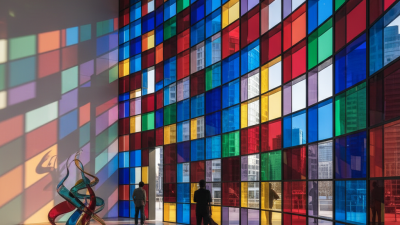
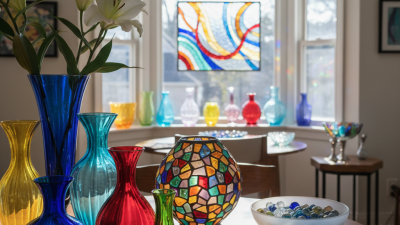
Market data from industry reports indicates that the global colored glass market was valued at approximately $28 billion in 2022. This growth is primarily driven by demand in the construction and automotive sectors. For instance, architecture utilizes colored glass for facades and decorative elements, enhancing visual appeal. Residential décor and craft industries also adopt colored glass for unique designs, illustrating its versatility.
However, sourcing colored glass globally can present challenges. Variability in quality and color consistency is common. The production processes differ from region to region, which can affect supply chains. Experts suggest thorough evaluations of suppliers to ensure adherence to quality standards. Knowledge of local manufacturing practices is vital for successful sourcing. By recognizing these nuances, professionals can make informed decisions in the colored glass market.
Historical Development and Cultural Significance of Colored Glass
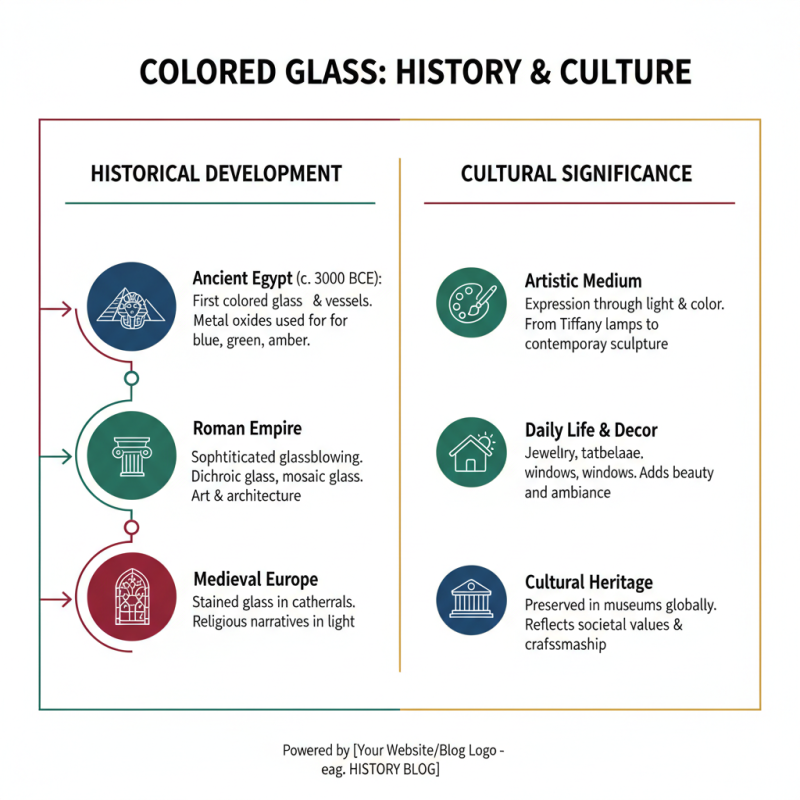
Colored glass has a rich history that dates back thousands of years. Ancient civilizations, such as the Egyptians and Romans, crafted colored glass for decorative and functional purposes. They used metal oxides to produce vibrant hues, making each piece unique. Today, museums showcase such works, reflecting the influence of color in art and daily life.
Culturally, colored glass holds various meanings across societies. In some cultures, it represents purity and spirituality, while in others, it symbolizes wealth and status. Its use in stained glass windows is notable; these windows tell biblical stories and frame sacred spaces. They enrich our understanding of historical narratives through vivid storytelling.
However, sourcing colored glass globally poses challenges. Different regions have distinct techniques and styles. Variations can lead to inconsistency in quality. As a result, careful research and collaboration with artisans become crucial for achieving desired outcomes. Exploring the cultural significance of colored glass can deepen appreciation and guide sourcing efforts.
Key Characteristics and Composition of Colored Glass
Colored glass has a unique allure, characterized by its vibrant hues and varying compositions. The primary elements used in its manufacture include silica, soda, and lime, which serve as the foundation. The introduction of metal oxides defines the glass's color—cobalt for blue and chromium for green. A report by the Glass Manufacturing Industry Council notes that nearly 15% of the glass produced globally is colored. This reflects a steady demand across multiple sectors, from architecture to art.
The production process involves rigorous techniques to achieve specific shades and textures. For instance, glassblowing and molding techniques are essential in crafting functional and artistic pieces. Interestingly, colored glass can vary significantly in quality, influenced by the purity of raw materials. A study in the Journal of Glass Science indicates that impurities can compromise the color intensity and overall durability of colored glass products. Crafting high-quality colored glass requires expert knowledge and quality control to ensure reliability.
Despite advancements in technology, sourcing colored glass globally presents challenges. Dependence on various raw materials can lead to inconsistent availability. Additionally, variations in manufacturing practices around the world may affect consistent production standards. With a market projected to grow by over 6% annually until 2025, the need for reliable sourcing strategies becomes critical for producers and consumers alike.
Methods and Techniques for Producing Colored Glass
Colored glass is created through the addition of metal oxides or minerals during the melting process. Common techniques include the incorporation of cobalt for blue glass and selenium for red hues. These methods allow for a wide spectrum of colors, each with unique properties.
When sourcing colored glass, consider the type of glass you want. Decorative glass, for example, can be produced using different techniques compared to functional glass. This distinction is crucial as it affects not only the appearance but also the application.
Tips: Always check the supplier’s expertise. Look for manufacturers with experience in colored techniques. Research their product lines and techniques used. Ensure their materials meet safety standards. Understanding the production process can help you make informed decisions. While it’s easy to find suppliers, not all will deliver quality. Review their client portfolio and seek feedback to avoid potential disappointments.
Global Sourcing Strategies for Colored Glass Suppliers
Colored glass is a unique material with diverse applications in art, architecture, and design. Sourcing this material globally can be complex. However, with the right strategies, it can be done effectively. Building a network of reliable suppliers is crucial. Look for manufacturers known for their quality and craftsmanship. This networking can happen at trade shows or through industry contacts.
Tips: Always check the supplier's reputation. Conduct thorough research and ask for references. Understand the production processes they use. You want to ensure that their techniques align with your quality standards.
Consider regional specialties when sourcing colored glass. Different regions may have unique styles and types of glass. For instance, some areas may offer vibrant colors while others excel in texture. Be open to exploring lesser-known suppliers; they may provide remarkable options. Remember, the availability of materials can affect project timelines.
Tips: Be flexible with your sourcing plan. Develop backup suppliers to ensure consistency. Keep an eye on global market trends. This awareness can help you adjust your strategies effectively.
Global Sourcing Strategies for Colored Glass Suppliers


 Phone
Phone Send Email
 whatsapp
 Facebook