inquiry
Leave Your Message

How to Choose a Glass Fabrication Company

Choosing a Glass Fabrication company is more than comparing prices. The right partner must turn drawings into glass that fits, performs, and arrives on schedule. Look closely at its capabilities: cutting, tempering, laminating, insulating-glass production, edgework, and quality checks. Ask how it controls dimensions, protects finished panes, and handles replacements when a unit misses specification. Small details matter. A chipped corner can stop an installation.

Performance deserves equal scrutiny. The U.S. Department of Energy’s Energy Saver guidance estimates that windows account for about 25%–30% of residential heating and cooling energy use. That figure applies to homes, not every building type, but it shows why glass specifications matter. Compare documented thermal and solar performance, not vague claims. Check whether products carry National Fenestration Rating Council (NFRC) ratings, and confirm that the proposed configuration matches your project’s climate and design needs. Helen Sanders, Ph.D., a glazing and building-envelope specialist, has emphasized evaluating glass as part of the complete window system; in practical terms, do not judge the pane alone.

A capable fabricator should explain its tolerances, certifications, testing, lead times, and installation coordination in plain language. Request recent, comparable project examples and ask who will resolve technical questions after ordering. Verify the details. A polished showroom is not proof of reliable production. Nor is the lowest quote always the best value. This guide will help you assess experience, equipment, quality controls, communication, and total project fit. Some trade-offs remain. Even careful screening cannot prevent every delay, but it can reveal avoidable risks before glass reaches the jobsite.

How to Choose a Glass Fabrication Company

Define Your Glass Fabrication Project Requirements

Define your glass fabrication requirements before requesting quotes. Record each panel’s width, height, thickness, quantity, and acceptable dimensional tolerances. Specify glass type, edge finish, holes, notches, and any tempering or lamination. A sketch with labeled dimensions often prevents costly assumptions. Include the installation location, expected loads, exposure, and how panels will be packed and handled. I would recheck the measurements. It is easy to overlook a small cutout.

Performance targets matter too. State required safety, acoustic, thermal, and visual outcomes, rather than asking for “standard glass.” The U.S. Department of Energy reports that heat gain and heat loss through windows account for 25%–30% of residential heating and cooling energy use. That figure makes thermal performance worth defining early, especially for exterior glazing. Ask prospective fabricators how they document specifications, verify tolerances, and report quality checks. Confirm lead times and delivery constraints; a finished panel is not useful if it cannot reach the site safely.

Tips: Send one dimensioned drawing, a written specification, and clear photos of the opening. Mark the viewing side and finished edges. Ask the fabricator to flag unclear details before production. Small details matter. If the first draft feels incomplete, revise it before comparing bids.

How to Choose a Glass Fabrication Company - Define Your Glass Fabrication Project Requirements
Project Dimension Requirements to Define Example Information to Provide What to Confirm with the Fabricator
Application and location Describe where the glass will be installed and how it will be used. Interior partition, shower enclosure, storefront, railing, cabinet door, or exterior window. Whether the proposed glass and fabrication process suit the intended use, installation conditions, and applicable building codes.
Glass type Specify the required glass construction and any safety-glazing needs. Annealed, heat-strengthened, fully tempered, laminated, or insulating glass unit (IGU). Which type is appropriate for the application. Safety-glazing requirements depend on location and local regulations.
Dimensions and quantity Provide finished width, height, thickness, units, and piece count for each panel. Panel A: 900 × 2,100 mm, 10 mm thick, quantity 4; identify dimensions as finished or rough-opening measurements. Measurement conventions, dimensional tolerances, required clearances, and whether a site measure or approved shop drawings are needed.
Thickness and structural requirements Share panel size, support conditions, wind or other design loads, and relevant project specifications. Four-edge support, two-edge support, point-fixed installation, or a project-engineer-specified load. That glass thickness and construction are based on the design loads, span, support method, and applicable code—not appearance alone.
Edges, holes, and cutouts Mark edgework, holes, notches, corner details, and cutouts on a dimensioned drawing. Polished exposed edges; hinge holes located by centerline dimensions; notches shown with radius and depth. All machining requirements before ordering. Holes and cutouts generally need to be made before glass is tempered; tempered glass cannot be cut or drilled afterward.
Appearance and finish Specify color, transparency, pattern, coating, surface finish, and visible-edge expectations. Clear or tinted glass, frosted surface, patterned glass, low-iron appearance, or a specified coated surface. Available samples, color variation, coating orientation, and how edges or exposed hardware may affect the finished appearance.
Thermal and solar performance For exterior glazing, state performance targets and the relevant measurement basis. Target U-factor, solar heat gain coefficient (SHGC), and visible transmittance (VT), where required by the project. Whether values apply to the glass center or the complete window or glazing system; performance depends on the full assembly and test or rating method.
Insulating glass unit details For an IGU, define the overall build-up and project performance needs. Glass panes, cavity width, spacer type, gas fill if specified, and low-emissivity coating requirements. Unit build-up, coating surface, edge-seal details, compatibility with the frame, and applicable performance documentation.
Acoustic requirements State the sound-control objective and any specified rating or test standard. A target STC or OITC rating when the project design calls for one. Whether the rating applies to the glass or the complete installed assembly; frames, seals, and installation affect acoustic performance.
Drawings and approvals Prepare dimensioned drawings that show panel labels, orientation, finishes, and fabrication details. Marked-up elevations, opening schedules, hardware locations, and approved shop drawings. Who reviews and approves drawings, how revisions are handled, and whether fabrication begins only after written approval.
Delivery and handling Define delivery location, access limits, packaging, unloading, and required delivery sequence. Site delivery, floor or zone labels, restricted delivery hours, or a need for a lifting plan. Packaging method, unloading responsibilities, storage guidance, lead time, and procedures for reporting transit damage.
Quality and compliance documents List the records required for inspection, approval, or project closeout. Product data, safety-glazing documentation, test reports, warranty information, or traceability records. Which documents are available for the specified product and whether they meet the project and jurisdictional requirements.
Planning note: Example dimensions and specifications are illustrative. Confirm final measurements, glass selection, tolerances, performance targets, and code requirements with the project’s design professionals and the selected fabricator before production.

Identify the Fabrication Services and Capabilities You Need

Before requesting a quote, list the operations your project actually needs. A simple shelf may require only accurate cutting and polished edges. A shower panel might also need holes, notches, tempered glass, and carefully finished corners. Small details matter. Share drawings with dimensions, glass thickness, edge profiles, and hole locations. Ask the fabricator to flag features that may be difficult to produce consistently.

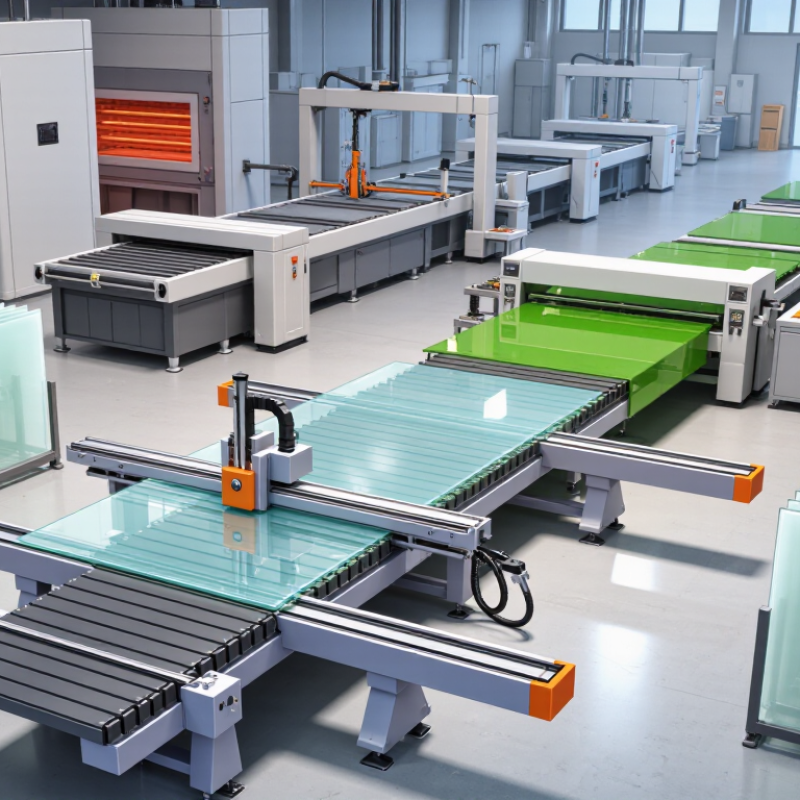
Match the company’s equipment and process to the job. Some shops handle small custom runs well; others are better suited to repeat production. Check whether they offer cutting, drilling, laminating, tempering, CNC shaping, coatings, or assembly, as needed. Do not assume every service is performed in-house. Ask who handles outsourced steps and how the finished glass is inspected. For critical dimensions, request stated tolerances and ask how measurements are verified.

It is easy to treat edge finishing as cosmetic; that can be a mistake. Rough or inconsistent edges may affect fit, handling, and appearance. Ask to see samples similar in thickness and finish to your specification. If the design is unusual, consider a prototype before ordering a full batch. A sample can reveal problems that a drawing misses, though it may add time and cost. Compare the proposed process, not just the quoted price.

Assess Quality Standards, Materials, and Safety Compliance

When choosing a glass fabrication company, look beyond a polished showroom sample. Ask how it checks thickness, flatness, edge finishing, and dimensions before delivery. Request inspection records and clear tolerance ranges. A smooth edge should feel consistent, with no chips or sharp burrs. Small defects matter.

Materials should match the project, not just the budget. Confirm the glass type, thickness, coating, and any heat-treatment or lamination requirements. For a shower enclosure, for example, moisture exposure and hardware clearances affect the specification. Ask how the company tracks glass from supplier to finished piece. If details change, get the revised specification in writing. I have seen plans look complete while missing a simple cutout measurement; a second review can catch that.

Safety compliance deserves the same attention as appearance. Ask which applicable standards the products are tested against, and request current certificates or test reports. Check whether the fabricator explains handling, transport, installation, and breakage risks. Requirements can vary by location and use, so confirm them with the project professional or local authority. Paperwork helps, but it is not the whole story. A reliable company should answer specific questions plainly, explain limits, and flag a design that may be unsafe or difficult to fabricate.

How to Choose a Glass Fabrication Company

Assess quality standards, materials, and safety compliance

CPSC 16 CFR Part 1201 defines two impact-test categories for safety glazing: Category I at 150 ft·lbf and Category II at 400 ft·lbf. Ask fabricators for product-specific test documentation and confirm which code requirements apply to your project. Also review material specifications and quality-control procedures.

Compare Quotes, Lead Times, and Communication Practices

How to Choose a Glass Fabrication Company

A quote is useful only when its details can be compared. Check that each proposal lists glass type, thickness, dimensions, edge finishing, and any required holes or cutouts. Ask whether tolerances and packaging are included in the price. A low figure may leave important work out. Small omissions can change the final cost.

Lead times deserve the same close attention. Ask when the clock starts: after approval, payment, or receipt of final measurements? Get separate estimates for fabrication, packing, and delivery. If your project depends on a specific installation date, ask what could delay production, such as custom patterns or a late design change. Build in some breathing room. Schedules can slip.

Communication matters most when plans change. Notice whether the company answers specific questions clearly and records revised dimensions in writing. Ask who will provide progress updates and how quickly they usually respond. A brief update with a photo of the finished edge can prevent confusion. Not every shop will communicate perfectly. That is worth acknowledging. Before choosing, compare how each team handles a practical question, such as whether a small measurement adjustment affects price or timing. A candid answer is more useful than a polished promise.

Verify Company Experience and Select a Fabrication Partner

A reliable glass fabrication partner should explain its experience through completed work, not just years in business. Ask which products the team handles regularly, such as shower panels, display cases, or insulated units. A shop familiar with your project type is more likely to spot practical issues early. Ask for project examples with similar glass thicknesses, dimensions, edge finishes, and hardware. Specifics matter.

Verify how the company checks measurements and tolerances before cutting. Ask who reviews drawings, how changes are recorded, and what happens when a piece does not meet the agreed specifications. A clear answer is more useful than a polished sales promise. Request references from recent customers, and, when practical, visit the workshop. Observe how glass is stored and how finished pieces are protected during packing. Small details matter.

Discuss lead times, delivery conditions, and communication before placing an order. Ask for written confirmation of the glass type, finish, dimensions, and inspection steps. Then notice how quickly the team answers ordinary questions; slow or vague replies may signal avoidable friction later. No fabricator is perfect, and a past project cannot guarantee the next one will go smoothly. Still, a partner who explains limitations openly and corrects misunderstandings promptly is easier to trust. I would weigh that honesty alongside experience, rather than choosing by a portfolio alone.