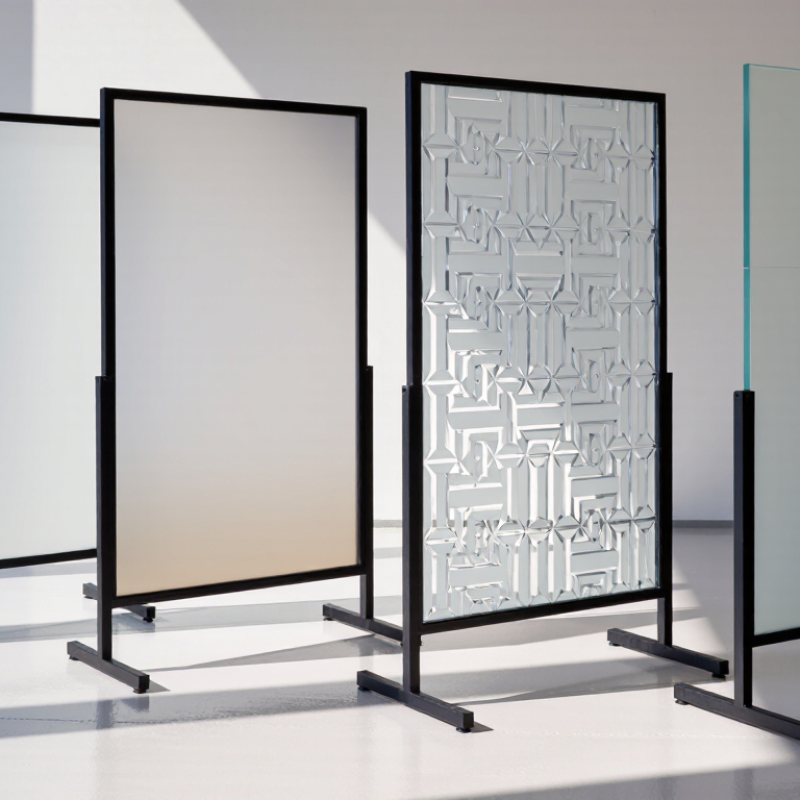
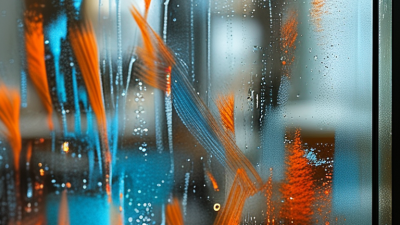
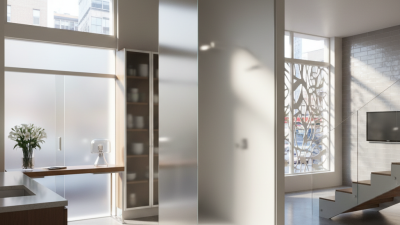
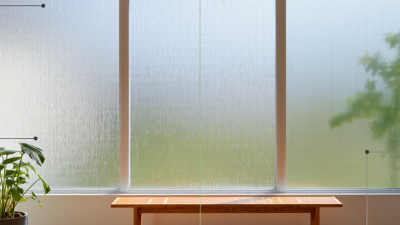
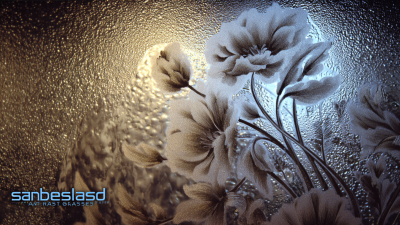
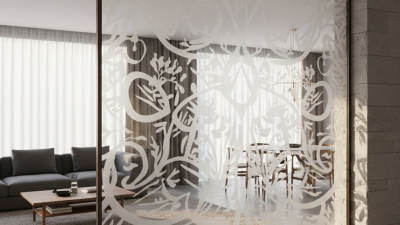
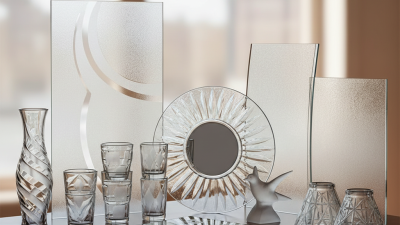
For global buyers, the best Sandblasted Glass is not one finish for every project. It is the option that balances privacy, daylight, appearance, maintenance, and safety requirements. Common choices include fully frosted panels, gradient finishes, custom patterns, and partial frosting on clear glass. Each scatters light differently. A sample beside a window can reveal how much detail remains visible in real conditions.
Demand for better-performing buildings also shapes glass decisions. UNEP and the Global Alliance for Buildings and Construction reported that buildings and construction produced 37% of global energy- and process-related carbon emissions in 2022. That figure does not measure demand for sandblasted products, but it highlights why buyers increasingly assess glazing as part of wider building performance. A frosted finish can provide visual privacy, yet it does not automatically improve insulation or reduce heat gain.
The surface matters. Abrasive blasting creates a matte texture, and its uniformity, depth, and cleanability can vary by supplier and process. A small catch: deeper texture may collect marks more readily. Buyers should compare physical samples, confirm the glass substrate, and check whether the chosen finish is compatible with required safety processing. Tempered and laminated versions may be available, but manufacturing sequence matters. Requirements also differ by market and application, so verify specifications with the fabricator and project team. Some details are easy to overlook. This guide compares the main types, their practical strengths, and the questions worth asking before ordering.
Sandblasted glass is made by directing fine abrasive particles against a masked glass surface. The impact removes a thin layer, creating a pale, translucent finish. It is not a coating. Light still passes through, but clear views become softened. A bathroom partition may show a blurred outline while keeping the room bright.
The result depends on abrasive size, pressure, exposure time, and masking quality. Fine particles can create a smoother, more even haze; stronger or longer blasting may produce a rougher texture. Patterns can range from broad frosted panels to crisp decorative bands. In practice, edges and large areas may look slightly different under changing light. That variation is worth checking with a physical sample, not just a screen image. Buyers should also confirm the glass substrate, thickness, edge finish, and whether further processing is required for their project.
Tips: Ask for samples viewed against both daylight and indoor lighting. Check how fingerprints, cleaning marks, and water spots appear on the chosen finish. For frequent-touch areas, a less textured surface may be easier to maintain. Keep in mind that abrasive etching can be permanent; that is useful, but it leaves little room for a late design change.
Sandblasted glass is made by directing abrasive particles through a nozzle onto a protected glass surface. A cut vinyl mask leaves selected areas exposed, creating letters, borders, or patterns. Angular aluminum oxide or silicon carbide cuts a sharper, more opaque finish; rounded glass beads usually create a softer satin effect. “Sandblasted” describes the process, not necessarily the abrasive. The USGS Mineral Commodity Summaries 2024 estimated U.S. industrial sand and gravel production at about 120 million metric tons in 2023. That total covers many industries, so it should not be mistaken for blasting-media demand.
For a one-sided finish, the exposed face is etched while the reverse remains clear. Two-sided blasting scatters light from both faces and can appear more uniformly diffused, but fine details may lose contrast. Mask quality, nozzle distance, pressure, and exposure time all affect the result. I would not specify opacity from a product photo alone; lighting changes its appearance. A small sample under the intended lighting is more dependable.
Tips: Ask the fabricator to identify the abrasive, confirm whether one or both faces will be treated, and test a masked sample. Check edges and lettering closely; uneven exposure can show as pale bands or fuzzy outlines.
Sandblasted glass is made by directing abrasive particles at a glass surface to create a matte, translucent finish. The result depends on the glass substrate, abrasive, blasting settings, stencil design, and whether one or both faces are treated.
| Type or finish | How it is made | Abrasive and masking | Typical appearance and use | Buyer considerations |
|---|---|---|---|---|
| Uniform, one-sided frosted glass | One face of flat glass is exposed to a controlled abrasive blast to produce an even matte surface. | Common media include aluminum oxide or garnet. A protective mask is generally used around edges or areas that must remain clear. | Soft, diffuse appearance with light transmission and reduced direct visibility; often specified for interior partitions, doors, and screens. | Ask for a sample showing the intended opacity and texture. Surface marks and fingerprints may be more visible on matte finishes than on smooth glass. |
| Two-sided frosted glass | Both faces are abrasive-blasted, either in separate passes or using a controlled production setup. | Media and masking are selected for each face; fixtures and handling must protect the first finished surface during the second pass. | More consistently diffuse appearance when viewed from either side; used where both sides are exposed to view. | Confirm that both faces are specified and inspect for uniformity on each side. Two-sided treatment can reduce clarity more than a one-sided finish. |
| Masked pattern or logo-free decorative design | A reusable or disposable stencil protects selected areas while exposed areas are blasted. Removing the mask reveals the design. | Stencil films, rubber masks, or other blast-resistant masking materials are chosen to suit the pattern detail and blasting depth. | Geometric, line-based, or custom decorative designs with contrast between clear and matte regions; suitable for interior glazing and signage panels. | Fine details require carefully prepared artwork and a suitable mask. Specify the pattern orientation, dimensions, and whether the design is viewed from one or both sides. |
| Deep-cut or carved glass | Selected areas are blasted for longer or in multiple controlled stages to create deeper relief than a light frosting. | A durable mask protects areas that should remain raised or clear. Abrasive type, particle size, pressure, and exposure time affect the cut. | Noticeable texture and shadowing; often used for decorative panels and tactile features. | Deeper blasting removes more surface material and can affect strength. Have the fabricator review the design, glass thickness, edge condition, and intended application. |
| Gradient or partially frosted glass | Masking is arranged to expose only selected zones; staged blasting or a graduated masking layout creates a visual transition. | Stencil placement and blast control determine the boundary and degree of frosting. The transition may be stepped or softened depending on the process. | Balances privacy and light transmission; commonly considered for partitions and glazed doors. | Ask for a production sample because the appearance of a gradient can vary with viewing angle, lighting, and the masking method. |
| Frosted tempered safety glass | For most applications, the glass is blasted and inspected before heat tempering; tempering then adds the safety-glass treatment. | Masking and abrasive blasting are completed before the tempering process. Any required holes, notches, or edgework also need to be planned before tempering. | Matte privacy finish combined with the properties of fully tempered safety glass when correctly manufactured to applicable requirements. | Do not assume finished tempered glass can be safely blasted afterward. Confirm the required safety standard, markings, dimensions, and fabrication sequence with the supplier. |
| Frosted laminated glass | One or both exposed faces of the glass plies can be blasted before the plies are laminated together, subject to the design and fabrication plan. | Masking is applied to the intended exposed face or faces before blasting. The laminate build-up and finished orientation should be agreed in advance. | Can combine a matte appearance with a laminated construction for applications where retained glass fragments are a design consideration. | Specify which face or ply is frosted and how the finished panel will be installed. Confirm the complete build-up and applicable safety requirements. |

Manufacturing and safety note: Typical production involves cleaning and inspecting the glass, applying and checking the mask, abrasive blasting, removing the mask, and cleaning and inspecting the finished surface. Abrasive selection and particle size vary by equipment and desired finish. Buyers should request the fabricator’s process details and test samples. Avoid uncontrolled use of free crystalline silica sand, whose dust can cause silicosis; blasting operations require suitable dust extraction, containment, and worker protection.
Sandblasted glass gives buyers several ways to balance privacy, daylight, and visual texture. Full-frost glass creates an even, soft-white screen. It suits bathroom partitions, office doors, and meeting-room dividers. Patterned finishes leave clear areas between frosted lines, dots, or geometric shapes. They can mark a glass panel without making it feel heavy. Small samples matter. A pattern can look much denser across a full-height door.
Gradient glass shifts from clear to frosted across the panel. It can preserve a view at eye level while screening lower sections. Custom designs allow logos, borders, or repeated motifs, but intricate artwork may be harder to clean. Ask suppliers for a full-size mock-up, edge samples, and details on coating durability. The GlobalABC 2023 Global Status Report states that buildings and construction used 34% of global energy in 2022 and produced 37% of energy- and process-related CO2 emissions. This is not a glass-product comparison, but it reinforces the value of specifying daylight and long-term use carefully.
Tips: Check the finish from both sides under real lighting. Confirm the clear-to-frosted transition, cleaning method, panel size, and tolerance before production. For custom patterns, test privacy at night with interior lights on. One detail is easy to miss: textured areas may show fingerprints differently. Even a good sample can surprise you.
EN 12150-1 covers thermally toughened soda-lime silicate safety glass in nominal thicknesses from 3 to 19 mm. That range is a starting point, not a thickness recommendation for every sandblasted panel. A 4 mm panel may suit a small cabinet door, while a tall divider needs a project-specific check.
Sandblasting removes surface material and can affect strength. For toughened glass, specify the texture and edgework before heat treatment; do not assume finished tempered glass can be deeply blasted afterward. Ask the processor to confirm the production sequence, thickness, and compliance documents. Details matter.
Where people may impact the glass, compare monolithic toughened glass with a laminated safety build-up. Lamination can help retain fragments, but it changes weight, edge appearance, and fabrication choices. EN 12150-1 conformity addresses the toughened glass product; it does not confirm that an installed screen suits its supports, dimensions, or use. I would check these points against the project drawings before ordering. A matte finish can also show fingerprints and uneven cleaning in side light.
How to read this chart: The bars show representative nominal thickness values within the 3–19 mm scope stated for thermally toughened soda lime silicate safety glass in EN 12150-1. They do not indicate that every thickness suits every application or is available from every supplier.
For a safety-glazing specification, confirm the required performance for the intended installation. Sandblasting is generally specified before toughening; EN 12150-1 applies to the thermally toughened glass, not to every sandblasted product or glazing assembly.
For global buyers comparing sandblasted glass, the key question is not simply how opaque the surface looks. Specify the base glass, heat treatment, safety performance, and finish separately. A pale, even frost can look clean under showroom lights, yet reveal uneven blasting near a window.
ASTM C1036 covers flat glass, including basic glass type, thickness, and quality requirements. It does not, by itself, define a sandblasted finish or prove that a pane is safety glass. ASTM C1048 addresses heat-strengthened and fully tempered flat glass. If the panel needs heat treatment, state the required glass type and thickness, then confirm that fabrication and edgework occur in the correct sequence. That distinction matters.
EN 12600 classifies impact performance using a pendulum test and reports a classification based on impact and breakage behavior. Buyers should request the applicable test evidence for the finished product, not assume a standard’s name guarantees a particular result. Sandblasting can also affect surface appearance and maintenance; ask for a sample showing the intended face, lighting, and cleaning method. Small details matter. I would still check how the supplier defines “uniform” frosting, since that word can hide real differences. Keep tolerances, markings, and documentation clear in the purchase specification.