How to Choose Frosted Glass in 2026?
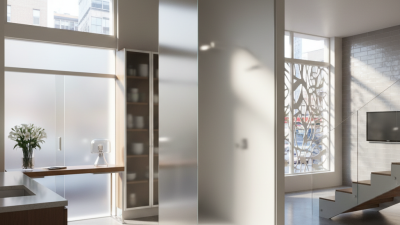
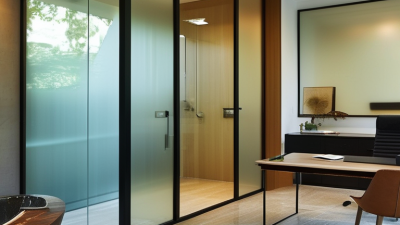
Choosing Frosted Glass in 2026 is not just a privacy decision. It affects daylight, appearance, cleaning, and how a room feels at different hours. A translucent panel can soften a bright hallway while keeping silhouettes visible; a denser finish may better screen a bathroom or street-facing office. The difference is practical. Ask how much light should pass through, how much detail should remain hidden, and whether the glass will be touched often.
Energy performance deserves attention, too. The U.S. Department of Energy’s Energy Saver guidance estimates that windows account for 25–30% of residential heating and cooling energy use. Frosting alone does not determine a window’s insulation. The full assembly—glass layers, coatings, frame, and installation—matters. The 2024 Global Status Report for Buildings and Construction, published by UNEP and the Global Alliance for Buildings and Construction, reports that buildings and construction account for 32% of global energy use and 34% of energy-related CO₂ emissions. That is broad context, not proof that one glass finish saves energy. Details count.
This guide compares etched, sandblasted, and filmed options, then looks at light transmission, durability, safety, and maintenance. Check samples in the actual room; a small swatch can look different beside a window at noon. Also confirm whether the glass suits the intended application and local building specifications. No single finish fits every room. That part is easy to overlook.
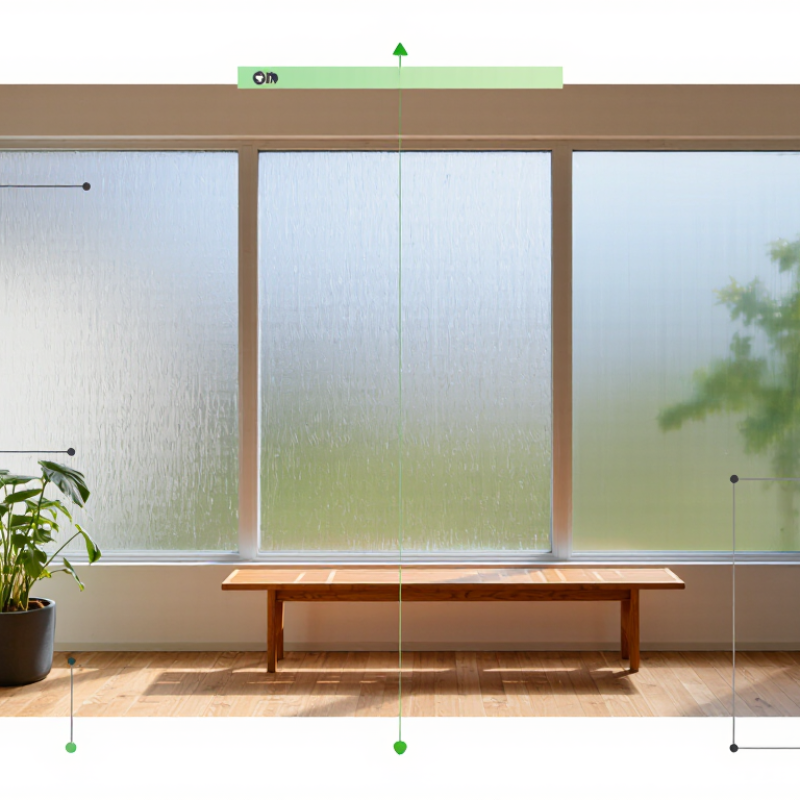
Define Privacy and Light Goals Using Visible-Light Transmittance (VLT)
Visible-light transmittance, or VLT, is the percentage of visible light that passes through glass. A higher VLT generally keeps a room brighter; a lower VLT tends to soften daylight. Frosting diffuses light rather than making the glass fully opaque. VLT alone does not tell you how well it hides faces or objects.
Start with the room’s real use. For a shaded bathroom, brighter frosted glass may preserve daylight while blurring details. Beside a sunny street, a lower-VLT option may feel calmer. Check the glass at different times of day. A silhouette can become more noticeable when a room is lit at night and the outside is dark. Privacy depends on lighting, viewing distance, and the frosting pattern, too.
Compare samples in the intended opening, not only under showroom lights. A small sample helps, but it may not predict the effect across a large window. That part is easy to underestimate. If possible, view a larger panel from both sides, with interior lights on and off. Record the VLT, then judge the brightness and privacy separately. One number cannot settle both goals, and the trade-off may feel different once the room is furnished.
Compare 4–12 mm Glass Thicknesses for Each Application
How to Choose Frosted Glass in 2026?
Frosted glass thickness affects stiffness, weight, hardware choice, and how confidently a panel handles everyday use.
Four-millimeter glass can suit small cabinet inserts or framed panels with continuous support. It feels light. For taller doors, that same sheet may flex or rattle, especially when hinges support only one edge.
Six millimeters is often a practical step up for interior doors and medium-sized screens, provided the frame and fittings are designed for it.
Eight-millimeter glass is commonly considered for shower screens and larger interior panels. It offers more rigidity, but thickness alone does not make a panel safe; specify the appropriate safety-glass type and confirm compatibility with the mounting system.
Ten-millimeter glass can suit broad, minimally framed screens where extra stiffness matters.
Twelve millimeters is heavier and may be appropriate for substantial partitions, but it demands suitable supports and stronger hardware.
Heavy is not automatically better.
Measure the panel, not just the opening. A narrow panel held on several sides behaves differently from a wide, cantilevered one. Frosting method also matters: surface treatments can differ in cleanability and appearance, while acid-etched finishes may show fingerprints under raking light.
I find thickness charts a little too tidy. They rarely show the awkward hinge, uneven wall, or daily door slam. Ask a qualified glazier to check panel dimensions, edge support, impact exposure, and applicable building requirements before ordering.
Choose Etched, Acid-Etched, or Sandblasted Finishes
How to Choose Frosted Glass in 2026?
Choose Etched, Acid-Etched, or Sandblasted Finishes
“Etched glass” can describe several surface treatments, so ask how the finish was made before comparing samples. Acid-etched glass usually has a fine, even satin appearance that softens outlines while letting daylight through. Sandblasting creates a more textured, matte surface, which can look striking on a door or divider. But texture may collect fingerprints and dust more visibly. Details matter here.
For a consistent look across large panels, acid-etched glass is often a practical choice. Mechanically etched patterns can add specific lines or motifs, but check how they look from both sides. Sandblasted finishes suit a stronger, grainier effect; request cleaning guidance, especially for busy bathrooms or entryways. Test it in place. Hold a sample against the actual light and view it from several feet away. Privacy can change with backlighting, and “frosted” does not always mean fully opaque.
Finish is only one part of performance. The U.S. Department of Energy’s Energy Saver guidance estimates that windows account for about 25–30% of residential heating and cooling energy use. That figure concerns the window assembly, not its frosted surface. Ask about the glass unit’s insulation rating, safety requirements for its location, and visible-light transmission. A finish can feel right in a showroom and still seem too hazy at home. Even so, the best choice may involve a compromise between privacy, daylight, and easy cleaning.
Check Safety Glass Compliance: ANSI Z97.1 and CPSC 16 CFR 1201
When choosing frosted glass, check its safety performance, not just its opacity or texture. Frosting does not make ordinary glass safer when it breaks. In the United States, ANSI Z97.1 and CPSC 16 CFR 1201 are key references for safety glazing. They set impact-performance requirements for materials used in locations where people may strike or fall against glass. The applicable category can depend on the product and its intended use. Appearance is not proof.
Ask the supplier for documentation identifying the tested glass type, applicable standard, impact category, and product marking. Then compare those details with the glass location, such as a shower enclosure, door, or low window. A certificate for one product may not cover a different thickness or construction. Easy to miss. Frosted glass may be made by different processes, but the finished pane still needs the right safety rating for its installation. Check local building requirements and have a qualified installer confirm the specification before ordering. Paperwork can feel tedious, and it may not answer every site-specific question; that is a reason to verify, not guess.
How to Choose Frosted Glass in 2026? Check Safety Glass Compliance
Compare the impactor drop heights shown for selected classifications in ANSI Z97.1 and CPSC 16 CFR 1201.
Important: Drop height is only one part of each standard’s test requirements. The classifications are not interchangeable, and this chart does not determine whether a specific frosted-glass product complies. Confirm the applicable standard, edition, glazing location, and product certification before choosing.
Verify Tempered or Laminated Options Against ASTM C1048 and ASTM C1172
Frosted glass can soften glare while preserving daylight, but the finish does not tell you how the glass was made. Ask whether the panel is fully tempered, heat-strengthened, or laminated. ASTM C1048 covers heat-strengthened and fully tempered flat glass. ASTM C1172 covers laminated architectural flat glass. They address different constructions, so one standard is not a substitute for the other.
Request product documentation that names the applicable standard and describes the glass build-up. For a laminated panel, check the number and thickness of glass plies, interlayer, and overall thickness. For tempered glass, confirm the specified heat treatment and visible identification, where required. Tiny details matter. A frosted surface may be acid-etched or mechanically treated; ask when the finish is applied and whether it affects the specified construction.
Match the documentation to the actual location, such as a shower enclosure, interior partition, or door. The required safety performance depends on the application and project specifications, not on the word “frosted.” A common oversight is comparing samples by appearance alone. I would also verify that drawings, labels, and delivery records describe the same product. That check can feel tedious, but mismatched paperwork is worth catching before installation.


 Phone
 Send Email
 whatsapp
 Facebook