The Best Glass Fabrication Solutions for Global Buyers?
In today's global market, the demand for quality glass fabrication is on the rise. Buyers seek innovative solutions that meet their specific needs. Glass fabrication plays a crucial role in various industries, from construction to automotive. The right techniques and materials can greatly impact product performance and aesthetics.
Many buyers find it challenging to choose the best options. Various techniques exist in glass fabrication, each with distinct advantages and potential drawbacks. For example, while tempered glass offers strength, it may not suit every application. Understanding these nuances can be daunting for newcomers. It requires expertise and insight into material properties and manufacturing processes.
Amid the vast choices, transparency and reliability are vital. Buyers must seek manufacturers with a proven track record. A company's experience in glass fabrication often speaks volumes about its capabilities. Yet, even established firms may face challenges balancing quality and cost. Engaging with industry experts can aid buyers in making informed decisions. The quest for the best solutions in glass fabrication is indeed a journey of exploration and discovery.
Overview of Glass Fabrication Techniques and Processes
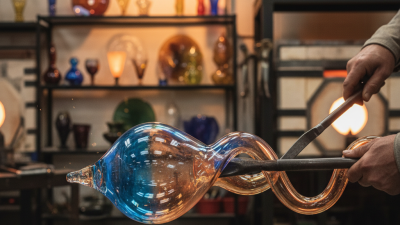
Glass fabrication is an intricate process that combines art and science. Techniques vary widely, yet each has its unique advantages. Common methods include cutting, bending, and laminating. According to a recent industry report, the global glass market is projected to reach $158 billion by 2025, highlighting the significance of efficient fabrication techniques.
Cutting is fundamental in glass fabrication. Various tools, such as diamond blades, are used for precision. The quality of the cut affects the final product. When bending glass, techniques like heat bending allow for creative designs. However, this method can introduce stresses that may lead to breakage if not controlled well.
Laminating involves layering sheets of glass with other materials. This technique enhances safety and thermal performance. Studies indicate that laminated glass products can provide up to 90% UV protection. However, the curing process requires careful monitoring, as improper handling can lead to delamination over time. Effective glass fabrication demands not only technical skill but also a solid understanding of material behavior.
The Best Glass Fabrication Solutions for Global Buyers
| Fabrication Technique |
Process Description |
Applications |
| Glass Cutting |
Precision cutting of glass sheets to desired dimensions using automated machines. |
Windows, Mirrors, Tabletops |
| Laminating |
Bonding layers of glass with PVB or EVA interlayers for safety and insulation. |
Skylights, Safety Glass, Acoustic Glass |
| Tempering |
Heating glass to high temperatures and quickly cooling it to increase strength. |
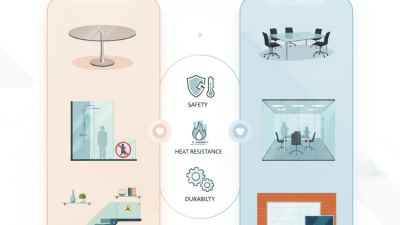
Shower Doors, Curtain Walls, Glass Table Tops |
| Edge Polishing |
Smoothing and finishing the edges of glass pieces for aesthetic appeal and safety. |
Display Cases, Glass Furniture, Decorative Panels |
| Coating |
Applying various coatings for UV protection, anti-reflective properties, or tinting. |
Architectural Glass, Automotive Glass, Solar Panels |
Key Factors to Consider When Choosing Glass Fabrication Solutions
When selecting glass fabrication solutions, several key factors warrant attention. Start with the scope of your project. Assess whether you need custom fabrication or standard sizes. Understand your requirements for strength, thickness, and shape. These specifications play a vital role in determining the right solution.
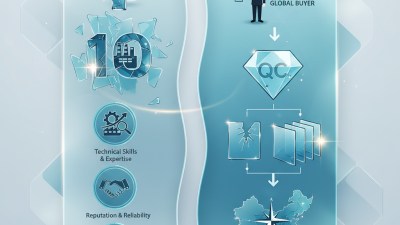
Next, consider the provider's expertise. Look for companies with a strong history in glass fabrication. Review their portfolio. Check if they have handled projects similar to yours. An experienced team ensures that they understand complex requirements. Transparency in their processes can foster trust as well.
Quality control is another critical element. Investigate their manufacturing standards and testing methods. A reliable supplier should prioritize quality checks and adhere to industry standards. Be aware that not all providers maintain the same level of scrutiny. This can affect the durability and safety of the final product. Always demand clarity on material sourcing and handling. A dependable supplier will be willing to share this information.
Top Global Manufacturers of Glass Fabrication Equipment
When it comes to glass fabrication, choosing the right equipment is crucial for global buyers. The market is diverse, with various manufacturers offering innovative solutions. Advanced cutting techniques play a significant role in enhancing precision. Automated systems increase efficiency, driving productivity for businesses worldwide.
Manufacturers focus on sustainability as well. Many introduce eco-friendly practices in their processes. For instance, water recycling systems are increasingly common. This reduces waste and lowers operational costs. Buyers should evaluate these features seriously.
Several manufacturers are leaders in developing cutting-edge technology. However, not every solution fits all needs. Some equipment may lack the adaptability for specific projects. Buyers should carefully consider their requirements. It’s important to remember that flexibility and reliability in production are just as vital as technological advancements. Understanding your unique needs can lead to better investment decisions in glass fabrication equipment.
Innovations in Glass Fabrication Technology for Buyers
Innovations in glass fabrication technology are shaping the future for global buyers. Advanced techniques are enhancing precision and sustainability in the industry. These innovations allow for intricate designs while minimizing waste. As technology evolves, understanding the latest trends is crucial for making informed decisions.
Buyers should consider several factors when selecting fabrication solutions. An important tip is to prioritize suppliers who use state-of-the-art machinery. This can lead to better quality products and faster turnaround times. Additionally, innovative materials like low-iron glass are becoming more popular. These materials can improve clarity and increase energy efficiency.
Another aspect to reflect on is the environmental impact of glass production. Buyers must weigh the benefits of modern fabrication techniques against their carbon footprint. Seeking out suppliers with sustainable practices can be a responsible choice. Keeping an eye on vendor certifications can help ensure reliability and adherence to industry standards.
Sustainability and Environmental Impact of Glass Fabrication Practices
Glass fabrication is a vital industry with a significant environmental footprint. The production process often involves high energy consumption and waste generation. However, many companies are adopting more sustainable practices. They aim to reduce carbon emissions and streamline resource use. These efforts are crucial for minimizing the environmental impact of glass fabrication.
Recycling is a key area of focus. Many manufacturers now incorporate recycled glass into their production. This reduces the need for raw materials and decreases energy used in melting. Yet, the recycling process is not perfect. Contamination and quality control can pose challenges. Therefore, continuous improvement is essential for enhancing efficiency.
Another area of concern is water usage. In some regions, water scarcity is a pressing issue. Manufacturers must find ways to reduce water consumption in their processes. Innovative cooling systems and closed-loop systems offer potential solutions. These methods can drastically cut down on water waste. Nonetheless, implementing such changes requires investment and training, which are often obstacles. Addressing these challenges is vital for a more sustainable future in glass fabrication.


 Phone
Phone Send Email
 whatsapp
 Facebook