Top 10 Glass Fabrication Suppliers in China for Global Buyers?
In the dynamic world of manufacturing, glass fabrication holds a prominent place. China has emerged as a key player in this field. The country offers a vast array of suppliers specializing in glass fabrication. However, not all suppliers are created equal. Some may provide excellent products but lack consistent reliability.
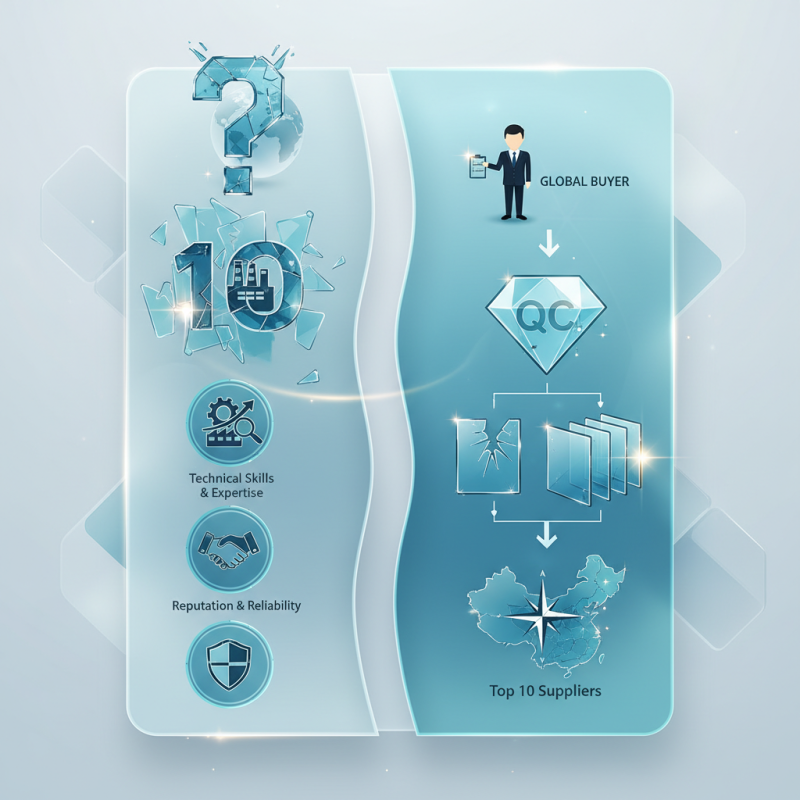
Expertise in glass fabrication is critical for ensuring quality. Global buyers must evaluate suppliers carefully. They should consider their technical skills, production capacities, and reputation. Quality control plays a vital role in this industry. It directly impacts the end product's performance and durability.
Navigating this complex landscape can be daunting. Many buyers find it challenging to identify trustworthy suppliers. In this article, we explore the top 10 glass fabrication suppliers in China. Our selection is based on rigorous analysis, emphasizing experience and reliability. We aim to provide a comprehensive guide for global buyers in search of the finest glass fabrication solutions.
Understanding the Glass Fabrication Industry Landscape in China
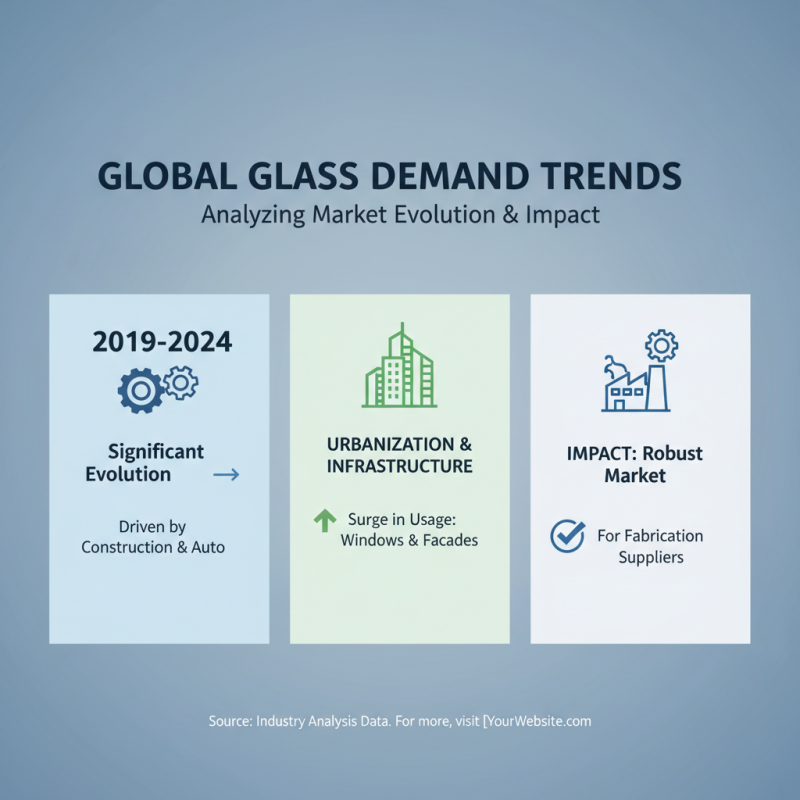
China's glass fabrication industry is vibrant and diverse. It has become pivotal in global supply chains. With advanced technology and skilled labor, China excels in producing various glass products. The market caters to construction, automotive, and retail sectors, reflecting its expansive reach.
The landscape is evolving rapidly. New players enter the market, offering innovative solutions. Quality control remains a challenge, sometimes leading to inconsistencies. Buyers must remain vigilant and do their due diligence before partnering with suppliers. Assessing supplier capabilities is crucial.
Tips: Always request samples before making bulk orders. Verify certifications to ensure quality standards. Stay updated on market trends to find reliable partners. Transparency in communication with suppliers can prevent misunderstandings.
Key Characteristics of Top Glass Fabrication Suppliers in China
Finding reliable glass fabrication suppliers in China can be challenging. The best suppliers often share key characteristics that set them apart. These companies prioritize quality control processes. They employ skilled craftsmen to ensure each piece meets strict standards. Facilities are equipped with advanced technology for precision work. This focus on quality offers peace of mind to global buyers.
In addition to quality, strong communication is vital. Suppliers who provide clear and timely updates build trust with clients. They understand customer needs and are willing to adapt. Reliable suppliers also have a transparent pricing model. Unexpected costs can lead to frustration for buyers. Building a relationship with suppliers based on honesty is essential.
Furthermore, an experienced supplier should demonstrate flexibility. They may face challenges due to fluctuating demand or materials shortages. The ability to navigate these issues indicates resilience. However, it's common for suppliers to face inconsistencies in production schedules. Buyers should be prepared for these realities when choosing a partner. A careful assessment of potential suppliers can ultimately lead to successful collaborations.
Evaluation Criteria for Selecting Glass Fabrication Suppliers Globally
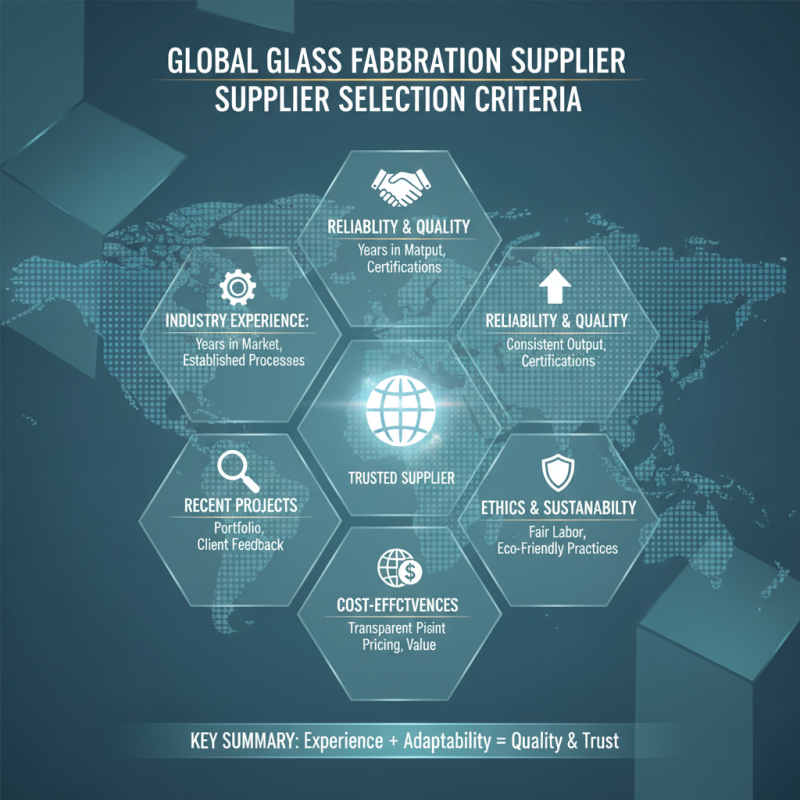
When selecting glass fabrication suppliers, it’s essential to consider several evaluation criteria. Experience in the industry often reflects reliability. Look for suppliers who have been in the market for several years. Their established processes can indicate a commitment to quality and consistency. However, mere longevity isn't always enough. It's important to assess their recent projects and client feedback. A supplier's relevance in the current market can highlight their adaptability.
Quality assurance is another key factor. Evaluate suppliers based on certification and adherence to global standards. Many companies claim to provide high-quality products. Yet, examining their quality control processes can reveal potential weaknesses. Ask for detailed documentation of their processes. This step can help identify suppliers who prioritize quality over quantity. Personal visits to facilities can provide deeper insights, but they are not always feasible.
Cost efficiency is significant but shouldn't be the sole focus. Cheaper options may compromise quality. Consider the value offered in terms of service and product durability. Some companies may excel in customer support but lack competitive pricing. Make sure to weigh all aspects, not just cost. This approach ensures a more informed, balanced decision when choosing the right supplier.
Leading Innovations in Glass Fabrication Technology and Processes in China
China is at the forefront of glass fabrication technology, making significant strides in innovative processes. The country is witnessing a growth rate of around 8% annually in the glass manufacturing sector. This boom is largely driven by advancements in automation and materials science. Recently, digital tools like computer-aided design (CAD) and laser cutting have revolutionized how glass is shaped and processed. Such technologies enhance precision and reduce waste, proving beneficial for both suppliers and clients.
Trends indicate a rising demand for eco-friendly glass solutions. Reports suggest that near 70% of global buyers prioritize sustainability in their purchasing decisions. Manufacturers are increasingly adopting energy-efficient practices. Techniques such as glass recycling and the development of low-emission coatings are becoming standard. Yet, some challenges remain. The integration of these technologies can be costly, potentially requiring time and investment that not all companies can afford.
Tip: Focus on suppliers that are committed to sustainable practices. This not only aligns with market trends but also meets growing environmental demands. Engaging with companies that invest in green technologies can lead to more competitive pricing in the long run. Always check for certifications that validate a supplier's commitment to eco-friendly practices.
Top 10 Glass Fabrication Suppliers in China for Global Buyers
| Supplier Rank |
Annual Revenue (USD) |
Employee Count |
Key Technologies Used |
Main Products |
| 1 |
$500M |
2000 |
CNC Machining, Laser Cutting |
Architectural Glass, Insulated Glass |
| 2 |
$350M |
1500 |
Glass Laminating, Tempering |
Safety Glass, Decorative Glass |
| 3 |
$250M |
1200 |
Automated Cutting, Coating |
Mirror Glass, Anti-reflective Glass |
| 4 |
$200M |
800 |
Glass Etching, UV Bonding |
Frosted Glass, Custom Designs |
| 5 |
$180M |
600 |
Printing, Sandblasting |
Art Glass, Glass Panels |
| 6 |
$160M |
400 |
Cutting-edge Machining, Surface Treatments |
Glass Facades, Shower Doors |
| 7 |
$140M |
350 |
Chemical Toughening, Glass Joining |
Fire-rated Glass, Bulletproof Glass |
| 8 |
$120M |
300 |
Reinforced Laminating, Coating Technologies |
Solar Control Glass, Designer Glass |
| 9 |
$100M |
250 |
Digital Printing, Edging |
Glass Tables, Countertops |
| 10 |
$80M |
200 |
Laser Engraving, Fine Cutting |
Decorative Mirrors, Glass Artworks |


 Phone
Phone Send Email
 whatsapp
 Facebook