Choosing Wall Washer Glass for a global project is rarely a simple finish decision. It affects light distribution, visual comfort, maintenance, and long-term coordination. In hotels, retail spaces, airports, and public interiors, the glass can create a soft, even wash across textured walls. Its surface also becomes part of the architecture, especially when viewers stand only a few steps away. That proximity exposes fingerprints, glare, uneven joints, and color shifts.
Experienced project teams assess more than appearance. They review glass thickness, optical performance, heat tolerance, edge treatment, cleaning access, and compatibility with the selected light source. A small mock-up under the intended LEDs can reveal hotspots that drawings miss. Test it first. It can also show how daylight changes the effect. This practical test is valuable across climates and supply chains. Local fabricators may use different equipment, while installers may interpret tolerances differently. Clear shop drawings, approved samples, and documented inspection points reduce avoidable surprises. Not every specification travels perfectly.
For international work, reliability also depends on traceable materials and realistic service planning. Confirm applicable regional standards with qualified consultants, rather than assuming one approval covers every market. Ask suppliers for technical data, test reports, care instructions, and replacement guidance. Wall Washer Glass should support the lighting concept, not compete with it. It may look refined in a showroom yet perform poorly beside strong daylight. That is an uncomfortable possibility, but it deserves attention. The strongest choice balances design intent, verified performance, local expertise, and future maintenance. Sometimes a simpler glass assembly is the wiser answer.
Wall washer glass is an optical glass element used inside architectural lighting fixtures. It shapes light and spreads it across walls, façades, ceilings, or columns. The glass may use prisms, curves, or fine surface patterns to control beam direction. This helps create more even illumination and reduces bright spots near the fixture.
Not decorative alone.
Its performance depends on thickness, transparency, surface accuracy, and heat resistance. In real projects, designers review photometric data before selecting the glass. They also check color consistency, glare control, and cleaning access. Outdoor applications require careful attention to moisture, wind, temperature changes, and ultraviolet exposure.
Heat-strengthened or tempered glass may be appropriate, depending on the fixture design and local safety requirements.
A small mistake matters. Condensation can weaken performance and stain the optical surface over time.
For global projects, wall washer glass must suit different climates, installation methods, and regulatory expectations. A solution tested in a dry indoor environment may behave differently near a humid coast or in a freezing region.
Clear drawings should identify glass dimensions, edge treatment, fixing methods, and replacement procedures. Field teams often find that maintenance space is underestimated. It is easy to focus on the first lighting effect and overlook future access.
That limitation deserves honest review before production.
Reliable results come from samples, measured mock-ups, and documented quality checks rather than appearance alone.
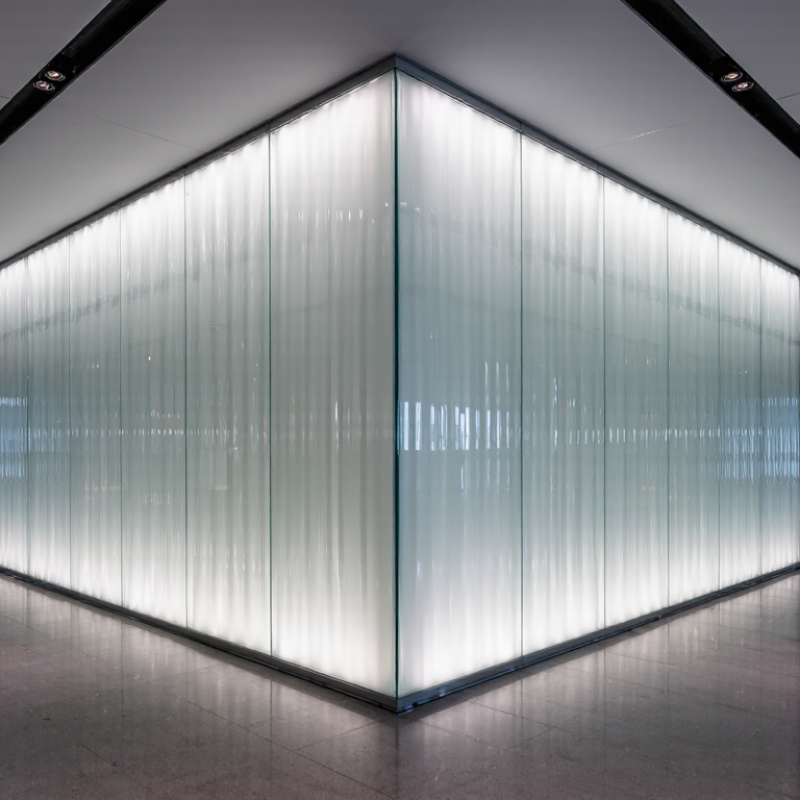
Wall washer glass combines patterned or textured glass with carefully positioned lighting. The light source sits near a wall, ceiling edge, or façade frame. Its beam spreads across the surface instead of creating one bright point. This produces a softer visual layer for lobbies, retail interiors, transit spaces, and building exteriors.
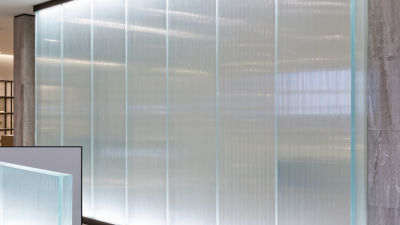
Glass texture controls the result. Fine patterns can scatter light evenly, while deeper relief creates stronger shadows. Laminated layers may also improve safety, sound control, and visual privacy. In a recent design review, a small change in fixture distance altered the brightness noticeably. Mock-ups matter.
Global projects require more than attractive illumination. Designers should test glass samples under the project’s actual light color and viewing distance. Photometric studies can identify hot spots, dark edges, and excessive glare. Local energy requirements, fire performance rules, wind conditions, and maintenance access also influence the specification.
Climate changes the details. Dusty environments may need smoother surfaces and simpler cleaning access. Humid locations require careful sealing around frames and electrical components. Cold regions may demand stronger thermal coordination between glass, supports, and the building envelope. Color can shift under daylight, especially when warm artificial light is added.
The method is flexible, but not perfect. Light loss through textured glass can increase energy demand if it is ignored. A reflective wall may also produce unwanted brightness. Experienced teams verify the design through samples, calculations, and on-site aiming before installation. That practical step often prevents expensive corrections later.

Wall washer glass helps distribute light evenly across vertical surfaces. It can soften harsh LED points and reduce distracting hotspots. In international projects, this visual control supports museums, hotels, offices, and public interiors. Clear, frosted, textured, or tinted finishes create different levels of transparency. The right surface depends on the wall material, viewing distance, and required brightness.
Good specification begins with measurable performance. Designers should review light transmission, diffusion, color consistency, thermal resistance, and impact performance. Glass thickness also affects weight, framing, transport, and installation methods. In humid coastal areas, sealed edges and suitable hardware deserve careful attention. In colder regions, temperature changes may expose weak joints or poor tolerances.
Small details matter.
On site, installers need accurate drawings and predictable dimensions. Replacement access should be considered before the ceiling or wall is closed. International teams must also check local safety requirements, fire classifications, electrical coordination, and documentation expectations. These requirements differ between countries, so one specification cannot fit every project. Wall washer glass is not maintenance-free, either. Dust, fingerprints, and uneven cleaning can alter the perceived light pattern. A carefully tested sample is valuable, although even a sample may not fully represent the final space. Lighting, wall color, and surrounding daylight can still change the result.
Why Choose Wall Washer Glass for Global Projects?
Common Applications Across Commercial and Public Spaces
Wall washer glass helps distribute daylight across vertical surfaces, rather than concentrating it near windows. This makes it useful in offices, retail interiors, hotels, transit halls, libraries, and civic buildings. In a reception area, soft light can reveal textured walls without harsh reflections. In a corridor, it can reduce the enclosed feeling created by long, artificial-lit surfaces.
The 2023 Global Status Report for Buildings and Construction reports that buildings consumed about 30% of global final energy in 2022. It also links the sector to approximately 26% of energy-related emissions. Better daylight distribution cannot solve this alone. However, it can support lower lighting demand when paired with efficient controls and suitable glazing design. In my project experience, the strongest results come from testing glass samples beside real wall finishes. White paint, stone, and darker materials behave very differently. This detail is easy to underestimate.
Tips: Specify the glass with climate data, viewing angles, and maintenance access in mind. Check glare at morning and afternoon hours. Confirm thermal, safety, and fire requirements with local specialists. A mock-up is wiser than a beautiful assumption. Wall washer glass may also show dust, uneven framing, or unexpected shadows. That imperfection deserves attention before global installation.
Common applications across commercial and public spaces
Wall washer glass is commonly used where vertical surfaces, architectural details, displays, and circulation areas need balanced illumination with controlled glare. The chart compares typical maintained illuminance targets used during lighting design for representative commercial and public-space applications. Actual values vary by local standards, room geometry, surface reflectance, daylight, and the required visual task.
Selecting wall washer glass starts with the lighting target, not appearance. Define wall height, viewing distance, beam spread, and required uniformity. A narrow beam may create bright stripes on textured stone. Diffused glass produces softer light but can reduce peak output.
The U.S. Department of Energy reports that LED lighting uses at least 75% less energy than incandescent lighting and can last up to 25 times longer. Glass should support that efficiency. Specify visible transmittance, haze, and surface treatment together. Low-iron glass can improve color clarity, while etched or patterned glass can hide LED points. Always request photometric testing under the actual glass assembly.
Energy matters globally. The International Energy Agency reports that buildings consume about 30% of final energy worldwide. Choose glass with suitable thermal performance for exterior or semi-exterior locations. Laminated safety glass, edge protection, and resistance to humidity also deserve attention. In coastal areas, salt exposure can reveal weak seals quickly.
A physical mock-up is essential. Review it at night, from the intended viewing distance. Check hot spots, glare, cleaning marks, and color consistency. I have seen attractive samples fail after installation. The overlooked detail was maintenance access. Project teams should also verify compliance with local safety, impact, fire, and electrical requirements. One specification rarely fits every climate.