Top 10 Lighting Glass Suppliers for Global Buyers
Lighting Glass shapes more than a fixture’s appearance. It affects how light spreads across a room, how a surface feels to the touch, and how well a product performs over time. As architect Louis Kahn put it, “The sun never knew how great it was until it hit the side of a building.” His observation captures a useful design truth: light and material work together. For global buyers, that relationship makes supplier selection a technical decision, not merely a search for attractive samples.
This guide to the Top 10 Lighting Glass Suppliers for Global Buyers considers practical factors such as glass type, optical clarity, dimensional consistency, finishing options, production capacity, and communication. A clear sample can look convincing on a desk, yet reveal uneven diffusion when installed in a large pendant. Small details matter. Ask suppliers how they manage tolerances, protect fragile edges during packing, and verify repeat orders against approved samples. These questions help buyers compare capabilities, not just catalog photographs.
The list is a starting point, not a guarantee of fit. Supplier capabilities, lead times, and product ranges can change, and a strong match depends on the project’s specifications. Some comparisons may remain imperfect. That is worth admitting. A hospitality project may prioritize warm diffusion and custom shapes, while a commercial installation may need reliable volume and consistent color. Use the profiles to build a shortlist, then confirm technical details directly before placing an order.

What Lighting Glass Is and Where It Is Used
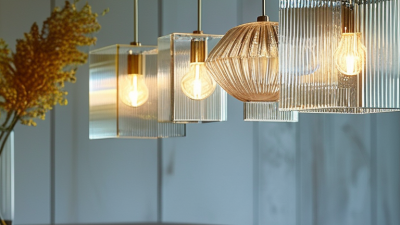
Lighting glass is glass shaped or finished to control how a fixture produces light. It may be clear, frosted, opal, textured, or colored. It shapes light. A clear cover reveals the bulb and preserves a crisp beam. Frosted glass softens glare, while opal glass spreads light more evenly across a room. Patterned surfaces can add visual texture, though they may create uneven shadows.
You will find lighting glass in pendant lamps, ceiling fixtures, wall sconces, desk lamps, and outdoor lanterns. It can serve as a shade, diffuser, protective cover, or decorative panel. In a kitchen pendant, for example, a frosted globe can soften a bright source above a table. In a hallway, a textured cover may scatter light across nearby walls. The right choice depends on the fixture’s heat, shape, and intended light distribution.
Material and finish matter. Some applications use tempered glass for added impact resistance, while others require glass suited to repeated heating and cooling. Check the fixture’s specifications rather than assuming one type fits every use. A sample can look perfect on a desk and disappoint once illuminated; daylight, bulb color, and viewing angle all change its appearance. Even experienced buyers can overlook that detail.
How to Evaluate Lighting Glass Suppliers Worldwide
Evaluating lighting glass suppliers worldwide requires more than comparing prices. Ask for material specifications, thickness tolerances, edge-finish details, and documented inspection criteria. Then compare samples under the same lighting conditions. Look for color variation, bubbles, scratches, and uneven edges. Small details matter. If the glass will face heat or repeated temperature changes, discuss relevant testing for the intended fixture. Request test reports, and check their dates, scope, and connection to the product you plan to buy. A certificate alone may not answer every practical question.
Review how the supplier controls production and handles defects. Can each batch be traced? Are changes to materials or processes communicated before shipment? Ask about protective packaging, shipping damage records, production capacity, and realistic lead times. A clear answer is useful; a specific example is better. I would not treat a polished showroom sample as proof of consistent bulk quality. A pilot order can reveal differences, though it cannot predict every shipment. Time-zone delays and vague replies can also complicate a project, even when the glass itself is good.
Top 10 Lighting Glass Suppliers: How to Evaluate Suppliers Worldwide
Suggested weighting for comparing suppliers across quality, technical capability, delivery, and service.
Use these weights as a buyer’s scorecard, not as market survey results. The suggested weights total 100%; adjust them to reflect your product requirements and sourcing priorities.
Profiles of 10 Lighting Glass Suppliers for Global Buyers
Lighting glass suppliers differ in materials, forming methods, and order scale. These ten profiles highlight what global buyers can examine.
A custom-molded supplier supports unusual shades and repeatable dimensions; ask for tooling costs.
A borosilicate specialist offers glass suited to heat exposure, but confirm the limits for your fixture.
A pressed-glass producer handles textured panels and familiar shapes. Check edge quality under direct light.
An artisan workshop makes hand-blown pieces with visible variation. That character may not suit every project.
An optical-glass supplier focuses on controlled transmission and clarity; request sample measurements.
A diffuser maker develops frosted surfaces to soften glare. Compare samples beside the intended light source.
A recycled-glass supplier can share information about material composition and batch variation.
An architectural supplier handles larger panes, where packaging deserves close attention.
A small-batch studio may welcome prototypes, though capacity can be limited.
An export-oriented supplier may coordinate packing and shipping documents; details still need review.
Ask each supplier about lead times, inspection steps, and breakage procedures. Samples help, but they cannot reveal every production issue. I would not choose on price alone. One overlooked dimension can delay installation.
Comparing Suppliers by Products, Capabilities, and Markets
A useful comparison of ten lighting glass suppliers should begin with product range. Some focus on pressed glass shades, while others handle blown forms, covers, lenses, or custom profiles. Ask whether their catalog includes your required dimensions, surface finishes, and light-transmission levels. A sample with a warm, even glow tells you more than a product photograph. Small details matter.
Production capability separates a capable supplier from a suitable one. Review furnace capacity, mold availability, forming methods, edge finishing, and inspection procedures. Request sample measurements and clarify how defects are recorded. A supplier may offer excellent custom work but have limited capacity for repeat orders. That trade-off is easy to miss. Ask about typical lead times, minimum order quantities, packaging, and experience shipping fragile goods to your market. Export experience can help with documentation and protective packing, but confirm the details for your route.
Market fit also depends on standards and communication. Suppliers serving architectural projects may prioritize consistent batches and documented testing. Those focused on decorative lighting may offer more shapes and finishes. Compare response times, technical drawings, and willingness to explain limitations. A clear answer is useful; a perfect promise is not. This ranking can only be a starting point, since production quality varies by product and order. Before committing, test representative samples under the actual lamp source and inspect them after transit.
Key Steps for Sourcing Lighting Glass Across Borders
When sourcing lighting glass across borders, define the part before comparing suppliers. Share a drawing with dimensions, thickness, edge finish, tint, and heat requirements. Include the fixture’s operating conditions; a shade near a hot bulb may need different glass from a decorative cover. Small details matter.
Request physical samples from shortlisted suppliers and assess them under the lighting they will face. Check color consistency, surface marks, edge quality, and fit against the actual fixture. Agree on acceptable tolerances in writing. “Clear” can mean different things. A signed sample helps, but it does not replace inspection of production batches.
Confirm minimum order quantities, production time, payment terms, and shipping responsibilities before placing an order. Ask how each piece will be separated and cushioned; glass can arrive with chipped edges even when the outer carton looks fine. Clarify who arranges freight, insurance, and export documents, then check destination requirements with a qualified local professional. Build in time for customs delays and replacement parts. Allow a little extra time. Remote quality checks are imperfect, and photos can hide flaws. Keep records of specifications, sample approvals, packaging instructions, and any agreed remedies, so both sides can resolve problems using the same details.


 Phone
Phone Send Email
 whatsapp
 Facebook