Top 5 Cover Glass Options for POS Terminals: Durability and Performance
In the fast-evolving world of point-of-sale (POS) systems, the importance of selecting the right cover glass for POS terminals cannot be overstated. Cover glass not only serves as a protective barrier against wear and tear but also plays a crucial role in enhancing user experience, ensuring readability, and maintaining aesthetics. As businesses increasingly rely on these terminals for streamlined transactions, the durability and performance of the cover glass have become paramount considerations.
This article explores the top five cover glass options available for POS terminals, each catering to various operational needs and environments. From scratch resistance to glare reduction, the right choice can significantly influence the longevity and functionality of the POS system. By understanding the unique properties of different cover glass materials, businesses can make informed decisions that bolster the resilience of their terminals while also optimizing customer interaction and satisfaction.
Ultimately, understanding the nuances of cover glass for POS terminals is essential for businesses looking to enhance their technology investment. The right choice not only safeguards the hardware but also supports seamless operation, making it a vital component in the landscape of modern retail and service environments.
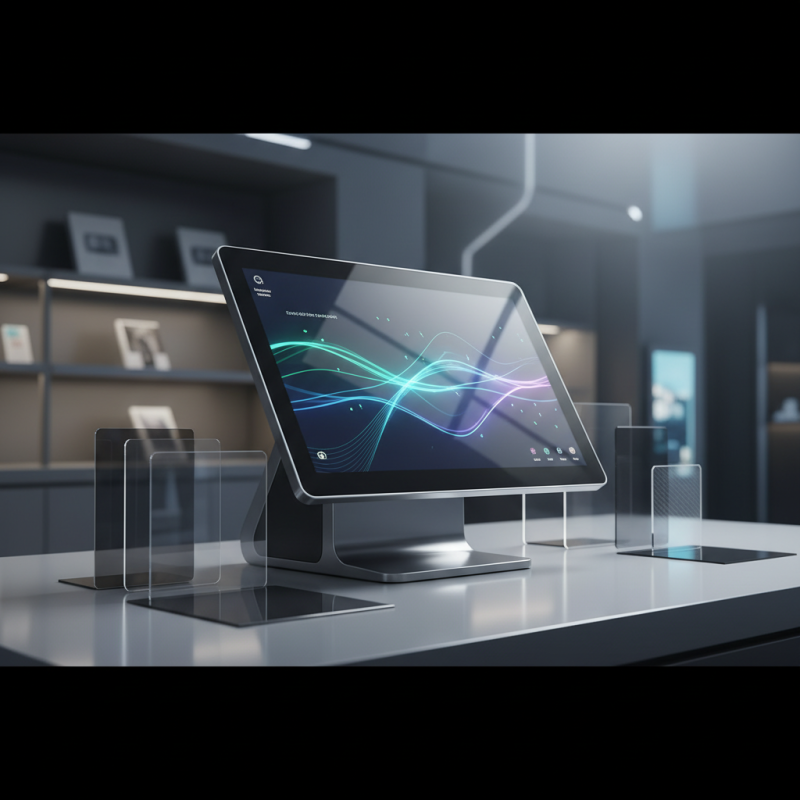
Top 5 Cover Glass Options for POS Terminals: An Overview
When selecting cover glass for point-of-sale (POS) terminals, durability and performance are paramount considerations. The nature of POS environments means that the cover glass must withstand frequent handling, potential drops, and various environmental factors without compromising visibility and touch responsiveness. The right material can significantly enhance the user experience, reduce maintenance costs, and extend the lifespan of the device.
Several options exist, each offering unique advantages. Tempered glass is renowned for its strength and resistance to scratching, providing a reliable shield against accidental impacts. On the other hand, chemically strengthened glass offers excellent clarity and touch sensitivity while maintaining robust durability. For terminals that face extreme conditions, specialty coatings can be applied to reduce glare and improve readability, ensuring that users can interact with the terminal efficiently, even under challenging lighting conditions.
In summary, the various cover glass options available for POS terminals provide essential features tailored to different operational needs. The choice of material affects not only the durability and performance of the terminals but also the overall functionality and customer experience, making it crucial to select the most suitable cover glass for each specific application.
Top 5 Cover Glass Options for POS Terminals: Durability and Performance
| Cover Glass Type |
Durability Rating |
Thickness (mm) |
Weight (g) |
Cost per Unit ($) |
| Tempered Glass |
9/10 |
2.0 |
300 |
10.00 |
| Gorilla Glass |
9.5/10 |
1.8 |
280 |
15.00 |
| Anti-Reflective Glass |
8/10 |
2.5 |
320 |
12.00 |
| Laminated Glass |
8.5/10 |
3.0 |
350 |
18.00 |
| Polycarbonate |
7/10 |
2.8 |
400 |
5.00 |
Characteristics That Define Durability in POS Terminal Glass
When selecting cover glass for Point of Sale (POS) terminals, durability is a crucial factor that significantly impacts the device's lifespan and performance. One of the primary characteristics that define durability is the hardness of the glass. This property helps the glass resist scratches and abrasions that can occur during daily use in busy retail environments. Higher hardness ratings, measured on the Mohs scale, indicate superior scratch resistance, making it essential for POS terminals that are frequently touched by customers and staff alike.
Another vital characteristic is the glass's ability to withstand impact. Toughened or tempered glass is often preferred because it undergoes a specialized heating and cooling process that increases its strength. This process allows the glass to absorb shocks and resist breakage when dropped or subjected to excessive force. Furthermore, the thickness of the glass also plays a significant role in its durability. Thicker glass tends to offer better resistance to both impact and environmental factors, such as temperature fluctuations and moisture, ensuring the POS terminals remain functional and visually appealing over time.
Evaluating Performance Factors for Cover Glass in POS Systems
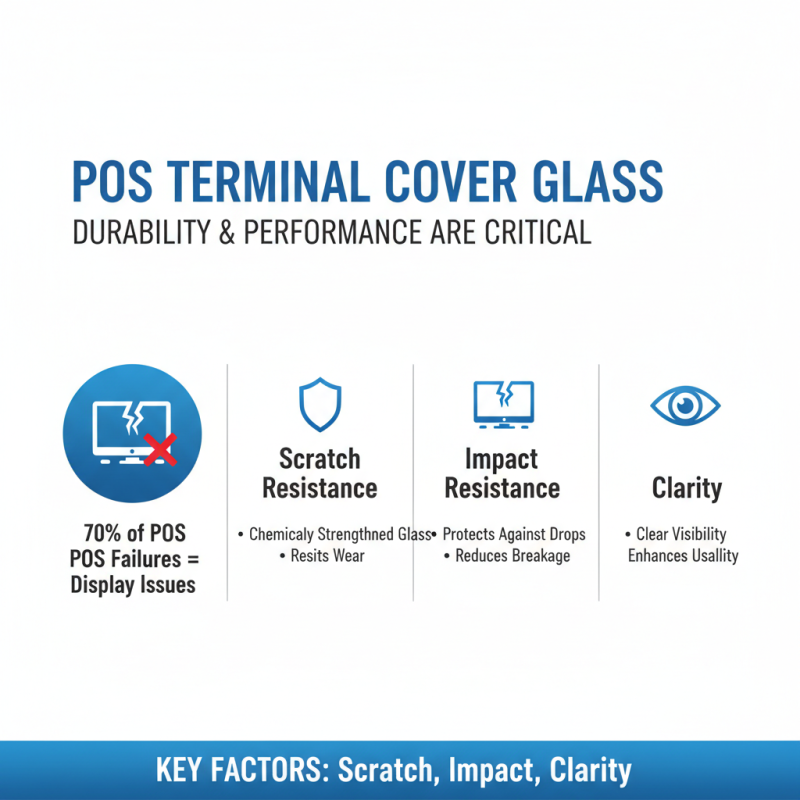
When evaluating cover glass options for POS terminals, durability and performance are critical factors that can significantly impact usability and customer satisfaction. A recent industry report indicates that nearly 70% of POS system failures are linked to issues with displays, making the choice of cover glass a crucial consideration. Key performance factors include scratch resistance, impact resistance, and clarity. For instance, chemically strengthened glass typically offers higher scratch resistance compared to standard glass, reducing the risk of wear over time.
Tips: When selecting cover glass for POS systems, consider materials that have undergone rigorous testing for shock and drop resistance. Additionally, opting for anti-reflective coatings can improve visibility and reduce glare in brightly lit environments, enhancing the overall user experience.
Another vital performance factor is the glass's thermal stability; fluctuations in temperature can affect functionality. Materials like Gorilla Glass or aluminosilicate glass can withstand extreme temperatures and resist breakage, ensuring long-term durability. Reports suggest that POS terminals equipped with high-performance cover glass can last up to 40% longer, decreasing overall maintenance costs.
Tips: Invest in regular assessments of your POS system’s wear and tear, and consider upgrading to newer glass technologies as they become available to keep your equipment running smoothly.
Comparative Analysis of the Five Best Cover Glass Choices
When selecting cover glass for Point of Sale (POS) terminals, durability and performance are paramount considerations. A recent industry report indicates that the global demand for durable cover materials, particularly in retail environments, has surged by over 25% in the last two years. This growth can be attributed to the increasing need for devices that can withstand frequent use and potential impacts in high-traffic areas. Toughened glass, for example, exhibits a higher resistance to scratches and thermal shocks compared to standard glass, ensuring that the POS terminals remain operational and visually appealing.
In a comparative analysis of cover glass options, it is critical to assess not only physical durability but also performance characteristics such as clarity and touch sensitivity. Reports highlight that Gorilla Glass and chemically strengthened options can enhance touch responsiveness by approximately 15%, thereby improving user experience. Moreover, the latest luminescence tests reveal that some high-performance glasses transmit up to 90% of light, significantly reducing glare and improving readability under various lighting conditions. These advancements make specific cover glass types more appealing for businesses aiming to enhance operational efficiency while maintaining aesthetic standards in their customer-facing technologies.
Top 5 Cover Glass Options for POS Terminals: Durability and Performance
Maintenance Tips for Keeping POS Terminal Glass in Peak Condition
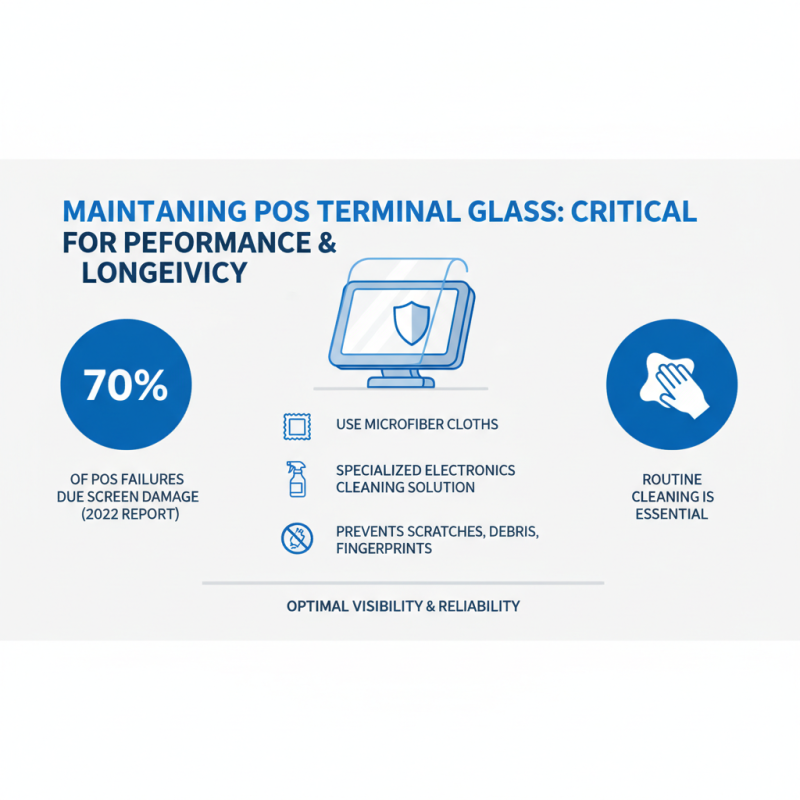
Maintaining the glass on POS terminals is critical for ensuring optimal performance and longevity. According to a 2022 report by the International Retail Association, nearly 70% of POS terminal failures can be attributed to screen damage and improper maintenance. To keep your terminal glass in peak condition, routine cleaning is essential. It is recommended to use microfiber cloths and a solution specifically designed for electronics to prevent scratches and buildup of debris or fingerprints that can impair visibility.
Additionally, protecting the glass from environmental hazards can significantly extend its lifespan. Studies show that POS terminals located in high-traffic areas are 50% more likely to sustain damage due to accidental impacts or spills. Employing tempered glass screens can enhance durability; it's proven that screens with this type of treatment can withstand up to 5 times more pressure than untreated glass. Furthermore, incorporating protective covers or screens can mitigate the effects of daily wear and tear, ensuring that the terminals remain functional and aesthetically pleasing for longer periods. Regular inspections for cracks or chips should also be part of your maintenance routine, as minor issues can escalate quickly and lead to equipment failure.


 Phone
Phone Send Email
 whatsapp
 Facebook