inquiry
Leave Your Message

Top 10 Glass Lens Manufacturers in China for Global Buyers

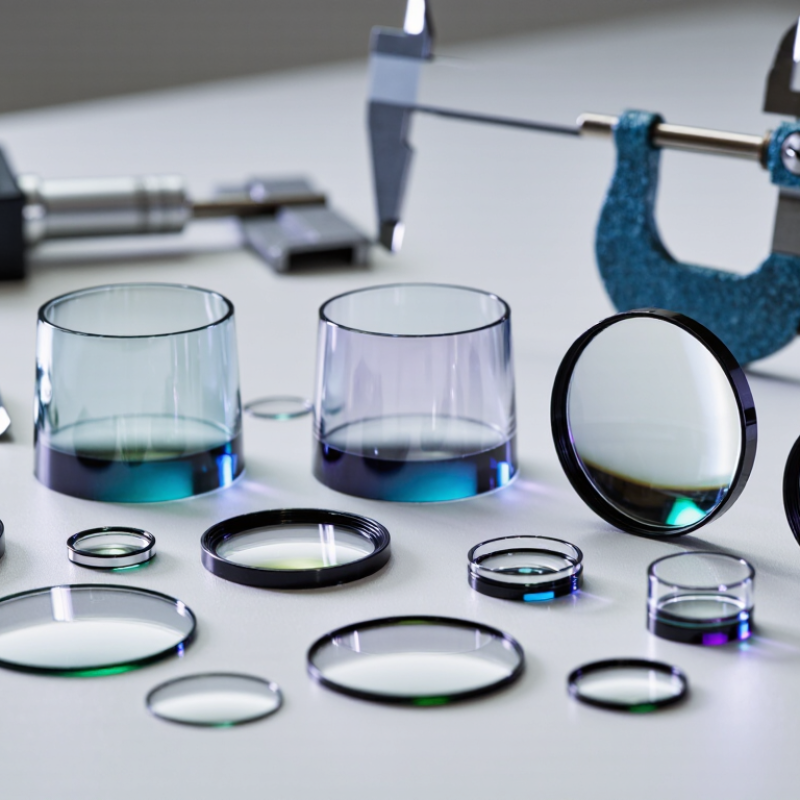
China is an important sourcing destination for optical components, but choosing a manufacturer requires more than comparing prices. This guide introduces ten Chinese Glass Lens manufacturers for global buyers and outlines practical points to consider before requesting a quote. A polished product photo is useful, but it cannot show edge quality, coating consistency, or how a lens performs in an assembled device. Details matter.

The companies in a shortlist should be assessed against the buyer’s actual needs: lens material, diameter, focal length, tolerances, coatings, production volume, and intended application. Ask for current specifications, sample availability, inspection procedures, and clear information about lead times. Where possible, compare samples under the same lighting and measurement conditions. A low unit price may look attractive, yet rework, packaging, or shipping can change the real cost. Not every supplier fits.

This article is intended as a starting point, not an endorsement or guarantee of performance. Capabilities and product ranges can change, and published information may not answer every technical question. Buyers should verify claims directly, review relevant quality documentation, and confirm that the proposed lens meets their project requirements. That takes time. A careful conversation with a technical contact can reveal more than a catalogue alone. No list is final. Use these profiles to build a focused supplier inquiry, then make the decision based on evidence, samples, and transparent communication.

Top 10 Glass Lens Manufacturers in China for Global Buyers

Understanding China’s Glass Lens Manufacturing Industry

China’s glass lens manufacturing industry combines material preparation, precision shaping, polishing, and inspection. A typical production line may begin with glass blanks, then move through grinding and polishing to achieve the required curvature. Even a faint scratch near the edge can affect acceptance, so visual checks remain important.

Factories vary in their equipment, technical focus, and ability to handle custom specifications. Some specialize in optical components, while others serve lighting, imaging, or industrial applications. Buyers should ask how suppliers measure surface accuracy, thickness, and optical performance. Requesting sample pieces can reveal issues that a specification sheet may not show. Feel the edge. Look closely.

Coatings and final inspection add further complexity. Clean handling matters, since dust or fingerprints can compromise a coating process. It is also useful to clarify tolerances, packaging methods, and how defects are documented before placing a large order. A low quoted price may not reflect the cost of tighter quality controls or extra inspection. I would not assume that every factory uses the same definition of “acceptable”; that detail deserves a clear conversation.

How the Top 10 Manufacturers Were Selected

To assess glass lens manufacturers for global buyers, use consistent evidence rather than polished catalogues alone. Compare lens types, material options, tolerances, coating capabilities, and stated production capacity. Then check whether technical data sheets explain measurement methods and acceptable variation. Practical quality indicators matter: inspect sample edges for chips, compare coating uniformity under angled light, and verify dimensions with suitable gauges. Ask how defects are recorded and whether batches can be traced. Numbers can mislead. Treat a capacity figure as a claim until supporting records or a factory review confirm it. Selection should also consider export experience, communication clarity, sample lead times, and the completeness of inspection documents.

Tips: Request samples from the same production process used for bulk orders. Ask for inspection records, not just a verbal assurance. Keep your drawing, tolerance requirements, and acceptance criteria in writing.

No public ranking can confirm every factory’s current performance. Information may be incomplete, and a strong sample does not guarantee consistent volume production. Buyers should verify certificates with their issuers and clarify who performs each inspection. I would also question whether low prices reflect efficient production or reduced testing; the answer is not always obvious. A fair shortlist states its criteria, notes evidence gaps, and avoids presenting estimates as verified facts.

Top 10 Glass Lens Manufacturers in China for Global Buyers

How the Top 10 Manufacturers Were Selected

The chart shows an illustrative editorial weighting for comparing manufacturers, not measured company scores. Criteria reflect common buyer considerations: lens range, optical quality and quality assurance, production capability, export readiness, and customization. Verify each supplier’s specifications and credentials independently.

Profiles of 10 Glass Lens Manufacturers in China

These ten anonymized profiles represent different supplier strengths, not a verified ranking. Profile 1 focuses on precision grinding for tight dimensional tolerances. Profile 2 serves buyers seeking molded glass optics for repeat orders. Profile 3 emphasizes custom designs and prototype runs. Profile 4 works with optical glass grades for imaging applications. Profile 5 specializes in coated lenses, where coating uniformity deserves close inspection. Profile 6 offers small components for sensors and instruments. Profile 7 appears suited to larger production volumes, but capacity should be confirmed with recent records. Details matter.

Profile 8 highlights inspection processes, including checks for surface marks, diameter, and focal length. Profile 9 may fit projects needing several lens shapes from one supplier. Profile 10 is a potential choice for export-oriented purchasing, where packaging and clear documentation matter. These descriptions are starting points, not endorsements. Ask for evidence. Buyers can request sample lenses, material certificates, measurement reports, and production timelines before comparing quotations. A polished sample does not guarantee consistent batches; that point is easy to overlook. Compare the supplier’s stated tolerances with your drawing, and clarify how defects are handled. Communication quality also matters: vague answers about inspection or lead times can become costly once production begins.

Comparing Product Ranges, Capabilities, and Certifications

A useful comparison of China’s top glass lens manufacturers should begin with product range, not catalog size. Check whether each supplier makes spherical, aspheric, plano, or custom lenses, and confirm available glass types, diameters, coatings, and tolerances. A sample drawing may show a 25-millimeter lens with a stated surface accuracy; ask how that specification is measured. Small details matter. A broad range is valuable only when it matches your optical design and production volume.

Compare capabilities through evidence: sample inspection reports, production equipment, process controls, and the ability to repeat results across batches. Ask about lead times for prototypes and routine orders. Certifications such as ISO 9001 can indicate a documented quality system, but verify the certificate’s validity, issuing body, and covered site. It does not prove that every lens meets your requirements. A polished catalog can still leave unanswered questions, and buyers should not assume otherwise. Request representative samples and compare measurements against your own acceptance criteria.

Tips: Send the same specification to each candidate. Ask for tolerances, inspection methods, and certification scope in writing. Keep one question open: what might change between sample approval and mass production?

How Global Buyers Can Evaluate Suppliers and Manage Sourcing

When comparing glass lens manufacturers in China, evaluate the production process, not just the quoted price. Ask for drawings that define refractive index, diameter, thickness, surface accuracy, and allowable tolerances. Request samples from the same process intended for bulk production. Check them under consistent lighting and measure critical dimensions with suitable instruments. Small differences matter.

A capable supplier should explain how it controls polishing, coating, inspection, and batch traceability. Ask to see inspection records and how defects are handled, rather than relying on a polished presentation. If possible, arrange a factory visit or an independent audit. A certificate can be useful, but it does not prove that every lens meets your requirements. Even good reports have limits.

Manage sourcing with a written specification, approved sample, and clear acceptance criteria. Place a pilot order before committing to larger volumes, then compare delivered lenses with the approved sample. Confirm packaging protects edges and coated surfaces during transit, and agree on production lead times and remedies for nonconforming goods. Keep communication in writing. This sounds cautious, perhaps even slow. Yet rushing a lens order can cost more than a few extra checks. Supplier performance can also change, so review it over time.

Top 10 Glass Lens Manufacturers in China for Global Buyers - How Global Buyers Can Evaluate Suppliers and Manage Sourcing

Supplier evaluation framework—not a verified ranking of specific manufacturers. Confirm all supplier claims and product requirements directly.

No. Evaluation Dimension What to Request How to Assess It Why It Matters to Global Buyers
1 Product and application fit A product list identifying lens type, intended application, dimensions, and available customization. Check that the supplier’s actual product scope matches the drawing, sample, or application requirements. “Glass lens” covers products with different designs and uses; application fit should be established before price comparison.
2 Glass material and traceability Material specifications, relevant batch records, and details of any material substitutions. Compare the documented material properties with the buyer’s approved specification and retain sample or batch references. Material differences can affect optical, thermal, chemical, and manufacturing performance.
3 Optical and dimensional specifications A drawing or specification covering applicable optical properties, dimensions, tolerances, and inspection methods. Agree on measurable acceptance criteria before sampling; verify that inspection methods match the specified characteristics. Clear, measurable requirements reduce interpretation differences and disputes over acceptance.
4 Coatings and surface treatment Available coating options, process details, inspection criteria, and relevant performance-test reports. Confirm coating requirements for the end use and evaluate samples against agreed appearance and performance criteria. Coatings can change lens performance and may require separate process controls and testing.
5 Manufacturing capability A process overview, equipment and capability information, and an explanation of which operations are performed in-house or subcontracted. Match process capability to the part’s geometry, finish, volume, and tolerance requirements; clarify responsibility for subcontracted steps. Understanding the production route helps buyers assess capacity, process control, and supply-chain dependencies.
6 Quality management and inspection Quality procedures, inspection records, nonconformance handling, and any current management-system certificates relevant to the scope. Check certificate scope and validity where applicable, and review sample inspection records and corrective-action examples. A documented quality process supports consistent production, but certificates do not replace product-specific verification.
7 Testing and compliance evidence Test reports or declarations required for the destination market and intended application. Confirm that the document applies to the exact product, material, and market; verify applicable requirements with qualified compliance advisers. Regulatory and testing requirements vary by product and destination, so generic claims may not establish compliance.
8 Sampling and change control A sample plan, approval procedure, and written process for notifying buyers of changes to materials, processes, or production sites. Approve a representative sample and define when requalification or written approval is required. Controlled changes help keep mass production aligned with the approved sample and specification.
9 Lead time, capacity, and order terms Written quotations stating MOQ, sample and production lead times, capacity assumptions, payment terms, and quotation validity. Compare like-for-like specifications and quantities; confirm timelines and responsibilities in the purchase agreement. Transparent terms make total sourcing costs and delivery commitments easier to plan.
10 Packaging, shipping, and communication Packaging proposals, shipping documentation examples, export-term assumptions, and named contacts for order and quality issues. Review packaging suitability for fragile goods, agree shipping responsibilities, and assess response quality during the quotation and sampling stages. Clear logistics and communication arrangements help prevent avoidable damage, delays, and handoff problems.