2026 How to Choose Cover Glass for Industrial PC Applications?
Choosing the right cover glass for industrial PC applications is crucial in today's technology-driven world. The right material can enhance durability and improve performance. According to a report by MarketsandMarkets, the global industrial PC market is projected to reach $5.6 billion by 2026. This growth emphasizes the need for robust components like cover glass.
Cover glass for industrial PC serves multiple purposes. It protects screens from harsh environments while ensuring visibility. With industrial PCs being used in factories and outdoor settings, the choice of cover glass impacts overall functionality. Research indicates that tempered glass is favored for its strength and scratch resistance, offering peace of mind in demanding applications.
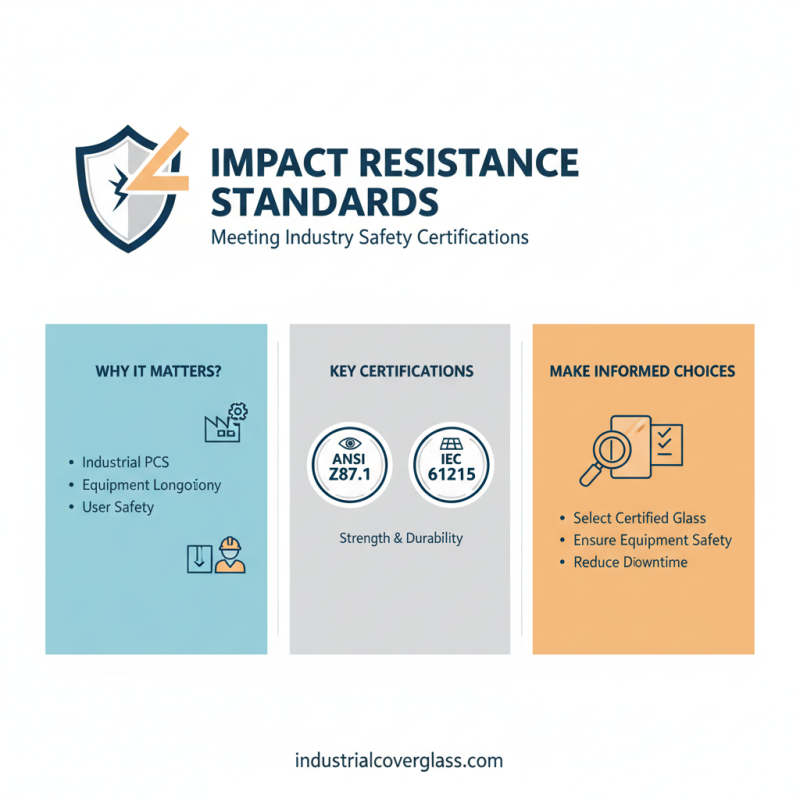
Selecting the wrong cover glass could lead to increased costs and downtime. It is vital to consider factors like thickness, optical clarity, and environmental resistance. Evaluating supplier certifications can provide insights into reliability. Despite advancements, the choices available can be overwhelming. Making informed decisions is key to optimizing performance in industrial settings.
Factors to Consider When Selecting Cover Glass for Industrial PCs
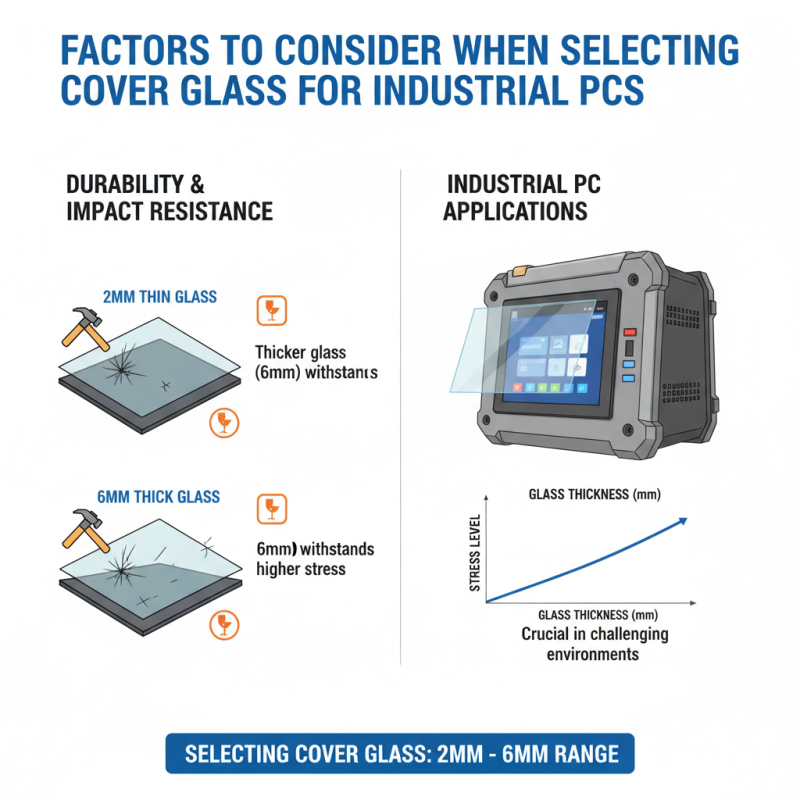
When selecting cover glass for industrial PC applications, several key factors should be taken into account. The thickness of the glass, for instance, directly influences durability and impact resistance. Reports from industry experts indicate that thicker cover glass can withstand higher stress levels, which is crucial in challenging environments. Typically, glass thickness ranges from 2mm to 6mm for industrial PCs.
Another important consideration is optical clarity. The right cover glass should maintain high transmission rates to ensure visibility. According to a recent study, cover glass with a transmittance over 90% ensures minimal visual distortion. This clarity is essential for operators who rely on precise visuals for effective monitoring and control.
Environmental factors should also be considered. Cover glass must be resistant to extreme temperatures, humidity, and exposure to chemicals. Some materials may perform well in specific industries but fail in others. For example, certain coatings can enhance scratch resistance but may not stand up to certain solvents. Regular evaluation of glass performance against these environmental challenges can lead to better long-term results.
Understanding the Types of Cover Glass: Tempered vs. Laminated Options
When selecting cover glass for industrial PC applications, understanding the types available is essential. Tempered glass is a popular choice due to its strength. It undergoes a heating and cooling process that increases its durability. This type of glass can withstand high temperatures and is less likely to shatter. However, when it breaks, it shatters into small, harmless pieces, which can be a concern in some environments.
Laminated glass, on the other hand, consists of multiple layers. It features a layer of polyvinyl butyral (PVB) sandwiched between two pieces of glass. This design keeps the glass intact even when broken, minimizing hazards. Its ability to block harmful UV rays adds another layer of protection. However, laminated glass can be heavier and more costly than tempered options. Users should carefully assess their specific needs and constraints before making a decision.
Consider the workplace hazards and environmental conditions. Is the glass exposed to potential impacts? Are there temperature fluctuations? Evaluating these factors can guide your choice. Both glass types have their pros and cons. Sometimes, the decision may not be clear-cut. Taking the time to weigh options can lead to better outcomes in the long run.
Understanding the Types of Cover Glass for Industrial PC Applications
This chart compares the properties of Tempered Glass and Laminated Glass used in industrial PC applications based on various factors such as strength, weight, and cost.
Evaluating Optical Properties: Light Transmission and Anti-Glare Features
Choosing cover glass for industrial PC applications requires careful evaluation of optical properties. Among these, light transmission and anti-glare features are crucial. Light transmission influences screen visibility and clarity. You want a glass that allows maximum light to pass through without distortion. Clarity is vital for accurate data interpretation.
Anti-glare features help reduce reflections. Excessive glare can be distracting and impact productivity. Consider textures and coatings that improve visibility under varying lighting conditions. A matte finish often works well but may slightly reduce light transmission. The balance between clarity and glare reduction is essential.
**Tips:** Always test glass samples in your specific environment. Observe how they perform under different lighting. Don't overlook the importance of durability. Glass should withstand industrial conditions. Consider possible scratches or impacts that could occur during use. Reflect on your initial choices and adjust as needed.
2026 How to Choose Cover Glass for Industrial PC Applications? - Evaluating Optical Properties: Light Transmission and Anti-Glare Features
| Glass Type |
Light Transmission (%) |
Anti-Glare Rating |
Thickness (mm) |
Scratch Resistance |
| Tempered Glass |
90 |
Moderate |
3 |
High |
| Anti-Glare Glass |
85 |
High |
4 |
Medium |
| Coated Glass |
92 |
Low |
2 |
Medium |
| Frosted Glass |
70 |
Very High |
5 |
Low |
| Anti-Reflective Glass |
95 |
Medium |
3 |
High |
Temperature and Environmental Resistance: Ensuring Durability in Extremes
Choosing the right cover glass for industrial PC applications is crucial, particularly when considering
temperature and environmental resistance. Various industries face extremes, from harsh
chemical exposure to temperature fluctuations. A reliable cover glass should withstand these factors. Reports indicate that the failure rate of
electronic devices in extreme environments can be as high as 30%. Understanding the right materials
can significantly reduce these numbers.
Manufacturers often recommend tempered glass for its resilience. Tempered glass can handle temperatures ranging from
-40°C to 85°C. Meanwhile, polycarbonate offers both durability and transparency. However,
it may not perform as well against UV exposure. Identifying your specific environmental conditions is key.
Data suggests that about 25% of devices fail from inadequate protective measures.
It's important to note ongoing research in this area. New materials are continuously being developed. Yet, many industries still rely on
outdated solutions. This gap indicates a need for manufacturers to reassess their choices. Consider conducting
regular assessments of materials in use. Data-driven decisions can lead to improved performance and
extended lifespan in challenging environments. Engaging with industry studies can further refine your understanding of what works best under pressure.


 Phone
Phone Send Email
 whatsapp
 Facebook