Ultimate Guide to Choosing the Best Cover Glass for Monitor in 2025
In the rapidly evolving world of display technology, selecting the right "Cover Glass For Monitor" has become a crucial decision for both manufacturers and consumers. As we approach 2025, understanding the nuances that dictate the performance and durability of cover glass is now more important than ever. Dr. Emily Carter, a leading expert in optical materials, emphasizes that "the choice of cover glass directly impacts the user experience and longevity of the monitor." Her insights remind us that the right cover glass can enhance not only the aesthetic appeal but also the functionality of modern displays.
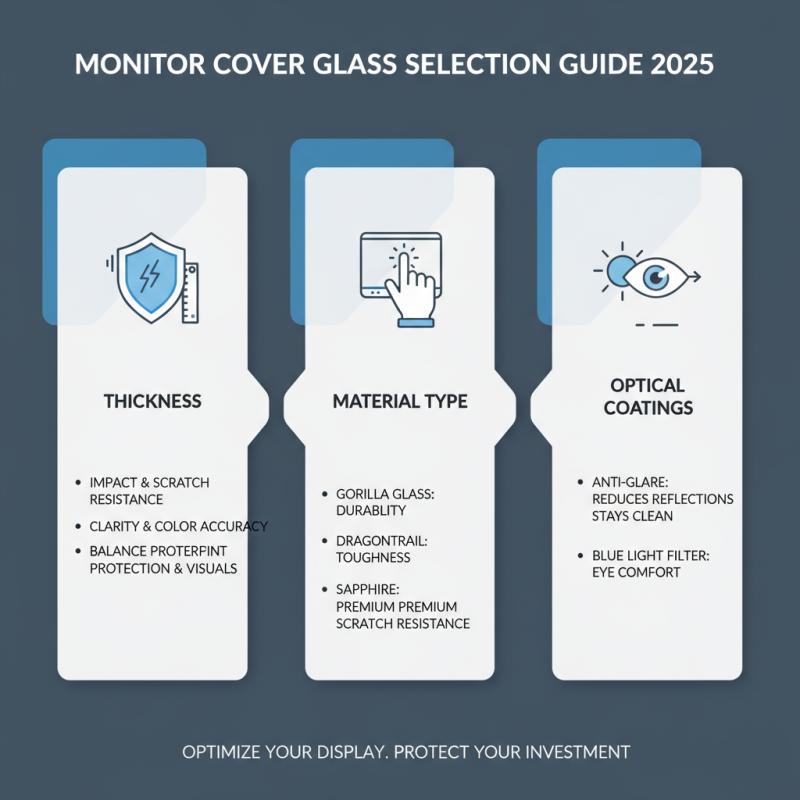
With advancements in manufacturing techniques and materials science, the options for cover glass are more diverse than before. Factors such as thickness, anti-glare properties, and scratch resistance play significant roles in determining the suitability of cover glass for various applications. Whether for home use, professional environments, or outdoor settings, understanding these characteristics will empower consumers to make informed choices that align with their specific needs.
As we delve deeper into the intricacies of choosing the best cover glass for monitors, this guide will equip readers with essential knowledge and considerations. By exploring the latest innovations and expert recommendations in the field, we aim to illuminate the path toward making the best selection for optimal display performance and protection in the years to come.

Understanding the Importance of Cover Glass for Monitors
Cover glass for monitors is a crucial component that significantly affects the overall user experience and display performance. Its primary function is to protect the underlying screen from physical damage, dust, and moisture, ensuring durability and longevity. Beyond safeguarding, cover glass plays an essential role in enhancing the visual quality of the display. The choice of glass can influence factors such as glare reduction, color fidelity, and touch responsiveness, making it an important consideration for manufacturers and consumers alike.
When selecting cover glass, one must consider various specifications that can impact performance. Optical clarity is paramount; high-quality cover glass allows for maximum light transmission while minimizing reflections. Additionally, the hardness and scratch resistance of the glass should be evaluated, as these properties determine how well the surface withstands everyday wear and tear. Moreover, features like anti-fingerprint coatings and anti-reflective treatments further contribute to the usability and aesthetic appeal of a monitor, enhancing the overall viewing experience in diverse environments. Understanding these factors will help users make informed decisions in 2025 and beyond, ensuring they choose the best cover glass that meets their specific needs.
Ultimate Guide to Choosing the Best Cover Glass for Monitor in 2025
| Type of Cover Glass |
Thickness (mm) |
Anti-Glare Coating |
Durability Rating (Mohs) |
Price Range (USD) |
| Tempered Glass |
3 |
Yes |
6-7 |
$30 - $60 |
| Hardened Glass |
4 |
No |
8 |
$40 - $80 |
| Polycarbonate |
2 |
Yes |
4-5 |
$15 - $35 |
| Acrylic |
3 |
Yes |
3 |
$10 - $25 |
Key Factors to Consider When Choosing Cover Glass
When choosing cover glass for a monitor in 2025, several key factors must be considered to ensure optimal performance and durability. First, the thickness of the glass plays a crucial role in its strength and clarity. Thicker glass often provides better protection against impacts and scratches, while also ensuring that color accuracy and sharpness are maintained. Look for a thickness that balances protection with display quality, ensuring that your visual experience is not compromised.
Another critical factor is the type of coating applied to the glass. Anti-reflective coatings can significantly enhance visibility by reducing glare, making it easier to view the screen in bright environments. Additionally, considering coatings that resist fingerprints and smudges can keep your monitor looking clean and clear without frequent cleaning. This is particularly important in environments where the monitor is frequently touched or interacted with.
**Tips:** When selecting cover glass, consider the environment where the monitor will be used. For instance, if it will be in a workspace with bright overhead lighting, prioritize anti-reflective options. Furthermore, always check for compatibility with your monitor's specifications to ensure that the cover glass will not interfere with its performance. Regular maintenance of the glass can also prolong its lifespan and aesthetic appeal, so keep in mind the ease of cleaning when making your decision.
Types of Cover Glass: Pros and Cons for Different Uses
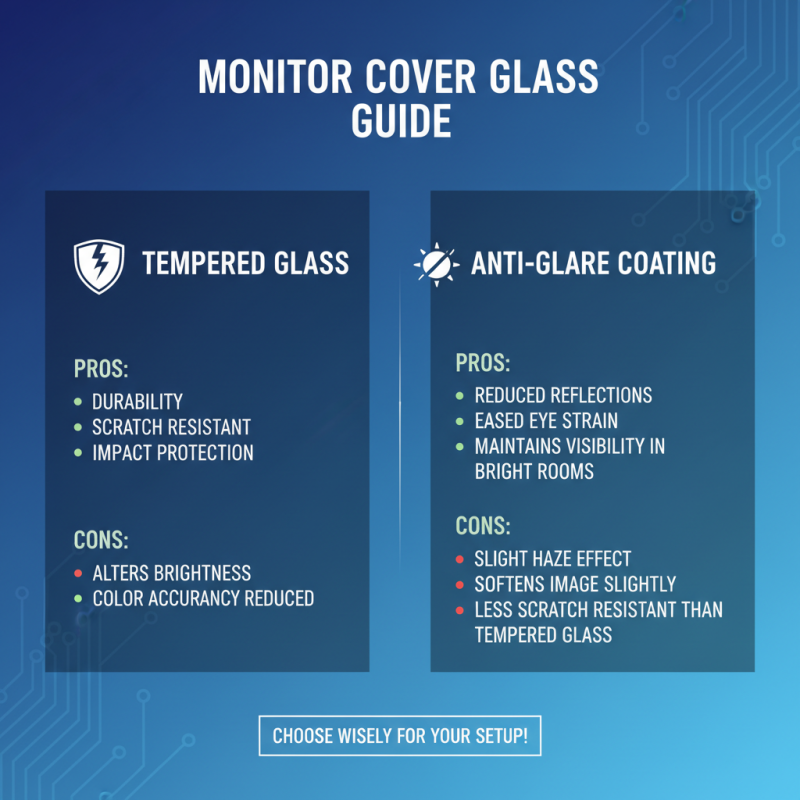
When selecting the right cover glass for your monitor, it’s essential to understand the different types available and their respective pros and cons. Tempered glass is popular for its durability and resistance to scratches, making it ideal for environments where the monitor may be exposed to heavy use or accidental impacts. However, while it offers excellent protection, tempered glass can alter screen brightness and color accuracy over time.
Another option is acrylic cover glass, which is lightweight and shatter-resistant. This type is easier to transport and install, making it suitable for portable setups. Yet, acrylic can be more prone to scratching and may not provide the same level of clarity as glass, potentially impacting the visual experience in professional settings such as design or gaming.
**Tip:** When choosing cover glass, consider the environment and usage. For high-traffic areas, tempered glass may be the better choice due to its strength. Conversely, for trade shows or temporary displays, acrylic is a more practical solution due to its lighter weight and lower cost. Always prioritize clarity and protection according to your specific needs for optimal performance.
Latest Technologies in Cover Glass for Monitors in 2025
The landscape of monitor cover glass technology has evolved significantly, with 2025 set to witness remarkable advancements. One of the latest innovations includes the integration of anti-glare and anti-reflective coatings. These features not only enhance visibility in various lighting conditions but also reduce eye strain during prolonged use. By minimizing potential distractions caused by glare, these coatings enable users to focus on their work or entertainment without unnecessary interruptions.
When selecting cover glass for your monitor, consider the latest developments in hardened glass technology. Modern cover glasses are now being manufactured using tempered glass processes, which imbue them with exceptional durability and scratch resistance. This is particularly beneficial in environments prone to impacts or where the display might be subject to frequent handling. Investing in sturdier glass ensures longevity and maintains the aesthetic appeal of the monitor.
**Tips:** Look for cover glass that boasts higher light transmittance to ensure that brightness and color accuracy are not compromised. Additionally, keep an eye out for options that offer easy clean features, as smudges and fingerprints can detract from the visual experience. Lastly, check for compatibility with existing monitor specifications to ensure a perfect fit and optimal performance.
Comparison of Different Types of Cover Glass for Monitors in 2025
Maintenance and Care Tips for Monitor Cover Glass
Taking care of monitor cover glass is essential to maintaining its clarity and durability. Regular cleaning is the first step in ensuring that your cover glass remains in optimal condition. Use a microfiber cloth and a gentle, non-abrasive glass cleaner to wipe down the surface. Avoid using paper towels or rough materials, as these can scratch the glass. It’s best to apply the cleaner directly to the cloth rather than spraying it on the glass to prevent moisture from seeping into the edges of your monitor.
In addition to cleaning, it’s crucial to handle monitor cover glass with care when installing or removing it. Always place the glass on a soft surface to avoid accidental drops or scratches. Keeping the environment dust-free can also reduce the buildup on the surface, which means less frequent cleaning. If you notice any signs of wear or scratches, consider replacing the cover glass to protect your monitor and ensure a clear viewing experience. Proper maintenance not only enhances visual quality but also prolongs the life of your monitor and its cover glass.


 Phone
Phone Send Email
 whatsapp
 Facebook