10 Essential Tips for Choosing Architectural Glass for Your Project?
Choosing the right architectural glass for your project is crucial. This decision impacts aesthetics, functionality, and energy efficiency. Architectural glass plays a key role in modern design. It can enhance natural light and provide stunning views. However, navigating the options can be overwhelming.
With a variety of glass types available, understanding their properties is essential. Each type offers distinct advantages and challenges. For instance, tempered glass is strong but can be costly. Laminated glass, however, adds safety but may not suit every design.
Consider factors like insulation, glare, and UV protection. Reflective glass can reduce heat but may disrupt natural lighting. Finding the right balance is vital. Engage with professionals to ensure your choices meet structural and aesthetic goals. Remember, every project is unique. Mistakes can happen if choices are rushed. Take your time, research thoroughly, and trust your instincts.
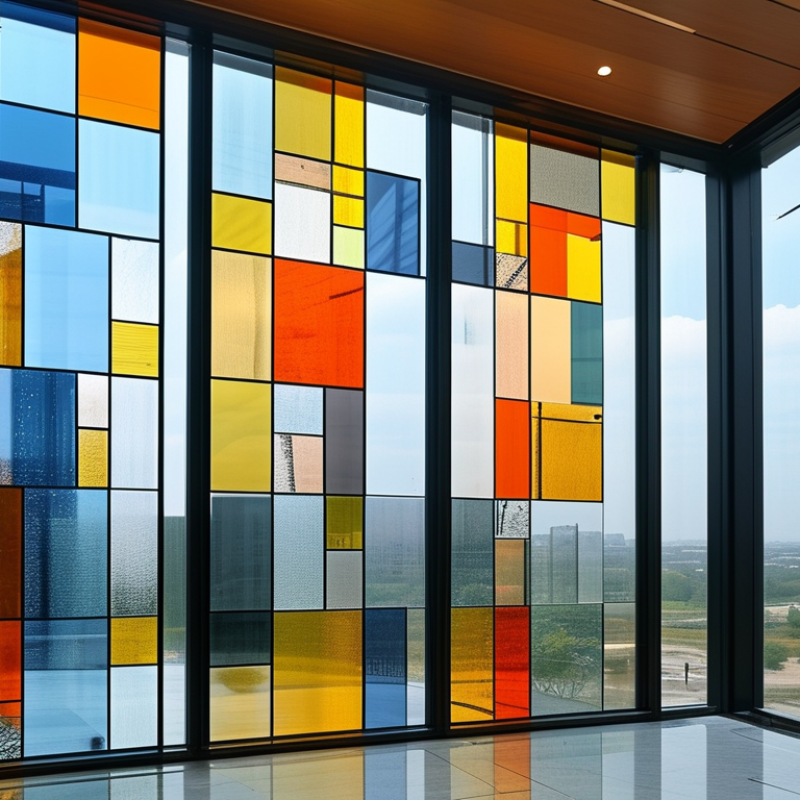
Identifying the Purpose of Architectural Glass in Your Project
When choosing architectural glass, understanding its purpose is crucial. Different projects require distinct functionalities. For instance, some glass types prioritize energy efficiency, while others focus on aesthetics. Consider how the glass will influence the building’s performance and appearance. Will it reflect sunlight, or provide transparency? The answers will guide your decisions.
Think about safety as well. Some glass is tempered or laminated to prevent shattering. This is vital in high-traffic areas. If your project involves public spaces, prioritizing safety features is essential. Additionally, sound insulation might be a concern for residential projects in noisy neighborhoods.
The environmental impact of glass choices is growing more important. Sustainable options can enhance LEED certification for buildings. Recycled glass could be a worthwhile consideration. Assess how these choices align with your overall project goals. Reflect on the balance between aesthetics, functionality, and environmental concerns. Each decision matters and warrants careful thought.
Understanding Different Types of Architectural Glass and Their Features
Architectural glass plays a crucial role in modern building design. Understanding the types available can greatly impact functionality and aesthetics. Common types include tempered, laminated, and insulated glass, each offering unique features. For instance, tempered glass is known for its strength and safety, as it shatters into small pieces. Laminated glass provides sound insulation and UV protection. Insulated glass, often used in energy-efficient buildings, reduces heat transfer.
Choosing the right architectural glass requires careful consideration of several factors. Evaluate the specific needs of your project regarding safety, energy efficiency, and aesthetic appeal. Did you know that according to the Global Glass Market Report, demand for energy-efficient glass is projected to grow by 8% annually? This trend showcases the importance of making informed choices.
Consider the glass thickness and its thermal performance. Thicker glass can reduce noise pollution and enhance durability. Pay attention to certifications, such as those from the National Glass Association, which indicate quality and performance standards. Make decisions based on your project’s specific requirements and align them with industry standards. This mindful approach can lead to better outcomes in terms of sustainability and design integrity.
Evaluating Thermal and Acoustic Performance of Glass Options
When selecting architectural glass, evaluating thermal and acoustic performance is crucial. Glass plays a significant role in energy efficiency. High thermal performance glass can reduce energy bills. Look for low-emissivity coatings to enhance insulation. These coatings reflect heat during winter and keep interiors cool in summer.
Acoustic performance is equally vital. Certain glass types can effectively reduce noise pollution. Laminated glass, for example, can dampen sound vibrations. Consider the glass thickness and air gaps within double-glazed units. These factors significantly impact sound insulation. Ensure the glass you choose meets building codes for noise control.
Pay attention to installation methods as well. Proper seals can enhance both thermal and acoustic properties. Sometimes, overlooked details can lead to performance issues. Assess the glass not just for aesthetics, but for its functional benefits. The right choice improves comfort and can elevate overall project satisfaction.
Considering Aesthetics and Design Compatibility for Visual Appeal
Choosing the right architectural glass is crucial for any project. The visual appeal of your building begins with the glass selection. Aesthetics and design compatibility play a significant role in creating cohesive structures. When selecting glass, consider its color and texture. A clear glass can enhance light, while tinted options add a unique character.
Take time to explore different styles. Think about how they match the surrounding environment. Reflective surfaces can create stunning effects but may require careful placement. Not every glass type suits all designs. Test samples in various lighting conditions to see how they truly perform.
Artistic elements can transform a mundane space. Patterns and coatings can create fascinating visual effects. However, be cautious with intricate designs; they must not overwhelm the structure. Balance is key. Ensure that your glass choice integrates seamlessly with other materials used. This harmonious blend will maximize both beauty and function.
10 Essential Tips for Choosing Architectural Glass for Your Project
This bar chart illustrates the importance of various factors when choosing architectural glass for a project. Each factor is rated from 1 to 10, reflecting its significance in ensuring aesthetic appeal and compatibility with design requirements.
Assessing Budget Constraints and Long-Term Maintenance Needs
When selecting architectural glass for your project, budgeting constraints play a pivotal role. According to the Glass Association of North America, architectural glass accounts for approximately 10-15% of the total building cost. Understanding this financial commitment is crucial. Costs can vary depending on thickness, coating, and features like thermal performance. It’s essential to conduct a thorough cost-benefit analysis before making decisions.
Long-term maintenance is another key consideration. High-performance glass often requires less upkeep, saving money in the long run. Yet, initial costs are higher. For instance, low-E glass can reduce energy bills by up to 10-15% annually. However, factors like local climate and building orientation can affect efficacy. Projects have, at times, selected lower-cost options, only to face increased maintenance costs later. Such decisions highlight the importance of evaluating immediate savings versus future expenses. Investing in quality glass means fewer repairs and replacements over time.


 Phone
Phone Send Email
 whatsapp
 Facebook