How to Choose Custom Tempered Glass for Household Appliances?
Choosing the right custom tempered glass for household appliances is vital. According to a recent report by the Glass Association, tempered glass is up to five times stronger than standard glass. It provides enhanced safety, durability, and insulation for appliances. Kristine Lee, a glass manufacturing expert, stated, “Custom tempered glass transforms ordinary appliances into modern masterpieces.”
When selecting custom tempered glass, consider thickness and finish. Different appliances demand various specifications. For instance, ovens may require high heat resistance. An accurate selection can prevent accidents and ensure efficiency. However, many people overlook these technical details. It's important to realize that not all tempered glass is the same.
Customization adds unique value. It can elevate a product's design and functionality. Yet, the market often presents challenges. Some manufacturers may not meet quality standards. A wise choice involves thorough research and expert advice. When done right, custom tempered glass for household appliances can greatly enhance safety and design.
Understanding the Benefits of Custom Tempered Glass for Appliances
Choosing custom tempered glass for household appliances comes with many advantages, especially in durability and safety. Tempered glass is stronger than regular glass. It can withstand high temperatures and pressure. This makes it an excellent choice for items like oven doors and cooktops.
When selecting custom tempered glass, consider thickness and dimension. Thicker glass offers more strength but can be heavier. Determine the precise measurements to ensure a perfect fit. Clarity is also crucial; clear glass enhances visibility and aesthetic appeal.
**Tip:** Always check the manufacturing standards for safety compliance. Look for certificates that ensure high-quality production processes.
Another benefit of custom tempered glass is its versatility in design. It can be cut into various shapes and sizes. This allows for unique appliance designs that stand out. However, some designs might not hold up well under heat or stress.
**Tip:** Consider your appliance’s heat exposure before making a design choice. Certain finishes can also impact durability.
Think about maintenance too. Smooth surfaces are easier to clean but may show fingerprints. Ensure your custom glass balances both beauty and practicality for your home.
Benefits of Custom Tempered Glass for Household Appliances
Key Factors to Consider When Selecting Tempered Glass
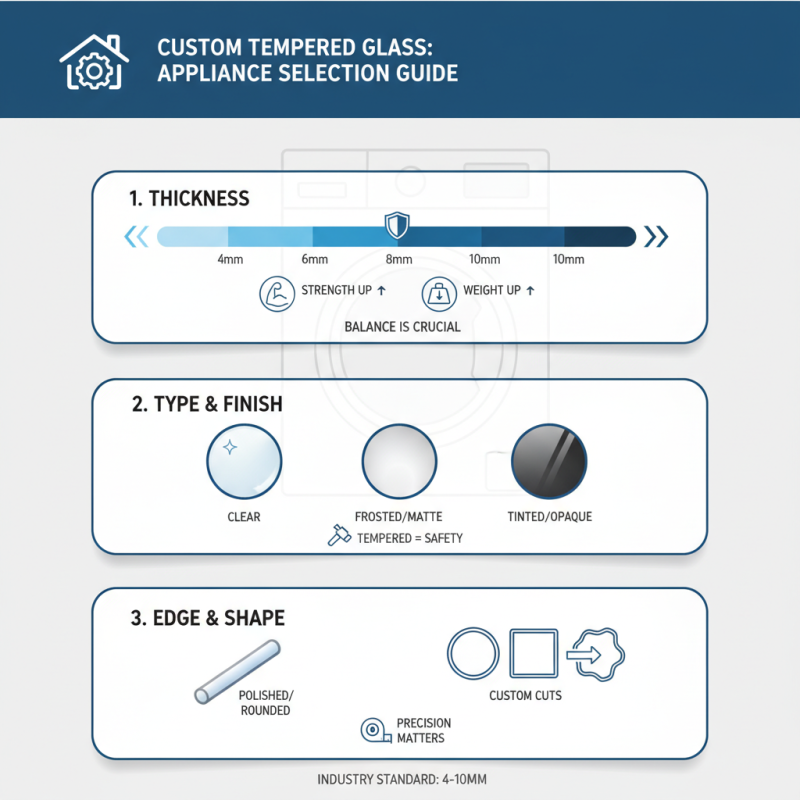
When selecting custom tempered glass for household appliances, several key factors come into play. First, consider thickness. According to industry standards, 4mm to 10mm is ideal for many applications. Thicker glass offers more strength but can add weight. Balance is crucial here; overly heavy glass may cause installation challenges.
Next, pay attention to the glass’s edgework. Polished edges are safer and visually appealing. However, they can chip easily if not handled right. Data shows that 20% of glass breakage occurs due to edge damage. In a kitchen setting, the risk is even higher with frequent movement. Therefore, consider your lifestyle and usage patterns.
Finally, think about coatings and treatments. Anti-fingerprint and anti-scratch coatings enhance the glass's durability. These treatments can increase the lifespan of the glass by up to 30%, according to recent studies. Reflect on how often appliances are used and cleaned. This thought process influences the glass's performance over time. Balancing aesthetics, safety, and functionality will ultimately lead to a better choice.
Different Types of Tempered Glass Suitable for Household Appliances
When selecting custom tempered glass for household appliances, it’s essential to understand the types available. The most common type is clear tempered glass. It’s versatile and complements almost any appliance design. This glass offers high strength and resists thermal shock. However, it can sometimes appear too plain for high-end appliances.
Another option is low-iron glass, which has superior clarity. It’s ideal for showcasing food in refrigerators or ovens. However, it can be more expensive. Be aware that low-iron glass may scratch easily, so careful handling is essential. You should also consider tinted tempered glass. This type adds a stylish touch to appliances. It's popular in modern kitchens but can affect the visibility of contents inside.
Finally, frosted tempered glass offers privacy and obscures views. This design is commonly used in dishwashers or microwaves. It seems practical, but dirt can accumulate more easily on its surface. Choosing the right type of tempered glass can be challenging. Factors like aesthetics, functionality, and maintenance need careful consideration. Each choice comes with its pros and cons, and pondering these aspects can lead to a more satisfying decision.
How to Measure and Fit Custom Tempered Glass Properly
Measuring and fitting custom tempered glass for household appliances can be challenging. Accurate measurements are crucial. Generally, you need three key dimensions: width, height, and thickness. Many industry reports indicate that errors in measurements can lead to a 15-20% increase in costs. Each appliance design varies, and understanding the specifics is essential.
When measuring, use a reliable tape measure. Ensure that you measure at several points along each dimension. Appliances may warp or settle over time. Therefore, taking multiple measurements helps account for inconsistencies. It's important to note that glass thickness typically ranges from 4mm to 12mm based on appliance type. Understanding the right thickness ensures safety and durability.
Fitting the glass also poses its own set of challenges. Gaps can lead to inefficiencies. An ideal fit reduces energy loss by enhancing insulation. For example, improperly fitted glass can increase energy consumption by up to 30% in some cases. Utilize high-quality silicone for sealing. This can mitigate air leaks. Pay attention to alignment during installation; a crooked fit may affect aesthetics and performance.
Maintenance Tips for Custom Tempered Glass in Home Appliances
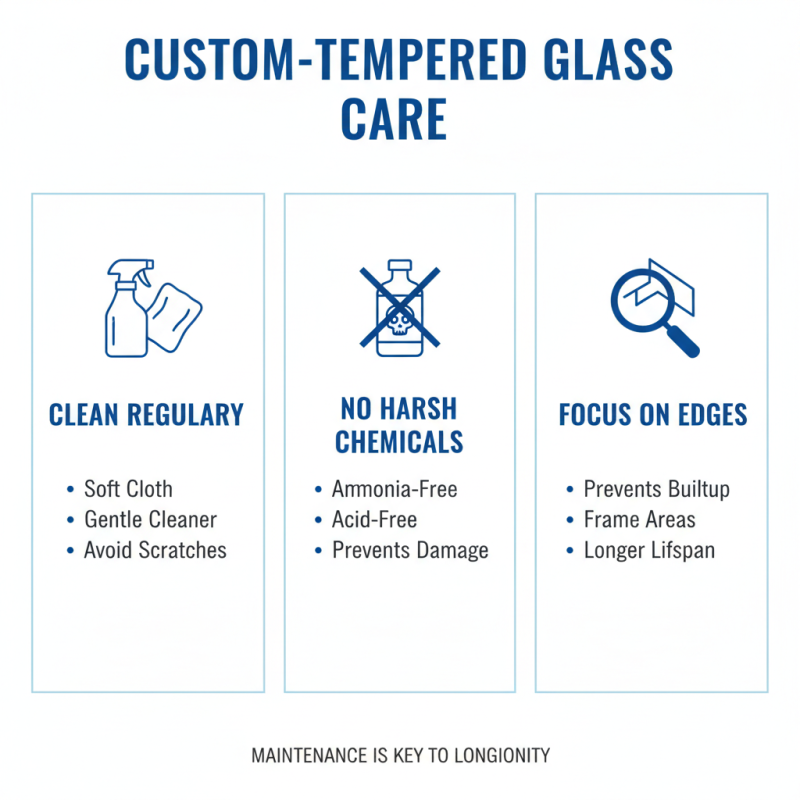
Custom tempered glass is a popular choice for household appliances, but maintenance is key to longevity. Regular cleaning is essential. Use a soft cloth and gentle cleaner to avoid scratches. Harsh chemicals can damage the glass surface over time. Pay attention to areas prone to buildup, especially near edges and frames.
Inspect the glass periodically for chips or cracks. Small imperfections can worsen if not addressed. If you notice any issues, consider replacing the glass before it becomes a bigger problem. Routine checks can prevent costly repairs down the line.
Avoid placing heavy objects directly on the glass. This can lead to stress and damage. When using appliances, handle glass surfaces carefully. Remember, even tempered glass has its limits. A cautious approach ensures your appliances look great and function well.


 Phone
Phone Send Email
 whatsapp
 Facebook