2026 Best Anti Reflective Glass Benefits and Uses Explained?
Anti-Reflective Glass has gained popularity due to its numerous benefits. It significantly reduces glare, enhancing visual clarity. This feature is particularly important for eyeglasses. Users experience less eye strain and improved comfort throughout the day.
In many settings, such as offices or homes, Anti-Reflective Glass improves aesthetics. It creates a seamless look, allowing light to flow naturally. However, some users encounter durability issues. Scratches can diminish its effectiveness, requiring careful handling.
Understanding the applications of Anti-Reflective Glass helps in making informed choices. From eyewear to camera lenses, its versatility is noteworthy. Considering both advantages and potential downsides is crucial for optimal use.
Benefits of Anti-Reflective Glass in Everyday Applications
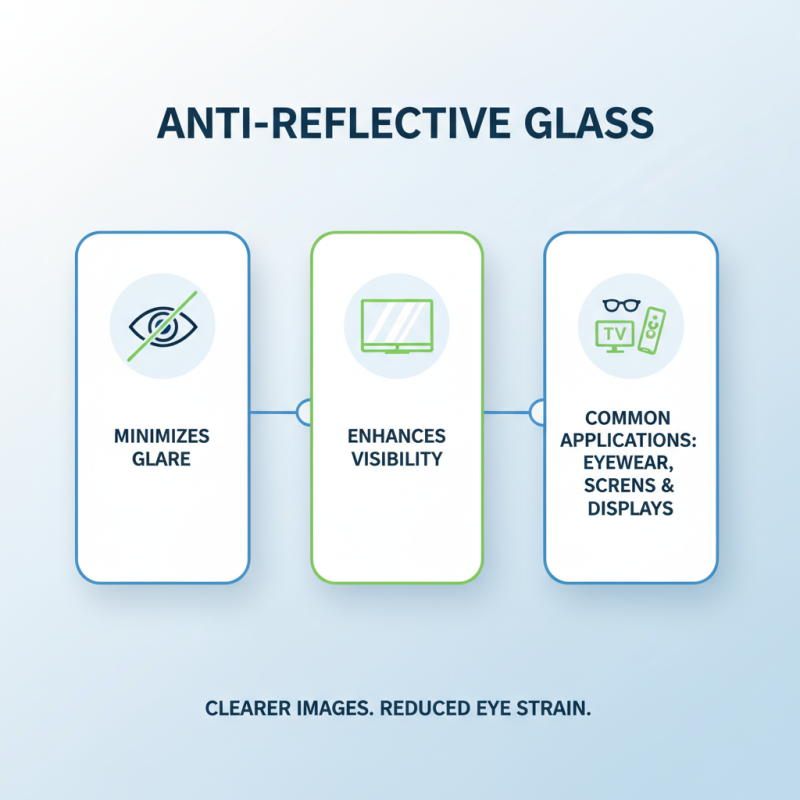
Anti-reflective glass has become essential in many everyday applications. It minimizes glare and enhances visibility. This is particularly important in environments with bright lights or direct sunlight. The glass is often used in eyewear, television screens, and displays. People enjoy clearer images and reduced eye strain.
In the realm of eyewear, anti-reflective coatings improve vision significantly. They help wearers see better in low-light situations. However, some may notice that the coating can scratch or smudge easily. This requires regular maintenance, which can be inconvenient for users.
Similarly, in technology, this glass is vital for screens. Many devices feature it to reduce distracting reflections. Users can enjoy a more immersive experience. Yet, over time, the effectiveness of these coatings may diminish. This poses challenges for manufacturers and consumers alike. Addressing these issues can lead to improved products and user satisfaction.
Understanding How Anti-Reflective Coatings Enhance Optical Clarity
Anti-reflective (AR) coatings have revolutionized the way we view the world through lenses. These specialized coatings minimize glare and reflections, enhancing optical clarity. Imagine wearing glasses or using screens without the distracting reflections that obscure your vision. AR coatings can make a significant difference in everyday activities, from reading to driving.
One of the key benefits of AR coatings is their ability to improve light transmission. With less light lost to reflections, your vision becomes sharper and clearer. This can be particularly beneficial in bright environments. However, not everyone is aware that AR coatings can sometimes attract dust and smudges. This requires regular cleaning and maintenance. Some users find this frustrating but also a reminder that nothing is perfect.
AR technology extends beyond eyewear. It is also used in camera lenses and screens. This versatility showcases its importance. Still, people must consider how these coatings react to various lighting conditions. Reflections can still occur in certain situations. It's a challenge that encourages users to become more aware of their surroundings.
Common Uses of Anti-Reflective Glass in Different Industries
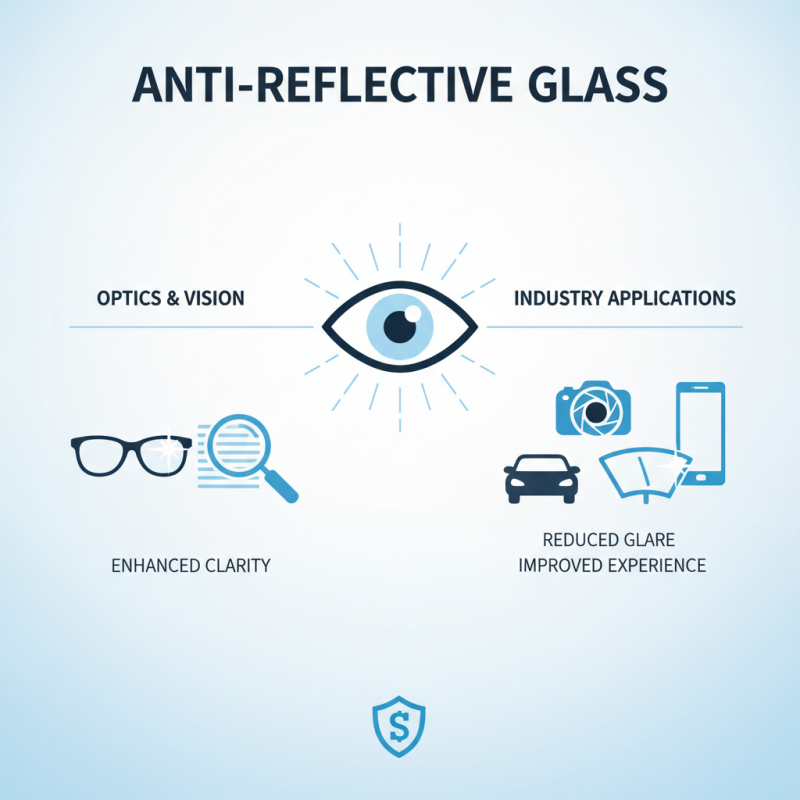
Anti-reflective glass is widely used across various industries. In the optics field, it enhances vision clarity. This type of glass reduces glare, making lenses easier to read. Many eyewear manufacturers utilize this feature to improve customer experience. It’s a practical solution for those with sensitive eyes.
In the tech industry, anti-reflective glass plays a crucial role in screen design. It minimizes reflections on devices like smartphones and tablets. This improves visibility in bright conditions. Users find it easier to view screens outdoors. However, not all surfaces are treated equally. Some coatings can wear off over time, leading to decreased effectiveness.
Architecture also benefits from this glass type. Buildings with large windows often use anti-reflective coatings. They allow more natural light while reducing heat gain. This balances energy efficiency with aesthetics. Yet, maintenance can be challenging. Dirt and smudges tend to show more on these surfaces, requiring frequent cleaning.
Key Features to Look for in Quality Anti-Reflective Glass Products
When choosing quality anti-reflective glass, certain key features stand out. A high-quality coating reduces glare effectively, enhancing clarity. Reports indicate that glare can reduce visual acuity by up to 20%. Thus, selecting glass with a minimum of 90% light transmission can significantly improve visibility, especially in bright environments.
Durability is another essential factor. Quality anti-reflective glass should have scratch-resistant properties. According to industry studies, glass treated with advanced coatings can resist scratches up to five times more effectively than untreated options. This translates to greater longevity and less frequent replacements, which can save costs over time.
Another consideration is ease of cleaning. Many anti-reflective glasses come with smudge-resistant coatings. This feature minimizes fingerprints, allowing for clear visibility. However, not all coatings are equal. Some may still show smudges more than others. Regular assessments of cleaning methods can prevent degradation of the coating over time, ensuring optimal performance. Choosing the right type can impact both aesthetics and functionality, affecting user experience greatly.
Benefits of Anti-Reflective Glass in 2026
This bar chart illustrates the key benefits of anti-reflective glass in 2026, with ratings on their importance based on consumer preferences. Reduced glare is highly valued, while UV protection ranks lower in comparison.
Maintenance Tips for Ensuring Longevity of Anti-Reflective Glass
Anti-reflective (AR) glass provides incredible clarity. It reduces glare and enhances vision. However, to maintain its qualities, proper care is essential. Regular cleaning is crucial. Use a microfiber cloth to avoid scratches. Avoid harsh chemicals that can damage the coating.
When storing AR glass, be mindful of where you place it. Keep it in a protective case to prevent unnecessary scratches. Consider temperature and humidity. Extreme conditions can degrade the anti-reflective coating over time.
It’s essential to inspect your AR glass regularly. Look for signs of wear or damage. Small scratches may worsen if not addressed. If you notice any issues, consult a professional for repairs. Regular maintenance can extend the lifespan of your AR glass significantly.
2026 Best Anti Reflective Glass Benefits and Uses Explained
| Benefit |
Description |
Use Cases |
Maintenance Tips |
| Reduced Glare |
Minimizes reflections for clearer vision and less eye strain. |
Eyewear, monitors, cameras. |
Clean with a microfiber cloth to avoid scratches. |
| Enhanced Clarity |
Improves vision quality by allowing more light to pass through. |
Surgical microscopes, optical devices. |
Avoid exposure to harsh chemicals that can damage the coating. |
| Aesthetic Appeal |
Provides a sleek look without obtrusive reflections. |
Fashion eyewear, decorative glass. |
Store out of direct sunlight to preserve quality. |
| Improved Performance |
Enhances functionality in varied lighting conditions. |
Photographic lenses, projectors. |
Regularly inspect for scratches or damage. |
| UV Protection |
Blocks harmful UV rays, reducing eye damage. |
Sunglasses, prescription lenses. |
Store in cases to avoid dirt and debris accumulation. |


 Phone
Phone Send Email
 whatsapp
 Facebook