Best Anti-Fingerprint Glass Solutions for Global Buyers?
In today's market, the demand for advanced surfaces like Anti-Fingerprint Glass is soaring. Industry reports indicate that the global anti-fingerprint coatings market could reach $2 billion by 2025. Such materials offer significant advantages, especially in consumer electronics and architectural applications. Their ability to resist smudges enhances user experience and product longevity.
However, not all Anti-Fingerprint Glass solutions meet the highest standards. There are issues with durability and effectiveness over time. Some products fade, losing their protective qualities after minimal use. This raises questions about their reliability in demanding environments. Manufacturers must address these challenges to build trust with their customers.
In addition, buyers often find it difficult to differentiate between high-quality and subpar options. Misleading marketing can create confusion. Understanding the science behind anti-fingerprint technology is crucial. Buyers should seek out suppliers with proven experience and credible certifications. Only then can they secure effective solutions that truly enhance their products.

Overview of Anti-Fingerprint Glass Technologies and Their Benefits
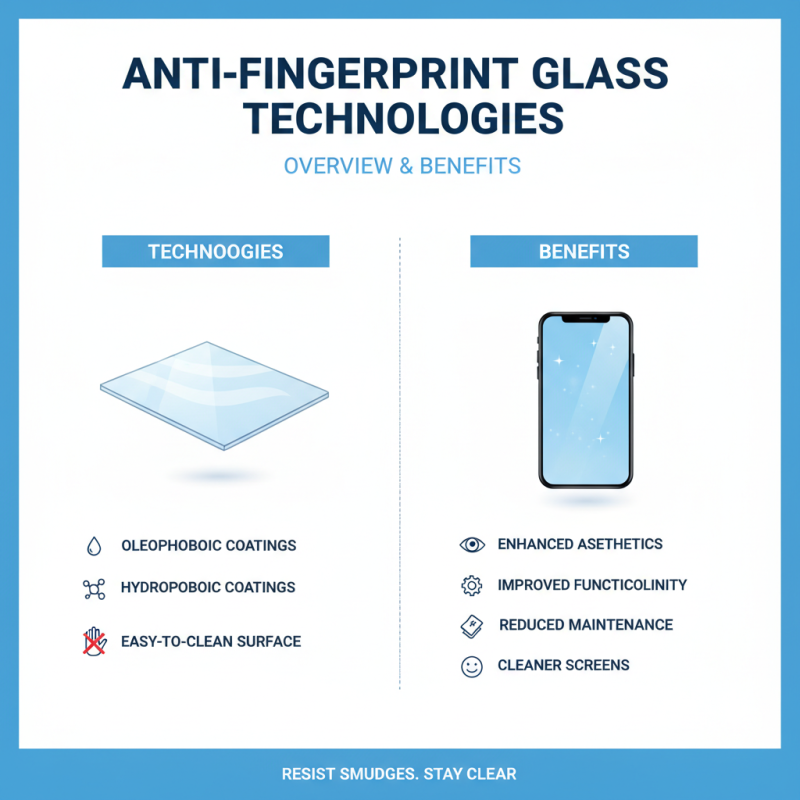
Anti-fingerprint glass technology offers significant advantages for various applications. This technology helps maintain a cleaner surface by resisting smudges and fingerprints. Users benefit from enhanced aesthetics and improved functionality. Fingerprints can be unsightly and hard to remove. Anti-fingerprint coatings address this issue effectively.
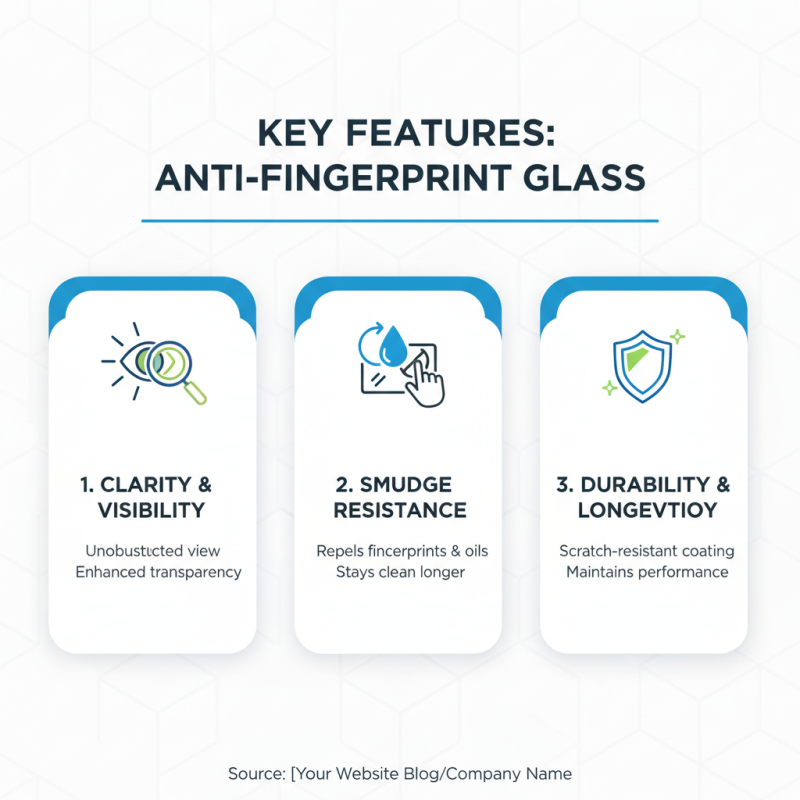
The working principle involves a special treatment applied to the glass surface. This coating creates a hydrophobic and oleophobic barrier. It repels water and oils, making it harder for dirt to adhere. The result is a longer-lasting pristine appearance. In some cases, these coatings can also provide added durability to the glass, protecting it from scratches.
There are some challenges to consider. The effectiveness of anti-fingerprint coatings can diminish over time. Regular maintenance is still necessary to ensure optimal performance. Users may need to rethink their cleaning methods. Some traditional cleaners can damage the coating and reduce its effectiveness. Understanding these nuances is essential for maximizing the benefits of anti-fingerprint glass solutions.
Top Global Manufacturers of Anti-Fingerprint Glass Solutions
As consumer demand for sleek designs grows, anti-fingerprint glass solutions have become essential. Various manufacturers worldwide focus on producing these advanced materials. Their expertise lies in applying specialized coatings that minimize fingerprints and smudges. These coatings enhance the appearance and ease of maintenance.
Top global manufacturers in this field prioritize innovation. They invest in research and development, ensuring their products meet high standards for quality. Many incorporate environmentally friendly processes, though not all have fully achieved sustainability. It reflects a growing awareness but also an ongoing challenge for the industry.
Customer feedback plays a crucial role in shaping product offerings. Some users report mixed results regarding the durability of these coatings. While many enjoy the ease of cleaning, others note that effectiveness can diminish over time. Manufacturers must address these issues to enhance reliability and satisfaction.
Market Trends and Innovations in Anti-Fingerprint Glass Products
The demand for anti-fingerprint glass solutions is rapidly growing, driven by advancements in technology and consumer preferences. According to a recent report from Transparency Market Research, the global market for anti-fingerprint coatings is expected to reach $2.1 billion by 2027. This growth reflects a shift towards smarter and more hygienic solutions in various industries, including mobile devices, electronics, and automotive.
Innovations in anti-fingerprint glass have led to the development of advanced coatings that can repel smudges and reduce the need for frequent cleaning. These coatings often utilize nanotechnology, allowing for a durable and long-lasting protective layer. Interestingly, manufacturers are investigating eco-friendly materials as alternatives, responding to the demand for sustainable products. However, some coatings may not achieve the desired transparency or may wear off quickly, presenting challenges for quality control.
Tip: When selecting anti-fingerprint glass solutions, check for certifications that demonstrate reliability. Look for durability tests to ensure performance over time.
Market trends also indicate that customization is becoming increasingly important. Buyers often seek specific functionalities, such as enhanced scratch resistance or enhanced visibility under direct sunlight. However, companies must balance innovation with production costs, as high-quality anti-fingerprint products can significantly increase manufacturing prices. Remember, not every product marketed as “anti-fingerprint” offers true performance. Conduct thorough research before making a purchase.
Buying Guide: How to Select the Right Anti-Fingerprint Glass for Your Needs
When selecting the right anti-fingerprint glass, buyers should consider several key factors. A study by Gartner indicates that 85% of consumers prioritize durability and ease of maintenance in glass products. This means choosing glass that effectively resists fingerprints and smudges is crucial. Materials like Gorilla Glass or chemically tempered glass often provide superior resistance.
It is essential to evaluate the coating technology used in the glass. Various surface treatments can enhance the anti-fingerprint properties, but not all offer equal protection. Research shows that hydrophobic and oleophobic coatings can reduce smudging significantly. However, their effectiveness may diminish over time, making long-term performance a concern.
Tip: Always inquire about the coating's longevity and maintenance requirements. Regular cleaning may help extend the life of the anti-fingerprint properties.
While the idea of a perfect smudge-resistant surface is appealing, achieving this can be challenging. Manufacturers often report variations in performance based on usage. Testing the glass under real-world conditions can provide valuable insights.
Tip: Look for user reviews and testing reports for real experiences. This may help in making a more informed decision. Consider that no solution is flawless. Understanding the limitations can lead to better choices.
Best Anti-Fingerprint Glass Solutions for Global Buyers
| Type |
Thickness (mm) |
Surface Treatment |
Scratch Resistance |
Price Range ($) |
Applications |
| Tempered Glass |
6 |
Anti-Fingerprint Coating |
High |
50 - 100 |
Smartphones, Tablets |
| Frosted Glass |
8 |
Matte Finish |
Medium |
60 - 120 |
Decorative, Office Partitions |
| Ultra Clear Glass |
5 |
Nano Coating |
Very High |
75 - 150 |
High-end Displays, Monitors |
| Laminated Glass |
10 |
Anti-Reflective Coating |
High |
100 - 200 |
Architectural, Automotive |
| Chemical Strengthened Glass |
4 |
Coated Surface |
Medium |
40 - 90 |
Wearable Devices, Laptops |


 Phone
Phone Send Email
 whatsapp
 Facebook