Architectural glass has become a pivotal element in modern construction, redefining the design and functionality of buildings across the globe. According to renowned industry expert Dr. Emily Hart, "The innovative use of architectural glass not only enhances aesthetic appeal but also contributes significantly to energy efficiency and sustainability in architecture." As urban landscapes evolve, architects and builders increasingly turn to architectural glass for its myriad benefits, ranging from aesthetic versatility to superior insulation properties.
In this article, we explore the top 10 benefits of using architectural glass in contemporary construction projects. The integration of architectural glass not only transforms buildings but also promotes a healthier, more sustainable living and working environment. With its ability to manipulate light and space, architectural glass serves as a bridge between the interior and exterior, fostering a sense of connection to nature while providing modern innovations that cater to the needs of today's society. Join us as we delve into the advantages that make architectural glass an essential material in the toolkit of modern architects and builders.
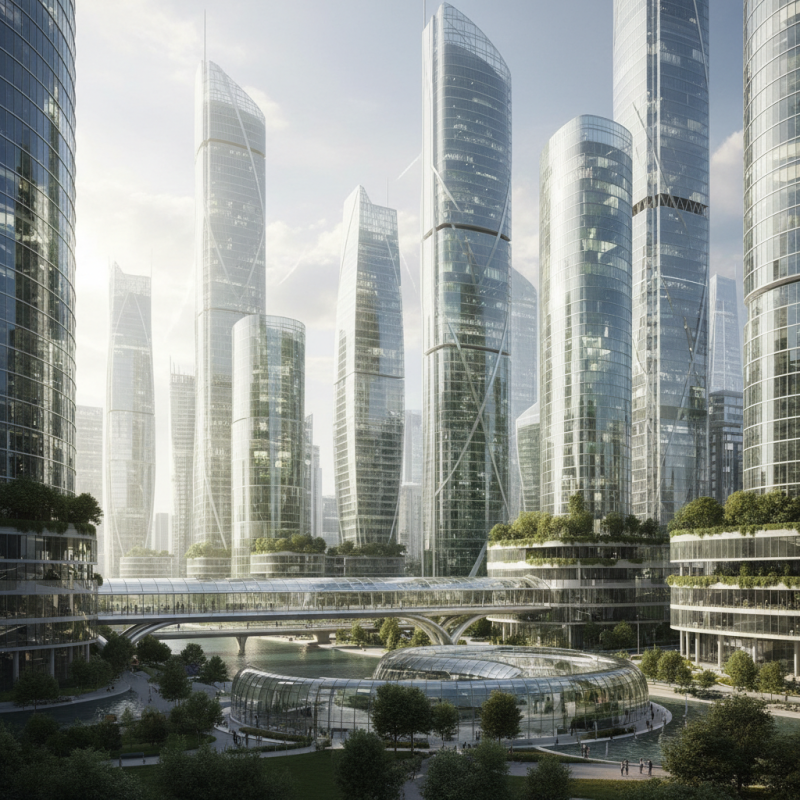
Architectural glass has become a cornerstone of modern construction, particularly in enhancing the aesthetic appeal of buildings. Its versatility allows for a myriad of design possibilities, enabling architects to create striking facades that catch the eye and invite curiosity. The ability to customize glass in terms of color, texture, and opacity means that each project can be tailored to fit its surroundings, harmonizing with nature or standing out as a bold statement. This adaptability not only improves the visual dynamics of structures but also encourages innovation in architectural design.
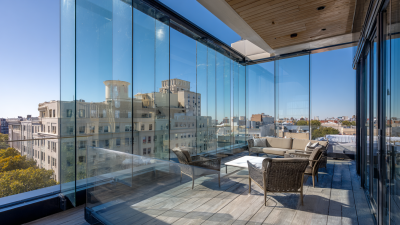
Moreover, the reflective properties of architectural glass add a unique depth to buildings, creating a play of light and shadow that changes with the time of day. This dynamic feature can transform a simple structure into a breathtaking visual experience, enhancing its appeal to both occupants and passersby. Additionally, glass walls and large windows foster a greater connection between indoor and outdoor environments, maximizing natural light and providing stunning views. This interaction with the exterior landscape not only enriches the aesthetic quality but also contributes positively to the overall ambiance of the space, making architectural glass an essential element in modern construction.
Architectural glass plays a significant role in enhancing energy efficiency in modern structures. One of the primary advantages of using glass in construction is its ability to harness natural light while minimizing energy consumption.
Large glass facades and windows can reduce the need for artificial lighting during the day, thereby decreasing the overall electricity demand of the building. With the integration of advanced glazing technologies, architects can design glass that reflects excess sunlight while allowing beneficial daylight to penetrate, creating a bright, welcoming environment without the associated heat gain.
Moreover, architectural glass can contribute to thermal efficiency through insulated glazing solutions. These specialized glass units consist of multiple panes separated by thermal breaks, which help maintain consistent indoor temperatures by reducing heat exchange with the exterior. This characteristic not only enhances occupant comfort but also lowers heating and cooling costs. By strategically incorporating architectural glass into building design, modern constructions can achieve substantial energy savings, making them more sustainable and environmentally friendly. The resulting structures not only meet regulatory standards for energy performance but often exceed expectations, showcasing the profound impact of glass in the evolution of contemporary architecture.
Architectural glass has emerged as a vital component in modern construction, particularly due to its safety and durability features. One of the primary benefits of using architectural glass is its ability to withstand extreme weather conditions. Unlike traditional materials, high-performance glass can endure significant temperature fluctuations and severe environmental factors, contributing to the longevity of buildings. This durability reduces maintenance costs and extends the lifespan of structures, ensuring they remain visually appealing and functional over time.
In addition to its resilience, architectural glass also enhances safety in construction. Many modern glass products are treated or laminated for added strength, making them resistant to impacts and shattering. This characteristic is particularly crucial in high-rise buildings where fall hazards are a significant concern. Moreover, advancements in glass technology have led to the development of fire-resistant glass, which can slow the spread of flames and smoke, providing critical escape time during emergencies. The combination of strength, resistance to natural elements, and fire safety makes architectural glass an ideal choice for contemporary structures focused on occupant safety and structural integrity.
Architectural glass plays a pivotal role in sustainable building practices, transforming traditional construction methods by enhancing energy efficiency and reducing environmental impact. According to the Global Glass Recycling Coalition, over 70% of architectural glass can be recycled, contributing to a circular economy that minimizes waste. Utilizing high-performance glass, such as low-emissivity (Low-E) glass, significantly decreases heating and cooling demands in buildings. Studies show that structures equipped with Low-E glass can achieve energy savings of up to 30% compared to standard windows, thus lowering carbon emissions and utility costs.
Moreover, architectural glass improves natural lighting and ventilation in buildings, creating healthier indoor environments. The U.S. Green Building Council reports that maximizing daylight can increase productivity and well-being among occupants while reducing reliance on artificial lighting. By integrating features like triple-glazing and advanced solar control technologies, architects can create buildings that not only meet but exceed sustainability standards set by programs such as LEED (Leadership in Energy and Environmental Design). This synergy between aesthetic appeal and environmental responsibility positions architectural glass as an essential material in modern, sustainable construction practices.
| Benefit | Description | Sustainability Impact |
|---|---|---|
| Natural Light | Architectural glass allows for greater natural light penetration, reducing the need for electrical lighting. | Improves energy efficiency and reduces carbon footprint. |
| Thermal Insulation | High-performance glazing can provide significant thermal insulation, keeping buildings warm in winter and cool in summer. | Reduces heating and cooling costs. |
| Aesthetic Appeal | Architectural glass contributes to striking designs and modern aesthetics in structures. | Enhances building value and marketability. |
| Acoustic Insulation | Certain types of architectural glass can provide sound insulation, minimizing noise pollution. | Improves occupant comfort. |
| Durability | Architectural glass is resistant to weather elements and does not fade over time. | Reduces the need for maintenance and replacement. |
| Energy Efficiency | Advances in glass technology allow for coatings and treatments that enhance energy efficiency. | Minimizes energy consumption in buildings. |
| Safety | Laminated and tempered glass increases safety by preventing shattering. | Protects occupants and reduces liability. |
| Sustainable Materials | Recycled glass is often used in the manufacturing of architectural glass. | Promotes recycling and reduces waste in construction. |
| Flexible Applications | Glass can be used in windows, facades, partitions, and roofs, offering design versatility. | Encourages innovative building designs. |
| Reduced Light Pollution | Smart glass technologies can adjust light transmission to minimize light pollution. | Supports local ecosystems by minimizing disruption caused by artificial lighting. |

Architectural glass has become a cornerstone of modern architecture, providing innovative solutions that not only enhance aesthetic appeal but also improve functionality. One of the most striking applications is in curtain wall systems, which create seamless transitions between indoor and outdoor spaces. These glass facades offer dramatic views, maximize natural light, and enable energy-efficient building designs by reducing the need for artificial lighting. Additionally, advancements in glass technology, such as low-emissivity coatings, can significantly improve thermal insulation, making structures more sustainable.
Another exciting application of architectural glass is in the realm of smart technology integration. With the advent of electrochromic glass, buildings can now control the amount of sunlight entering a space – adjusting its tint in response to changing light conditions. This not only enhances occupant comfort but also contributes to energy savings by reducing the reliance on heating and cooling systems. Innovations in glass can also be seen in the use of structural glass, which allows for bold designs, creating open spaces and uninterrupted views without compromising on safety or durability.
These advancements are redefining the boundaries of creativity and functionality in modern architecture.