Top 10 Benefits of Using Anti Reflective Glass for Your Projects?
When considering materials for your projects, the advantages of Anti-Reflective Glass become clear. This innovative glass type reduces glare and enhances visibility. It is ideal for both residential and commercial applications.
Anti-Reflective Glass minimizes reflections, making it easier to see through. Whether you’re designing a display case or a window, it improves the viewer's experience. Imagine a bright room where every detail is visible, thanks to this remarkable material. However, the cost can be higher than regular glass, prompting a careful budget review.
Some may overlook the importance of anti-reflective properties. Yet, in environments with strong lighting, reflective surfaces can hinder functionality. Choosing the right glass can significantly impact both aesthetics and usability. Emphasizing quality pays off in the long run.
Benefits of Anti-Reflective Glass in Reducing Glare for Enhanced Visibility
Anti-reflective glass significantly improves visibility by reducing glare. This makes it ideal for various projects, from commercial buildings to consumer electronics. According to a report by the Glass Association, glare can decrease visibility by up to 40% in bright conditions. This lighting issue affects daily tasks, making anti-reflective glass crucial.
Using anti-reflective coatings mitigates reflections, allowing for better light transmission. A study by the Optical Society found that these coatings can enhance light transmission by over 99%. This increased clarity can lead to a more enjoyable user experience. Yet, some users may find the materials more delicate than regular glass, raising questions about durability.
Moreover, reducing glare has a substantial impact on energy efficiency. Lower glare can minimize the need for artificial lighting during the day. This could result in a 20% reduction in energy costs for businesses. However, the challenge remains in maintaining the cleanliness of the glass. Dust and smudges can impair the benefits, leading to inconsistency in performance. Balancing these factors is crucial when implementing anti-reflective glass in projects.
Impact of Anti-Reflective Coatings on Glass Durability and Longevity
Anti-reflective coatings significantly enhance the durability of glass. These coatings are thin layers applied to glass surfaces. They minimize glare and reflections, improving visibility. According to a report by the Optical Society, anti-reflective glass can increase light transmission by up to 99%. This feature is crucial for various applications, from display technologies to architectural designs.
The longevity of anti-reflective glass is notable. Studies show that these coatings can withstand environmental factors better than untreated glass. They resist scratches and reduce the buildup of dirt and grime. A research paper from the American Glass Association highlights that treated glass maintains clarity over time. This durability can extend the lifespan of your projects, making them more cost-effective.
However, it's vital to note that not all coatings are equal. Some may wear off faster under specific conditions. Environmental stressors can impact their effectiveness, leading to potential drawbacks. Regular maintenance is essential to maintain performance. Considering these factors ensures that the benefits of anti-reflective glass are fully realized.
Energy Efficiency Improvement through Anti-Reflective Glass in Building Design
Anti-reflective glass is becoming increasingly popular in building design. One of the key benefits is energy efficiency. This type of glass significantly reduces glare, allowing more natural light to enter spaces. With better light control, the need for artificial lighting decreases, leading to lower energy consumption. The result is a more sustainable environment and cost savings for building owners.
In addition to improving lighting conditions, anti-reflective glass helps to maintain comfortable indoor temperatures. It minimizes heat loss during colder months and limits overheating in the summer. However, there are challenges. The initial investment in anti-reflective glass can be high. Not all projects may justify the cost. It's crucial to evaluate the specific needs of each project before making a decision.
Moreover, the aesthetic appeal of buildings equipped with this glass cannot be overlooked. It enhances the overall visual experience by reducing distortions and providing clarity. Yet, there might be instances where reflections can still occur, disrupting the desired effect. Careful planning is needed to fully realize its benefits in building design.
Top 10 Benefits of Using Anti Reflective Glass for Your Projects
| Benefit |
Description |
Impact on Energy Efficiency |
| Reduced Glare |
Minimizes reflections, providing clearer views for occupants and improving comfort. |
Enhances natural light usage, reducing need for artificial lighting. |
| Increased Natural Light |
Allows more sunlight to enter the space, improving ambiance and reducing reliance on electric lighting. |
Lower energy consumption for lighting. |
| Enhanced Aesthetic Appeal |
Provides a sleek, modern look that enhances building design. |
Can increase property value and decrease energy costs with design efficiency. |
| UV Protection |
Blocks harmful UV rays, protecting interiors and occupants. |
Reduces wear on furniture and decreases cooling loads by preventing heat gain. |
| Lower Cooling Costs |
Helps in maintaining lower indoor temperatures during hot weather. |
Significantly reduces the demand on HVAC systems. |
| Safety and Security |
Some anti-reflective glasses can be treated for additional strength. |
Improves overall building safety, possibly lowering insurance costs. |
| Condensation Resistance |
Reduces condensation build-up, improving air quality. |
Can lead to lower energy costs by maintaining consistent temperatures. |
| Environmental Benefits |
Reduced energy consumption contributes to lower carbon footprint. |
Supports sustainable building practices. |
| Longevity |
High-quality anti-reflective glass can last longer than traditional glass. |
Reduced frequency of replacements leads to lower long-term costs. |
| Versatility |
Can be used in diverse applications, from residential to commercial buildings. |
Optimizes energy efficiency across different building types. |
Cost-Effectiveness of Anti-Reflective Glass in Large-Scale Projects
Anti-reflective glass is gaining popularity in large-scale projects for its cost-effectiveness. This type of glass reduces glare and enhances visibility, making it ideal for buildings with extensive windows. When considering a large project, factors such as initial investment and long-term savings come into play.
One notable advantage is energy efficiency. Anti-reflective glass can minimize heat gain and loss, which can lead to decreased energy costs. Many large buildings can benefit from lower HVAC expenses. The upfront cost might be higher, but the long-term savings can outweigh this.
Tips for implementing anti-reflective glass include examining your project's specific needs. Consider factors like climate, site orientation, and usage patterns to ensure optimal performance. Always consult with specialists to address potential drawbacks, such as the need for careful installation. With attention to detail, you can maximize both the aesthetic and functional benefits of anti-reflective glass in your project.
Applications of Anti-Reflective Glass in Diverse Industries and Settings
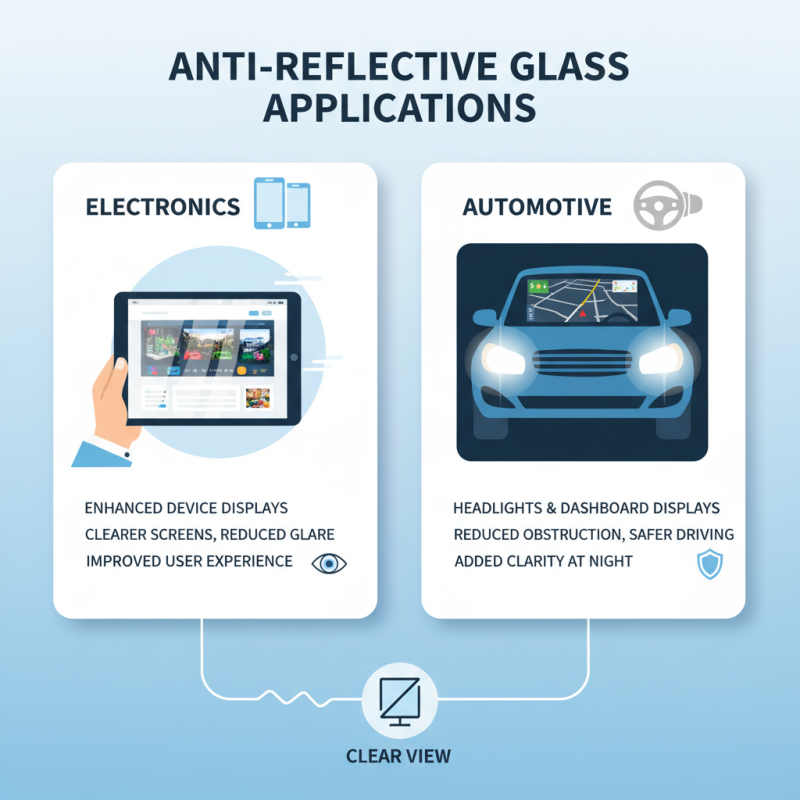
Anti-reflective glass has various applications across different industries. In the electronics field, it enhances device displays. Screens appear clearer and reduce glare. This improvement leads to better user experience. In the automotive sector, it is used for headlights and dashboard displays. Visions are less obstructed, making driving safer. People appreciate the added clarity during nighttime drives.
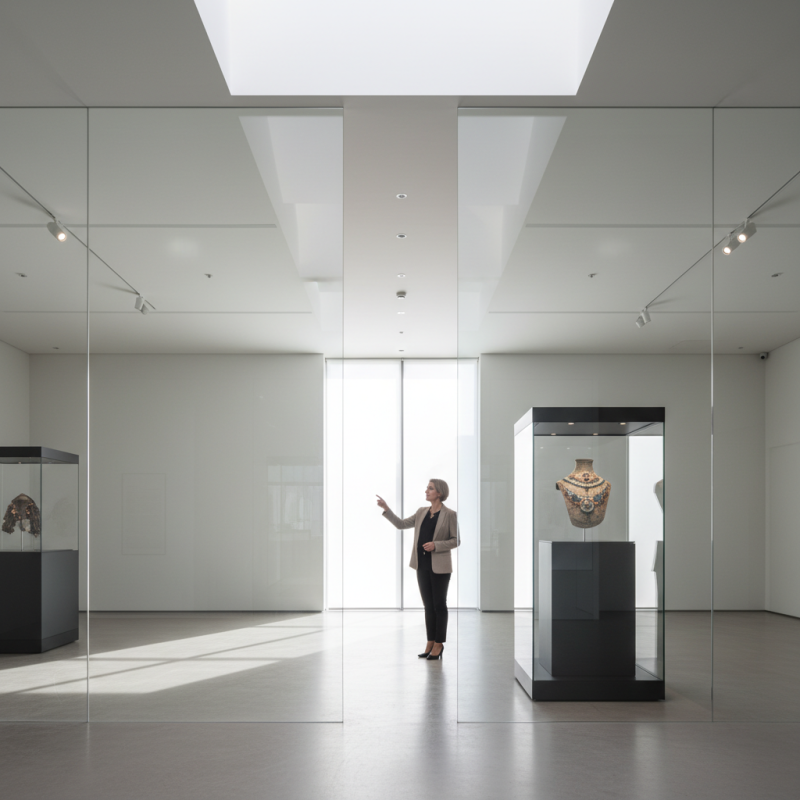
In architecture, anti-reflective glass adds style and functionality to buildings. Large windows become more inviting without distracting reflections. This glass also supports energy efficiency by controlling light and heat. In museums, it protects artworks while ensuring optimal visibility. Visitors can appreciate the colors and details without distortion. However, using this glass can be costly for some projects. The installation process needs to be careful to avoid issues.
In the medical field, anti-reflective glass is essential for equipment and screens. Surgeons benefit from clearer visuals during procedures. But, some professionals find it less durable over time. Understanding the maintenance needs is vital. Overall, anti-reflective glass offers unique advantages that enhance various applications. As tech evolves, the potential uses will continue to expand.


 Phone
Phone Send Email
 whatsapp
 Facebook