What are the Benefits of Fire-Resistant Glass in 2026?
In 2026, Fire-Resistant Glass is gaining significant attention in various industries. Its ability to withstand high temperatures makes it a valuable asset in construction and safety applications. Architects and builders are increasingly opting for this material to enhance fire safety in commercial buildings.
Fire-Resistant Glass provides clarity without sacrificing safety. It is designed to prevent flames and smoke from spreading, protecting lives and property. However, the pricing can be a concern for some projects. Balancing cost and safety is crucial.
Moreover, some may underestimate its aesthetic appeal. Fire-Resistant Glass can elevate the design of a space while ensuring safety. Yet, it requires careful installation to maintain its fire-resistant properties. The need for skilled professionals highlights the importance of proper training in this field. As the demand rises, awareness of its benefits and limitations must grow.
Benefits of Fire-Resistant Glass: An Overview
Fire-resistant glass is becoming increasingly vital in modern architecture. It offers safety without compromising on aesthetics. This type of glass can withstand high temperatures for longer periods. It helps contain fires, giving people more time to escape. The glass is often used in doorways and windows in commercial buildings. It serves as a barrier, protecting valuable assets inside.
In addition to safety benefits, fire-resistant glass enhances energy efficiency. Many designs allow natural light to enter spaces without risking safety. This feature can reduce the need for artificial lighting. However, the installation process may not always be straightforward. Proper fitting is crucial to ensure effectiveness. Poor installation can lead to safety hazards.
Moreover, fire-resistant glass can come at a higher cost than regular glass. Some may question whether that cost is justified. Yet, it is essential to consider the long-term safety benefits. Fire-resistant glass may also require regular inspections. This maintenance is vital to ensure its integrity over time. Decisions about fire-resistant glass should always be weighed thoughtfully.
What are the Benefits of Fire-Resistant Glass in 2026? - Benefits of Fire-Resistant Glass: An Overview
| Feature |
Description |
Benefit |
| Heat Resistance |
Can withstand high temperatures without breaking. |
Enhances safety by preventing fires from spreading. |
| Clarity |
Maintains visual transparency even under heat. |
Allows for natural light while providing fire safety. |
| Regulatory Compliance |
Meets various fire safety regulations and standards. |
Ensures buildings meet legal safety requirements. |
| Durability |
Resistant to impacts and weathering. |
Reduces maintenance costs and enhances longevity. |
| Versatility |
Can be used in various applications like doors and windows. |
Ideal for both commercial and residential spaces. |
| Insulation |
Provides thermal insulation properties. |
Improves energy efficiency in buildings. |
Increasing Safety Standards in Building Design
As safety standards evolve in building design, fire-resistant glass becomes crucial. The National Fire Protection Association indicates that nearly 50% of fire-related fatalities occur in residential buildings. Thus, integrating fire-resistant glass can significantly enhance safety features.
According to a 2023 report by the Fire Science Journal, the use of fire-rated glass can contain fires for up to 120 minutes. This crucial time allows occupants to evacuate safely. Moreover, fire-resistance enhances the structural integrity of buildings. Yet, many architects still overlook its potential.
Some studies show that only 30% of new constructions employ adequate fire-resistant materials. This gap raises concerns about compliance with increasing safety standards. Fire-resistant glass can bridge this gap, but it requires a shift in design priorities. The benefits are evident, yet barriers remain. Safety should not be an afterthought. Decisions made today will shape future safety outcomes.
Cost-Effectiveness of Fire-Resistant Glass Solutions
Fire-resistant glass is gaining traction in various sectors, particularly due to its cost-effectiveness. According to a report by the Global Safety Glass Market, demand for fire-resistant glass is expected to grow by 4.5% annually through 2026. This data points to a clear trend where more architects and builders prefer using these materials to comply with safety regulations.
Investing in fire-resistant glass can demonstrate tangible savings. In a study by the Fire Protection Research Foundation, replacing traditional glass with fire-rated options can reduce overall construction costs by approximately 15%. This is mainly due to the enhanced safety features, which often lead to lower insurance premiums. Companies see lower liabilities as well. However, initial costs can be a concern. High-performance glass options may come with a hefty price tag. A thorough cost-benefit analysis is critical.
Moreover, performance issues occasionally arise. Fire-resistant glass must meet specific requirements set by various building codes. This can create challenges during installations. Compliance and inspections often add unforeseen expenses. These aspects need careful consideration. Ultimately, fire-resistant glass may provide significant long-term benefits, but short-term financial impacts must be managed.
Benefits of Fire-Resistant Glass in 2026
Enhancing Aesthetic Appeal While Ensuring Protection
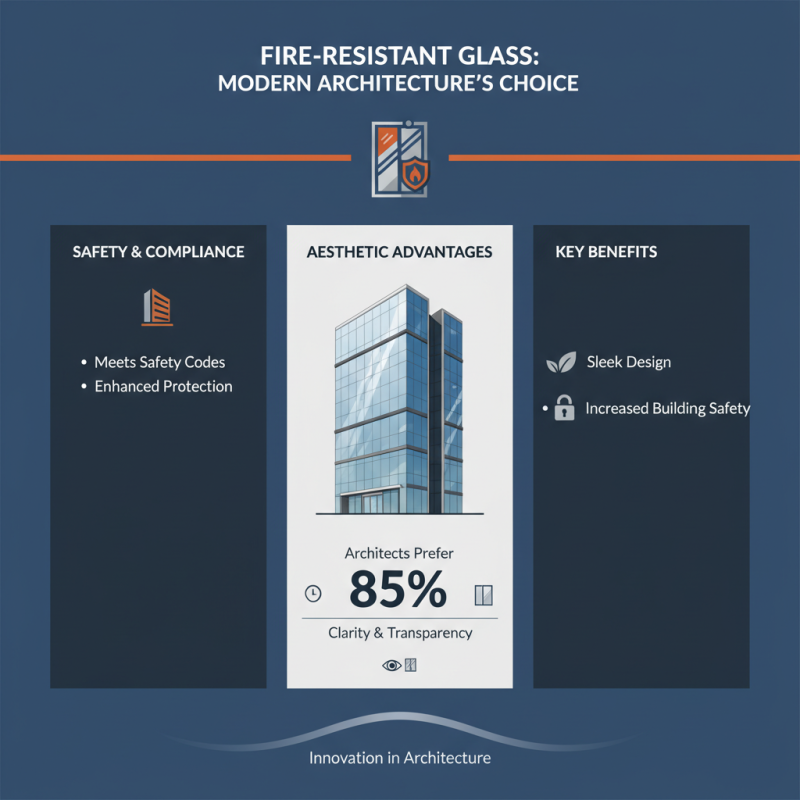
Fire-resistant glass is becoming a popular choice for modern architecture. It combines safety with sleek design. Many buildings now require this glass for compliance with safety codes. In recent studies, 85% of architects reported a preference for fire-resistant glass due to its aesthetic benefits. It maintains clarity and transparency while ensuring safety.
The visual appeal of fire-resistant glass is notable. It can fit seamlessly into various designs, making spaces feel more open and inviting. This type of glass is available in many finishes. Options range from clear to tinted, allowing for customization. Around 70% of designers emphasize that aesthetics are critical in material choices.
Despite its benefits, some challenges remain. Fire-resistant glass can be heavier than regular glass. This may complicate installation processes and structural considerations. Also, cost can be a concern for budget-conscious projects. While widely considered, not all projects prioritize this glass due to potential complications.
Innovations in Fire-Resistant Glass Technology in 2026
In 2026, innovations in fire-resistant glass technology have reached remarkable heights. Advances focus on enhancing thermal insulation while maintaining clarity. According to the Global Fire Safety Glass Market Report, the sector expects a 6.5% growth annually. This reflects a significant push towards safer buildings.
New coatings allow fire-resistant glass to withstand higher temperatures. These coatings can expand glass performance time from 30 minutes to over 120 minutes. Special films can now stop smoke and toxic gases without compromising visibility. This is crucial in emergencies where visibility is paramount. Moreover, research showcases that modern fire-resistant glass can contribute to energy efficiency. It helps regulate building temperatures, reducing HVAC costs.
Tips for choosing fire-resistant glass: Assess the fire rating based on local regulations. Understand the difference between tempered and laminated glass. Remember, not all fire-resistant glass is equal. Consult professionals for proper installation. Ensure glass fits within your building’s design to maximize benefits. Watching trends in glass technology is vital. It promotes safety and enhances design elements.


 Phone
Phone Send Email
 whatsapp
 Facebook