What is Architectural Glass and Its Uses in Modern Design?
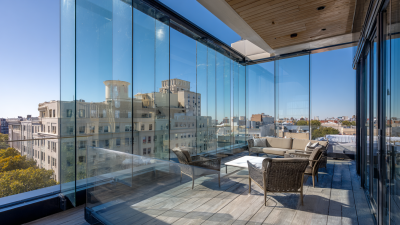
Architectural Glass is a transformative element in modern design. It adds elegance, functionality, and energy efficiency to buildings. This type of glass is not just for windows; it includes facades, partitions, and roofs. Its versatility creates dynamic spaces filled with natural light. Architects and designers often choose Architectural Glass for its aesthetic appeal.
However, the use of Architectural Glass comes with challenges. It can lead to glare issues and heat gain. Ensuring privacy can be difficult in glass-heavy designs. Balancing transparency with these concerns requires thoughtful planning. Despite these drawbacks, the benefits often outweigh the negatives. The beauty and modernity Architectural Glass brings to structures make it a popular choice today.
By reflecting on its uses, one can appreciate the complexity of Architectural Glass. It is more than just a building material; it shapes environments. Its role in modern architecture continues to evolve, making it an exciting element in design.
What is Architectural Glass and Its Role in Contemporary Architecture?
Architectural glass plays a critical role in contemporary architecture. Its versatility makes it an essential component of modern design. This type of glass allows natural light to flood interior spaces, creating a feeling of openness. According to the Glass Association, the global architectural glass market is predicted to grow by 7% annually through 2025.
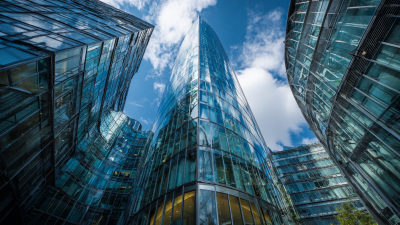
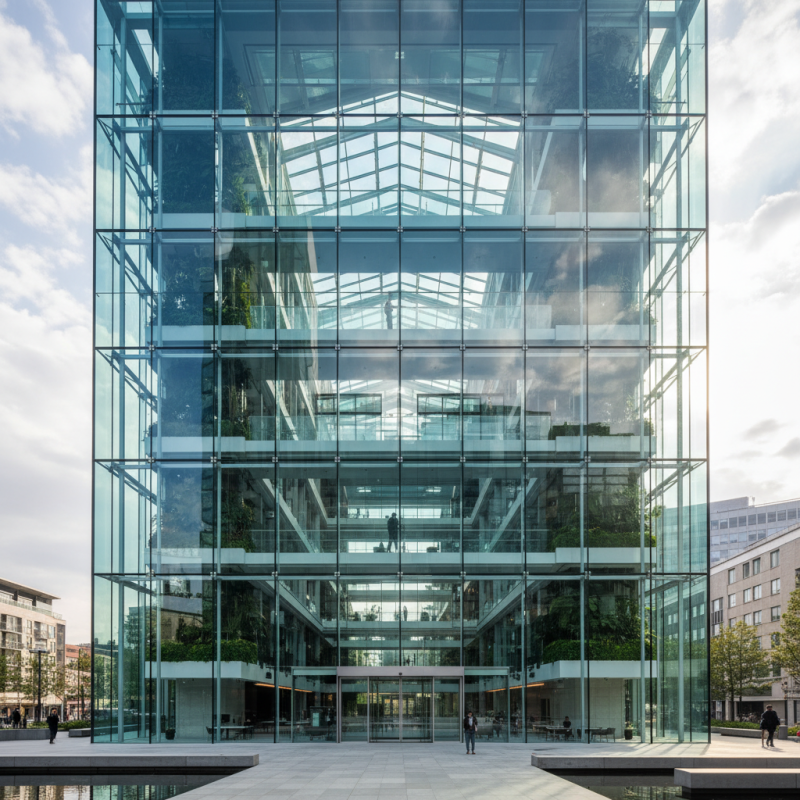
One popular use of architectural glass is in facades. Glass facades enhance building aesthetics while offering energy efficiency. They reduce the need for artificial lighting and maintain temperature control. Innovative designs have led to the creation of double-skin facades, which use layers of glass to improve insulation. These solutions not only look appealing; they also hint at the potential for sustainability.
Tips: When considering architectural glass, think about its thermal performance. Research different types. Not all glass serves the same purpose. Remember, using too much glass can lead to glare issues. Balance design with function. Always consider the environmental impact and energy efficiency of your choices.
Types of Architectural Glass: Characteristics and Performance Metrics
Architectural glass comes in various types, each with distinct characteristics and performance metrics. For instance, tempered glass is known for its strength and safety. When broken, it shatters into small, blunt pieces. Laminated glass, on the other hand, consists of layers that provide sound insulation and UV protection. It's common in skyscrapers and busy city buildings.
Additionally, low-emissivity (Low-E) glass helps improve energy efficiency. It reflects heat while allowing natural light to enter. This type of glass is essential in reducing heating and cooling costs. However, low-E coatings may alter color perception, which can be a concern for some designers.
Tips: Always consider the building's location. Weather can dictate the best glass choice. For areas prone to storms, stronger glass types are crucial. Be aware of potential glare issues in sunny settings. Choosing the right glass not only impacts aesthetics but functionality too. Reflections can sometimes distract rather than enhance the view.
What is Architectural Glass and Its Uses in Modern Design?
| Type of Architectural Glass |
Characteristics |
Performance Metrics |
Common Uses |
| Tempered Glass |
High strength, shatters into small pieces |
Impact resistance, thermal shock resistance |
Windows, doors, facades |
| Laminated Glass |
Two or more sheets bonded with interlayer |
Sound insulation, UV resistance |
Skylights, safety glass, acoustic applications |
| Insulated Glass |
Two or more panes separated by air space |
Low thermal conductivity, energy efficient |
Energy-efficient windows, façade systems |
| Reflective Glass |
Coated with a reflective film |
Glare reduction, solar heat gain control |
High-rise buildings, curtain walls |
| Low-Emissivity Glass (Low-E) |
Coated to reflect infrared energy |
Improved insulation, reduced energy costs |
Residential and commercial windows |
Applications of Architectural Glass in Commercial and Residential Properties
Architectural glass plays a crucial role in modern design. In both commercial and residential properties, its applications are numerous and diverse. A report from the Global Architectural Glass Market projected a consistent growth rate of 5.5% through 2025. This reflects the growing preference for glass as a key design element.
Commercial properties utilize architectural glass in different ways. Large storefronts feature expansive glass facades, promoting visibility while drawing in customers. Glass walls can create open, inviting spaces in offices. However, energy efficiency remains a concern, as glass can contribute to heat gain. This element often requires additional cooling systems, which can be costly.
In residential designs, architectural glass is equally impactful. Homeowners are increasingly favoring glass doors, skylights, and large windows to enhance natural light. Reports show that homes with ample natural light can reduce energy consumption by up to 20%. Yet, the cost of installation and maintenance can be high. Balancing aesthetics with practicality is an ongoing challenge in the industry. Adopting architectural glass is exciting, but it requires careful consideration.
Sustainability in Architectural Glass: Innovations and Environmental Impact
Sustainability has become a cornerstone in the architectural glass industry. Many designs aim to reduce environmental impacts. Innovative techniques are being explored to improve energy efficiency. For instance, low-emissivity coatings can reflect heat and improve insulation. This reduces reliance on artificial heating and cooling. However, these technologies often come with high initial costs.
Another approach is the incorporation of recycled materials. Using recycled glass in new construction conserves resources. It also minimizes waste in landfills. Yet, the quality and clarity of the recycled product can vary. This creates challenges in maintaining aesthetic standards in design.
Transparency in production processes is also important. Architects and designers must consider the entire lifecycle of materials. This includes sourcing, manufacturing, and disposal. Some designs that prioritize aesthetics may overlook sustainability. Therefore, ongoing education about environmental impacts is crucial for progress.
Sustainability in Architectural Glass: Innovations and Environmental Impact
Future Trends in Architectural Glass Design and Manufacturing Technologies
The architectural glass industry is rapidly evolving. Innovations in design and manufacturing technologies are reshaping this sector. For instance, according to a report by Research and Markets, the global architectural glass market is projected to reach $160 billion by 2026. This significant growth reflects the increasing demand for sustainable and aesthetic building materials.
One trend gaining momentum is smart glass. Companies are developing products that can adjust transparency based on environmental conditions. This technology offers energy savings and enhances user comfort. Moreover, a report by the International Energy Agency suggests that using smart windows can reduce energy consumption by up to 30% in commercial buildings. However, the high initial costs remain a challenge for widespread adoption.
Another notable trend is the use of recycled materials in glass production. As sustainability becomes a priority, many manufacturers are exploring eco-friendly options. The Global Recycling Foundation estimates that using recycled glass can save up to 90% energy during production. But this raises questions about quality and durability. Balancing eco-friendliness with performance is essential for future designs.


 Phone
Phone Send Email
 whatsapp
 Facebook